
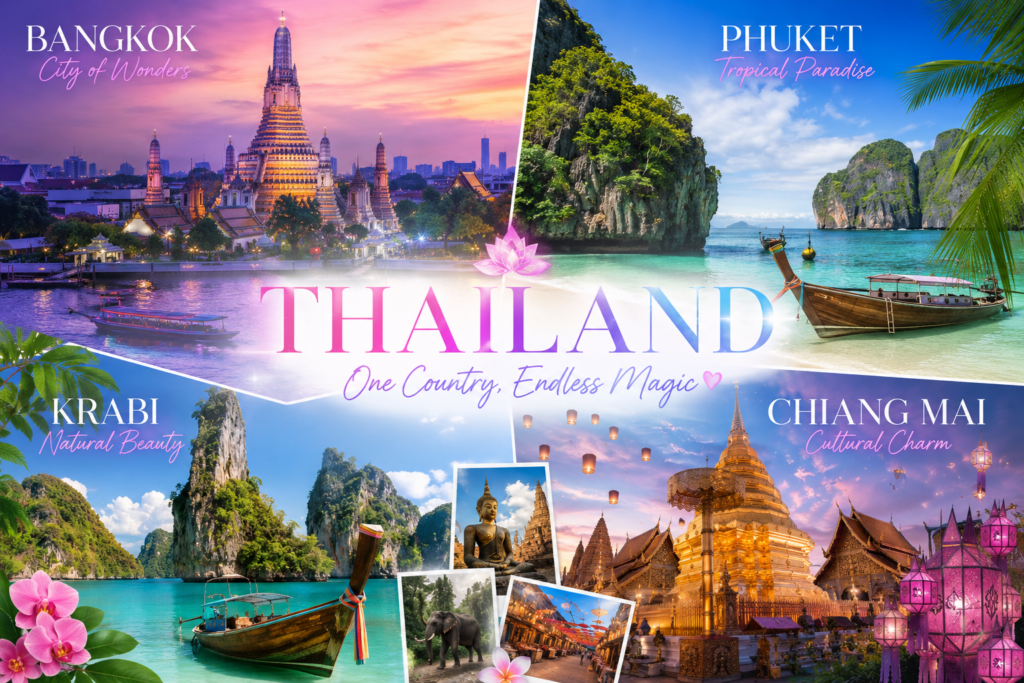
Thailand maintains its position as a primary hub for international tourism across Southeast Asia. The Tourism Authority of Thailand anticipates up to 34 million arrivals throughout 2026. This consistent volume stems directly from the country’s reliable infrastructure, high affordability, and diverse regional attractions. From the dense commercial districts of the capital to the isolated beaches of the Andaman Sea, the nation supports varying travel styles ranging from short-term luxury vacations to extended remote work setups.
Analyzing The Urban Landscape Of Bangkok
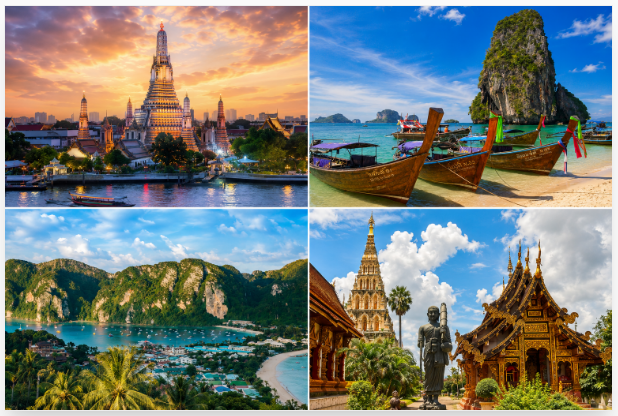
Most international itineraries begin at Suvarnabhumi Airport. Bangkok operates as the logistical and cultural center of the country. The city combines high-density modern development with historic temple complexes like Wat Arun and the Grand Palace. Transportation relies heavily on the BTS Skytrain and MRT subway networks, bypassing the severe street-level traffic congestion below.
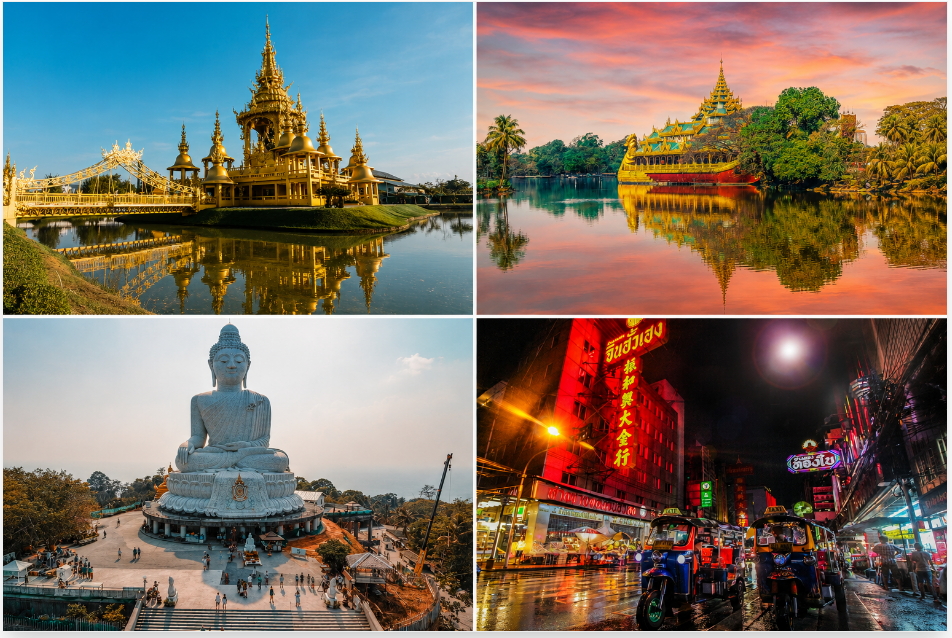
The local culinary economy is a major driver of urban tourism. Street food vendors line the major thoroughfares and night markets, offering immediate access to regional dishes at very low price points. Districts like Chinatown (Yaowarat) and the areas surrounding Sukhumvit provide a direct look into the daily rhythms of the city. The food scene is highly accessible to first-time visitors, offering an authentic cross-section of Thai daily life.
Coastal Tourism In Phuket And Krabi
Moving south from the capital, the geography shifts to limestone karsts and dense coastal rainforests. Phuket stands as the largest island and features a heavily developed tourism infrastructure. Visitors find a high concentration of international resorts, shopping centers, and organized excursion providers. This density makes it highly convenient for families or travelers seeking structured, predictable environments.
Krabi offers a slightly different regional model. Located on the mainland coast facing the Andaman Sea, the province serves as a transit point to smaller, less developed islands like Koh Lanta and the Phi Phi archipelago. The beaches around Ao Nang and Railay attract rock climbers and independent travelers. Transportation between these coastal nodes relies on a massive network of public ferries and private speedboats.
| Region | Primary Demographic | Key Geographic Features |
| Bangkok | Urban Explorers, Transit Passengers | Chao Phraya River, Dense Commercial Zones |
| Phuket | Resort Vacationers, Families | Large Bays, Mountainous Interior |
| Krabi | Island Hoppers, Outdoor Enthusiasts | Limestone Karsts, Mangrove Forests |
| Chiang Mai | Digital Nomads, Culture Seekers | Mountain Ranges, Historic Walled City |
Visa Strategies For Nomads And Long-Term Visitors
Thailand actively courts long-term visitors to stabilize its tourism revenue throughout the year. The government recently introduced new visa categories designed specifically to capture the remote work market. The Destination Thailand Visa allows digital nomads and freelancers to base themselves in the country for extended periods without the rigid requirements of traditional employment passes.
This regulatory shift makes the country highly attractive for independent professionals. The cost of living in secondary cities like Chiang Mai remains a fraction of Western equivalents. High-speed internet access is standard across all urban centers and major islands. Travelers organizing their international travel planning strategies frequently use Thailand as a central base to explore the rest of Southeast Asia. To review exact entry protocols and current duration limits before booking a flight, check the official resources provided by the Tourism Authority of Thailand. The local economy is fully equipped to support solo travelers, providing safe transit options and a vast network of English-speaking service providers.