
How Geopolitics Drain Airline Fuel Tanks
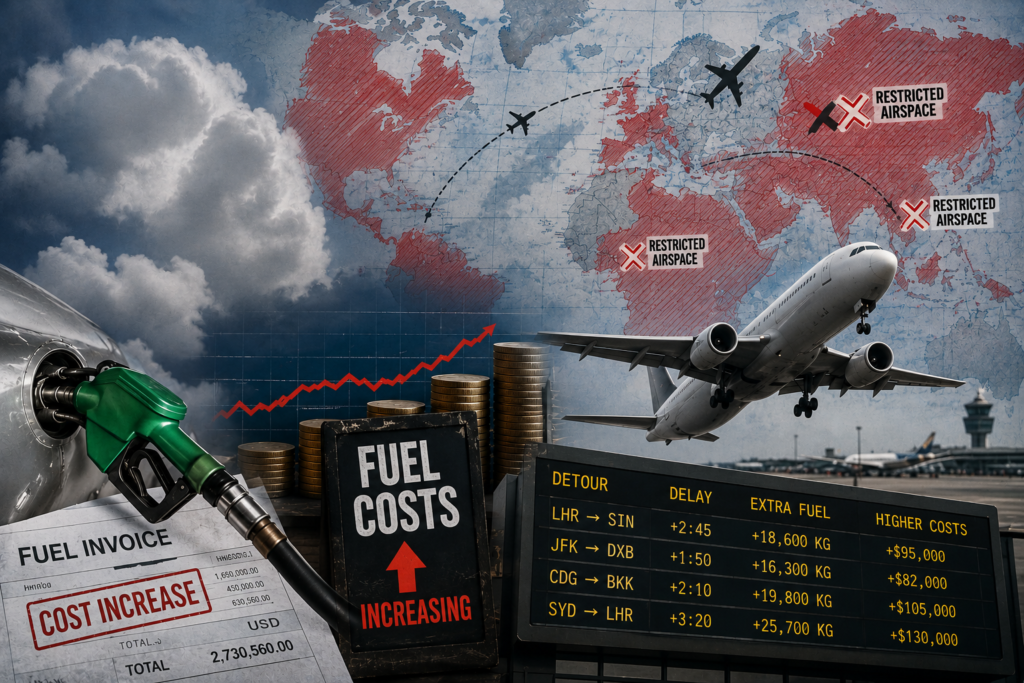
The global aviation industry faces a mounting financial crisis triggered by geopolitical instability. Airlines operating routes between Europe and Asia are avoiding Iranian territory entirely following the outbreak of the Iran war earlier this year. Rerouting commercial traffic north through the Caucasus and Turkiye, or south over Saudi Arabia, forces planes to fly significantly longer distances. This creates a severe logistical burden that translates directly into billions of dollars in excess operational expenses. +2
Data compiled by the aviation logistics firm i6 Group provides a clear view of the financial damage. It indicates carriers absorbed up to $3.9 billion in additional jet fuel expenses during the first sixty days of the conflict alone. The logistics firm reached these figures by analyzing fuel transactions across its managed airport networks and scaling the data to represent global market activity. The projections look far worse for the peak summer travel season. Industry analysts expect airlines to absorb up to $8.4 billion in extra fuel charges from May through August if current hostilities persist.
Fleet Inefficiencies And Rerouting Penalties
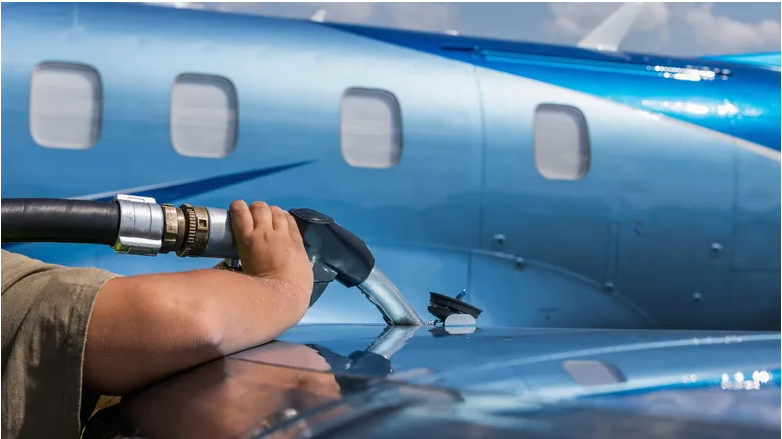
The extra distance flown over the Middle East penalizes specific aircraft types disproportionately. A recent internal analysis showed long-haul widebody jets registering a 2.5 percent average increase in fuel consumption on these detours. Single-aisle planes suffer a much heavier impact. The smaller fuel tanks on narrowbody aircraft require more frequent stops or heavier fuel loads relative to their size, resulting in a 9.3 percent spike in consumption.
Summer flight schedules compound this problem. Carriers operate at maximum frequency during these warmer months, loading planes to total capacity. Heavier aircraft burn fuel faster. This reality creates a compounding effect where longer routes and fully booked cabins drain fuel reserves at an unsustainable rate.
| Aircraft Class | Average Fuel Requirement Increase | Primary Affected Routes |
|---|---|---|
| Widebody (Long-haul) | 2.5% | Asia to Europe |
| Single-Aisle (Narrowbody) | 9.3% | Middle East Regional, Trans-Caucasus |
The Direct Hit To Passenger Wallets
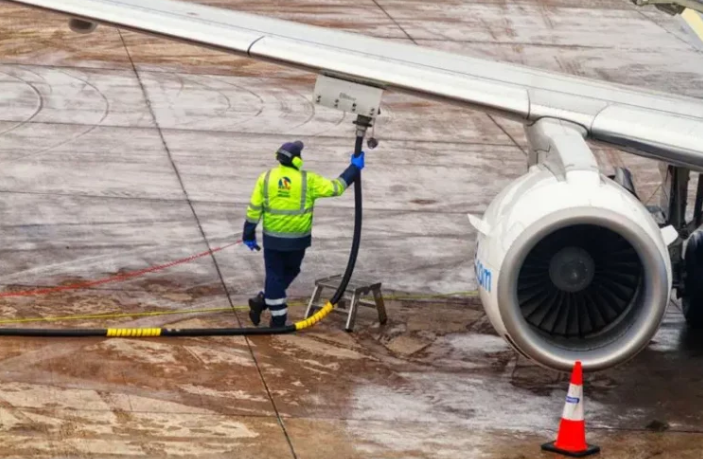
Airlines rarely absorb operational losses of this magnitude. They pass the burden down to the consumer through higher base fares and added surcharges. The U.S. Labor Department recently published Consumer Price Index data confirming airfares jumped 20.7 percent year over year in April alone. This marks the fourth consecutive month of price increases across the sector.
Carriers are adjusting their networks on a weekly basis, searching for any possible efficiency to offset the soaring price of crude oil and jet A-1 fuel. Travelers planning international trips must adjust their budgets accordingly. Reviewing our international flight booking strategies offers practical methods to locate competitive pricing amidst these industry-wide spikes. Until the airspace reopens, flying across the eastern hemisphere remains an expensive proposition for both the operator and the passenger.