

Ever look at a calendar and feel like you’ve actually done something? Welcome to my 365-day journey of growth in this community. It’s tracked with the detail of a forensic accountant and the drama of a Netflix show.
My journey started small but grew big, just like Arizona State University. They went from a “Territorial Normal School” to the most innovative university for 11 years. My growth chart shows similar progress, but with more late-night forum posts.
Imagine Benjamin Button’s reverse aging, but for professional growth. What started as shy lurking turned into deep engagement. Each step forward shows real progress, not just time passing.
This isn’t just looking back. It’s a study on building a digital community. It’s filled with cultural jokes and sharp insights. The timeline shows how we move from watching to participating, with all the ups and downs.
Month-by-month highlights
If my journey through this intellectual community were a Netflix series, January would be that awkward pilot episode. Everyone’s trying to figure out their characters. It’s like a middle school dance, where everyone stands against the walls, nervously checking their phones.
By February, the ice began to crack. I learned that thoughtful questions are more powerful than clever statements. Asking “What makes you say that?” can be more impactful than dropping knowledge bombs. It’s like discovering that listening is a superpower.
April brought my first meaningful contribution. It was like realizing you’re not a robot in those CAPTCHA tests. That moment when your comment sparks a conversation is priceless.
Summer months changed everything. June brought inside jokes and shared references, turning strangers into collaborators. July saw unexpected alliances, where people from different disciplines found common ground in their curiosity.
Then came August’s leadership experiment. I organized a discussion thread that was like herding opinionated cats. The result was messy but educational for everyone involved.
As fall arrived, the community’s rhythm became familiar. September through November saw deeper engagement. The superficial hot takes gave way to nuanced discussions. People started referencing each other’s points, showing they were actually listening.
December became the reflection period. Looking back, I realized the most valuable lessons were about becoming better at being wrong. Publicly eating humble pie is surprisingly nutritious for personal development.
| Month | Key Development | Community Impact | Personal Growth |
|---|---|---|---|
| January | Initial immersion | Observation phase | Learning community norms |
| April | First substantial contribution | Started building credibility | Overcoming participation anxiety |
| August | Leadership initiative | Facilitated group discussion | Project management skills |
| December | Annual reflection | Shared learning with newcomers | Integrated yearly experiences |
The timeline shows community growth is not linear but cumulative. Each month built upon the previous, creating layers of understanding. The awkward beginnings, failed experiments, and small victories all contributed to a sense of belonging.
This monthly progression mirrors larger cultural shifts. The same patterns appear in organizations, movements, and personal relationships. That first tentative step, testing boundaries, and eventually feeling comfortable with conflict – it’s the human experience in digital form.
Favorite Threads & Events
Let’s talk about digital milestones that really count. Not just the numbers, but the moments when digital connections feel real.
Do you remember that intense debate thread? It got more attention than a presidential tweet. Or how about that virtual happy hour with a dinosaur pajama photobomb? These were more than just posts – they were shared moments.
The Gary Sinise Foundation showed us something special in Nashville. They brought “joy, creativity, and connection” to people. Digital communities work the same way. When we start to experience things together, that’s when the magic happens.
Want to celebrate these milestones? The real magic is in creating experiences that honor our shared. It’s not just about anniversaries. It’s about the moments that stay with us.
In a world full of endless scrolling, what do we really remember? The threads that stick in our minds are the true digital milestones.
What changed thinking
Let’s talk about the moments when your brain actually rewires itself. You know those rare instances when you can almost feel the synaptic pathways rerouting? That’s what this community did for me – it became my personal cognitive upgrade service.
Sarah Bettencourt’s journey from military pilot to para-surfing champion perfectly illustrates this transformation. When your entire worldview gets flipped upside down, you don’t just adapt – you rebuild something stronger. My experience was less dramatic but equally profound.
I entered this community thinking I had things pretty figured out. Four years of liberal arts education had given me what I thought was a well-rounded perspective. Then came the assumption explosions.
Three paradigm shifts that permanently altered my mental operating system:
- The “Wait, I’ve Been Wrong About That For How Long?” moment – When a 22-year-old grad student dismantled my economic assumptions with three sentences
- The “Why Didn’t I See That Before?” revelation – How cultural context shapes everything from humor to conflict resolution
- The “Okay, My Entire Framework Needs Rebooting” realization – When multiple perspectives converged to show me a completely new approach
This wasn’t just adding knowledge to my existing mental database. This was installing new software that changed how I process information entirely. The community became my real-world epistemology lab.
My reflection practice evolved from occasional pondering to systematic cognitive auditing. I started questioning my own assumptions with the same rigor I’d previously reserved for debating others. The mental models I’d collected like trophies suddenly needed reevaluation.
The most valuable shift? Learning to sit comfortably with cognitive dissonance. Instead of immediately resolving contradictory ideas, I learned to let them marinate. Some of my best insights emerged from that uncomfortable space between conflicting perspectives.
This transformation didn’t happen through lectures or textbooks. It occurred through thousands of micro-interactions – the offhand comments, the heated debates, the surprising agreements between unlikely allies. It was cognitive cross-training at its finest.
If traditional education gives you a map of the world, this kind of community engagement gives you the ability to redraw the maps yourself. Sometimes you even get to question why we’re using maps in the first place.
Skills & Confidence Gains
Let’s talk about the real ROI of personal development – because adulting means actually measuring your growth. We’re not just talking fuzzy feelings here.
This journey delivered tangible skills you can bank. Nuanced communication became second nature. Strategic networking turned from awkward small talk to genuine connection building.
The confidence boost? That came from not being the smartest person in the virtual room. Suddenly, learning felt less like competition and more like collaboration.
We measure this personal growth with the precision of the Gary Sinise Foundation’s 89% efficiency metric. Because personal development deserves accountability too.
Think of it as a balance sheet for your brain. The dividends get paid in pure competence and dramatically reduced imposter syndrome.
Before/after snapshots
My digital journey started like a toddler’s first steps, but with roller skates on ice. The early days were awkward, like a middle school dance.
Think of the scene in every superhero origin story where they’re figuring out their powers. That was me. My early contributions were like setting things on fire while trying to light a candle.
The transformation started small. Like Arizona State’s growth from a small school to a leader in innovation, my online presence changed. My comments went from tentative to meaningful. I moved from being a silent observer to an active participant.
My before snapshot shows someone who just watched online communities. The after picture shows someone who interacts and makes a difference. The change wasn’t quick, but it was clear.
The growth showed in many ways:
- From short replies to detailed insights
- From just reading to creating content
- From being unsure to confident
This change is like when a vision becomes a reality. Arizona State’s big change in 1958 is a good example. My digital journey had similar moments.
The before/after contrast is about progress, not perfection. It’s about moving from watching to participating. The journey is ongoing, but looking back shows how far I’ve come.
Relationships That Stuck
Let’s talk about the digital miracle that actually works: friendships that go beyond the screen. You know the ones – where profile pictures turn into real people who remember your birthday and care about your bad days.

What makes these connections last? It’s not just being close or convenient. It’s about sharing a common goal – something bigger than both of you. The Gary Sinise Foundation got it right with their “community of loyal friends” idea.
These aren’t just Facebook friends who disappear when things get tough. They’re the ones who show up every month, year after year. They’re like that perfect playlist you never get tired of.
So, how do online bonds turn into real ones? Why do some relationships last while others fade away? Let’s dive into what makes digital connections stick – with both the warmth of experience and the coolness of a social psychologist.
Mentors, buddies, collaborators
Looking back, I see my growth was a team effort. Mentors shared wisdom without making me feel dumb. Collaborators turned my ideas into something useful. And buddies made online chats feel like coffee breaks.
My best mentors were like cool aunts. They told me the truth and gave me a drink. One finance expert broke down my bad investment ideas with precision, always ending with “Here’s why that’s wrong, and here’s how to fix it.”
The collaborators were the magic. When I was stuck, they’d say “What if we tried this?” Their ideas turned my projects into something great. It was like the Avengers coming together for content.
The buddies made the community feel like home. They’d send memes when I needed a laugh or check in with “Hey, you good?” These connections made the screen feel human.
| Role | What They Brought | Impact Level | Real-World Example |
|---|---|---|---|
| Mentors | Wisdom + patience | High | Finance pro who fixed my analysis |
| Collaborators | Skills + perspective | Medium-High | Designer who improved my visuals |
| Buddies | Support + humor | Medium | Memelord who kept morale high |
| Critical Friends | Truth bombs + reality checks | High | Editor who murdered my darlings |
The ecosystem worked because of its diversity. Like the Gary Sinise Foundation, it honored heroes from all walks of life. Tech geeks, philosophy nerds, and more each brought something unique. It was a symphony of different instruments.
These digital relationships led to real-world growth. Mentors became professional references. Collaborators became business partners. Buddies became friends I meet for drinks. Online communities are more than pixels; they’re people.
This group of humans showed me growth is never solo. It’s fueled by those who challenge and support us. They turned my solo journey into a group project where everyone contributed.
Obstacles Overcome
Every journey has its roadblocks. Mine felt like a sitcom where everything goes wrong. It was a mix of challenges.
First, I faced technical confusion. It was like my dad trying to program a VCR in 1995. Simple tasks turned into long, frustrating battles.
Next, I battled social anxiety. I’d spend 20 minutes on a two-sentence comment, then delete it. Digital communities brought out my performance pressure.
I was like Sharif Muzayen, facing many challenges at once. Technical and psychological barriers made it tough. It was a digital storm of growing pains.
But these obstacles weren’t setbacks. They were the friction for growth. Each problem solved made me more confident. Every awkward moment taught me to be real.
The struggle was the journey itself. And sometimes, I won despite trying to fail.
How support helped
Support systems in online communities are like emergency exits on airplanes. You hope you never need them, but they’re there when you do.
My early days in online communities felt like a digital disaster movie. The interfaces were confusing, the jargon was like another language, and I felt like the new kid at school.
Then, the support structures kicked in. Patient mentors answered my questions without making me feel stupid. The onboarding processes were designed to help, not overwhelm.
It reminded me of Sarah Bettencourt’s story. “Community and adaptive sports helped her reclaim her life.” My situation was less dire, but the impact was just as big.
The right help at the right time is magical:
- It turns frustration into curiosity
- It transforms isolation into connection
- It converts imposter syndrome into actual competence
Good support isn’t about holding hands. It’s about giving enough structure so people can find their way.
The mentors who helped me? They weren’t just answering questions. They were building resilience. The community guidelines that seemed strict at first? They were creating safe spaces for growth.
This transformation from struggle to strength doesn’t happen by accident. It needs intentional design – in platforms and people.
Think of it as digital adaptive sports. The tools and support systems adjust to help everyone participate, no matter where they start.
The result? I kept coming back instead of quitting. I found my place instead of feeling lost. And that’s how proper support turns community strugglers into active contributors.
What I’d Do Differently
Welcome to the fun of looking back and thinking, “That was a bad idea”?
It’s not about beating yourself up. It’s about being honest. Like Arizona State University’s journey, it’s about finding balance.
Where did I hide instead of joining in? The mistakes and missed chances are clear now.
Growth comes from both smart choices and mistakes. This reflection is about learning, not regret.
It’s not about what went wrong. It’s about what you’d do differently now. Let’s explore the lessons of hindsight together.
Tips for newcomers
If I could send my past self a care package of community wisdom, here’s what would be inside. Consider this your unofficial orientation packet – the stuff they don’t tell you in the welcome email.
First, lurk with purpose. Don’t just scroll mindlessly. Watch how conversations flow, notice who responds to what, and identify the unwritten rules. It’s like anthropological fieldwork, but with better coffee and worse memes.
Second, start small but start specific. Instead of trying to comment on everything, find one thread where you genuinely have something to add. Quality over quantity always wins. Your goal isn’t to be the loudest voice in the room, but the most thoughtful one.
Third, embrace the cringe. You will say something awkward. You will misread a tone. You’ll probably use an emoji in entirely the wrong context. Welcome to the club – we’ve all been there. The veterans who seem effortlessly cool? They made these mistakes years ago.
Fourth, find your why. Are you here to learn? To network? To find collaborators? Your purpose determines your strategy. Trying to be everything to everyone is the fastest way to become nothing to anyone.
Remember, communities aren’t museums – they’re living ecosystems. Like those educational trips where history becomes real through firsthand accounts, the real magic happens when you move from observer to participant. The cost of admission is vulnerability, but the returns are priceless.
Your niche will find you if you’re authentically engaged. The right people notice consistency, not perfection. Now go make some beautiful mistakes – I’ll be here cheering you on from the sidelines.
Giving Back Plan
So you’ve mastered the art of taking. Now, it’s time to learn how to give. This is the difference between being a tourist and becoming a leader in your community.
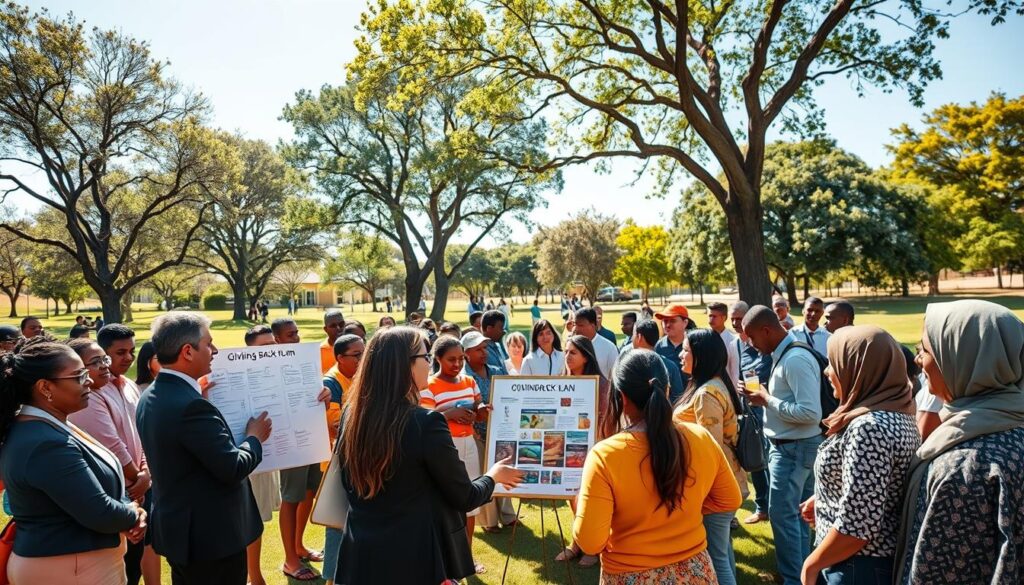
Think beyond just making transactions. We’re talking about creating a lasting legacy. Like the Gary Sinise Foundation, true contribution builds something that lasts long after you’re gone.
So, how do you do this? Start by mentoring newcomers. Create content that adds value, not just noise. And think about making community support a part of your long-term financial plans. It’s about moving from being a consumer to a caretaker.
Because communities grow when people give back as much as they take. Are you ready to make your mark?
Volunteering, content, meetups
Forget the superficial gestures – my approach to giving back involves actual work that might actually help someone. While I appreciate the sentiment behind foundation merchandise, I’m aiming for something more. It’s about creating real value, not just showing support.
My strategy has three main parts, each designed to make a real difference. It’s about moving from digital applause to actual contribution.
Organized volunteering is at the core – like bringing snacks to the PTA meeting, but with more substance. I plan to moderate discussions, mentor newcomers, and help organize virtual events. The goal is to create structured support systems, not just participate.
Content creation is the second pillar. After a year of learning, I’m ready to share my insights. I’ll write guides, create resources, and share analysis to help others.
The third part – real-world meetups – is the most ambitious. Digital relationships can turn into real ones. I’m looking to organize local gatherings for deeper connections.
| Contribution Type | Time Commitment | Expected Impact | Key Milestones |
|---|---|---|---|
| Volunteer Moderation | 5-10 hours weekly | Improved community engagement | First moderation session completed |
| Content Creation | 2-3 articles monthly | Resource library expansion | First guide published |
| Meetup Organization | Quarterly events | Stronger member connections | First successful gathering |
| Mentorship Program | Ongoing basis | Accelerated newcomer growth | First mentee milestone achieved |
Each effort is a measurable milestone in my community commitment. They’re not just tasks; they’re investments in the community that supported me. The table shows the specific goals I’m aiming for.
This isn’t about grand gestures or dramatic announcements. It’s about consistent effort, creating value quietly, and organizing events where people can have fun. Sometimes, the most meaningful support doesn’t come from wearing branded gear. It comes from building something lasting.
Next-Year Goals
Planning for Year Two feels like writing a story with big dreams. It’s like starting a superhero story before finding the radioactive spider.
But, sometimes crazy goals can come true. Sarah Bettencourt went from mobility loss to being a five-time Para Surfing World Champion. That’s not just talent – it’s resilience helped by community support.
So, what’s our goal? We want to take on roles that make corporate HR nervous. We’re building skills that might make our LinkedIn subscriptions worth it.
Year Two is about setting big, bold targets. It’s about making goals that seem crazy today but become normal tomorrow. Through this beautifully irrational community, we’re planning for growth and transformation.
Personal roadmap
Spontaneous personal growth is like hoping Netflix will suddenly suggest educational shows. Here’s a real plan for growth – because planning is key to adulting. It’s about making a plan instead of waiting for it to happen by chance.
This roadmap breaks down big goals into smaller steps. It includes ways to measure success and flexibility for when things don’t go as planned. It’s all about making a plan that meets and shapes the future.
Q1 Foundation Building is about learning new skills and making new connections. The goal is to finish two certification courses and find three mentors. Success is measured by a 15% boost in skills.
Q2 Implementation Phase is about using new skills in real life. The aim is to lead a big project and write two analytical pieces. Success is shown by finishing the project on time and a 25% increase in audience engagement.
Q3 Expansion Period is about growing what works and trying new things. The goal is to create workshop content and host a virtual event. Success is measured by 50+ participants and an 80% satisfaction rate.
Q4 Reflection & Adjustment is for looking back and making changes. The goal is to review all progress and plan for 2025. Success is shown by revised goals that are 10% more ambitious.
This timeline is flexible, which is important because life can be unpredictable. It has special times for checking in and making changes. This isn’t just planning – it’s creating a future that actually happens.
The metrics keep things accountable, and the flexibility is realistic. The quarterly structure makes adulting stylish and manageable.
Gratitude Wall
Let’s be real for a moment. Nobody builds anything meaningful alone. Not even Gary Sinise went from Lieutenant Dan to veteran advocate without recognizing the power of collective support.
This digital space we’ve built together? It’s not just algorithms and analytics. It’s people. Smart, challenging, occasionally infuriatingly brilliant people who’ve made this journey worthwhile.
I’m talking about the folks in our community who’ve offered guidance when I was lost in data. The ones who called out my assumptions with the precision of a cultural critic reviewing a bad movie.
Gratitude isn’t just some fluffy concept. It’s the secret sauce that keeps community ecosystems healthy. It’s what transforms a collection of individuals into something that actually matters.
So here’s to those who’ve made this growth story human. Your insights haven’t just been helpful – they’ve been essential.
Shout-outs and photos
Let’s get specific with gratitude – because ‘thanks everyone’ is about as meaningful as a participation trophy. Real recognition needs names, stories, and moments where digital connections became genuine friendships.
Gary’s notes about patriotic stories weren’t just content – they were conversation starters. They showed how deeply people care about this country’s fabric. His updates made strangers become allies, then friends.
Then there’s Maria, who organized the virtual meetup. It felt more real than my actual Zoom meetings. She turned pixels into handshakes and emojis into inside jokes.
And let’s not forget David, whose analytical breakdowns of current events were sharp. He didn’t just comment – he educated.
These aren’t abstract connections. They’re the specific humans who turned this platform into a community. They made comments into friendships that go beyond the screen.
Your Member Anniversary Awaits
After a year in this community, I’ve learned something interesting. The best way to get value is to give it first. My member anniversary isn’t just a milestone—it’s like interest on social capital I didn’t know I was investing.
Think of it like the Gary Sinise Foundation’s matched donations but for your mind. Every comment, every shared insight, every moment of support gets doubled by the community’s response. Your engagement compounds faster than you’d expect.
This isn’t just a theory. My member anniversary showed that showing up consistently actually works. The relationships, the skills, the expanded perspective—they’re all returns on a simple investment of participation.
Your turn. Join the conversation. Your next member anniversary is waiting to surprise you with dividends you can’t yet imagine. The limited time offer? Your attention right now, matched by whatever this community can give back.
What are you waiting for? The heroes here aren’t waiting to be celebrated—they’re too busy building something worth celebrating.