

Let’s be honest – nobody schedules a meltdown. But everyone should have a plan for when life gets tough.
This isn’t your typical dry manual. It’s like your Swiss Army knife for modern emergencies. We’re talking about real support systems that work when things go wrong.
The numbers don’t lie, even when we wish they would. We’re covering everything from suicide prevention to substance use support. We’re mapping the entire emergency ecosystem.
When it matters most, there’s help. You’re not alone in this. We’re here to connect you to the right resources based on your specific situation.
Think of this as your cultural survival guide. It comes with dark humor, reminding us we’re all just one bad day away from needing these numbers.
Types of Crises Covered
America’s emergency landscape is like a broken mosaic. Each piece shows a different kind of suffering. We’ve divided our emergencies into special areas. This is because not all crises need the same crisis response.
Suicide prevention is like the 911 for the soul. The 988 Lifeline is more than just a number. It shows we understand that sometimes, the biggest help isn’t physical but about existing.
Warning signs for suicide can look like normal behaviors. These include pulling away from friends, sudden happiness, and giving away important things.
Substance use support is a complex issue in America. We see addiction as both a health problem and a moral issue. This creates a strange mix of views. The number 1-855-780-5955 connects you to experts who know that this crisis can look different in many ways.
Domestic violence is a big problem that happens behind closed doors. The National Domestic Violence Hotline (1-800-799-SAFE) helps with what many people don’t talk about. Signs include controlling behavior, being isolated, and making others feel uneasy.
Youth and teen support is special because crises look different at this age. Teenagers face their own mix of drama and real emergencies. Services for them understand that they need a different approach than adults.
Military and veterans support is its own area. This group faces unique challenges like reintegration trauma and loneliness. Their crisis response is designed to meet these special needs.
| Crisis Type | Hotline Number | Primary Warning Signs | Cultural Context |
|---|---|---|---|
| Suicide Prevention | 988 Lifeline | Withdrawal, mood shifts, giving away possessions | The existential emergency |
| Substance Use | 1-855-780-5955 | Behavior changes, financial issues, neglect of responsibilities | Medical condition treated as moral failing |
| Domestic Violence | 1-800-799-SAFE | Controlling behavior, isolation, unexplained injuries | The quiet epidemic behind closed doors |
| Youth/Teen Support | Varies by organization | Academic decline, social withdrawal, behavioral changes | Developmental crisis with unique expressions |
| Military/Veterans | Multiple specialized lines | Reintegration struggles, isolation, substance use | Service-specific psychological trauma |
What’s interesting is how we’ve sorted crises into different areas. Each one comes with its own cultural issues and urgent support systems. We’ve made a system where different kinds of suffering get different kinds of help.
The table above shows how America shows empathy. It shows how some crises get their own hotlines, while others share. Our emergency systems show our cultural values through numbers.
When you hear about a crisis, think about which category it fits into. And wonder why we need categories for human suffering at all.
Who to Contact in an Emergency
When crisis hits, who do we turn to? Not Ghostbusters, sadly. We face real emergencies needing special help. America’s emergency system has grown into a network of hotlines for different crises.
It’s like a mental health 911, but with better-trained people. These numbers aim to fix our social safety net.
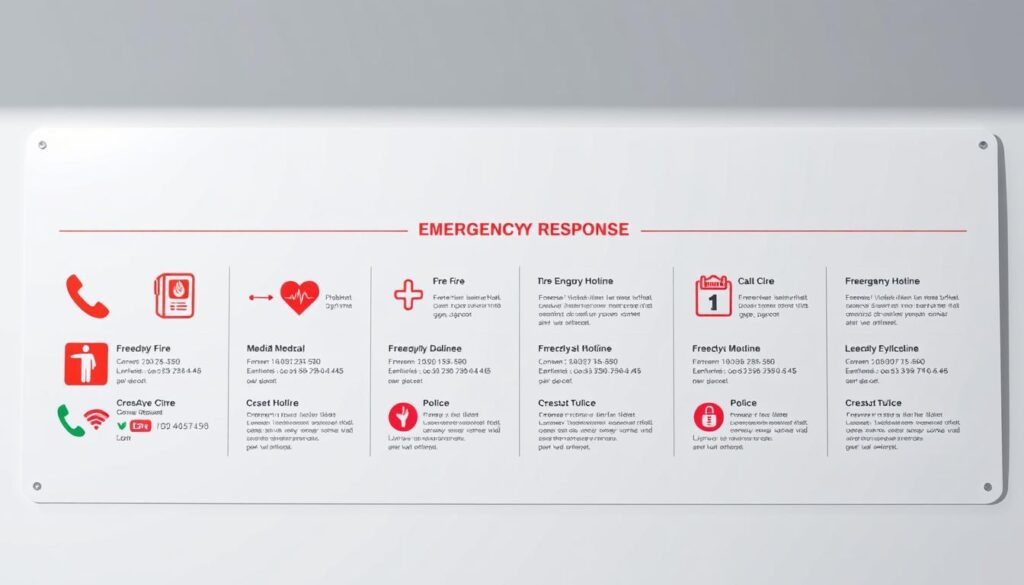
The 988 Suicide & Crisis Lifeline is like a mental health first responder. It’s not just a number; it’s a sign of our growing awareness of mental health. Counselors offer quick emergency help when things get tough.
For substance use, 1-800-662-HELP is there. It helps with addiction and finding treatment. It’s a tough conversation America is trying to have.
The National Domestic Violence Hotline (1-800-799-SAFE) helps in violent situations. They offer safety plans and urgent support.
Veterans have their own hotline: 1-800-273-8255 (press 1). It shows we understand military trauma needs special care. The idea of “Someone to Contact” through hotlines is our best crisis response.
| Crisis Type | Hotline Number | Response Time | Specialization |
|---|---|---|---|
| Suicide Prevention | 988 | Immediate | Mental Health First Response |
| Substance Use | 1-800-662-HELP | 24/7 | Addiction Crisis Management |
| Domestic Violence | 1-800-799-SAFE | Immediate | Safety Planning & Shelter |
| Veteran Crisis | 1-800-273-8255 (press 1) | 24/7 | Military Trauma Specialists |
Each hotline offers a unique way to get emergency help. Some act fast, others focus on long-term help. Their special focus means you get the right help, not just anyone.
Remembering these numbers might seem gloomy, but it’s like knowing first aid. When someone needs urgent support, knowing these numbers can be a lifesaver.
Internal vs External Emergency Contacts
Choosing between internal and external emergency contacts is like picking between your favorite coffee shop and Starbucks. Both offer caffeine, but the experience is different. Your crisis response strategy needs both, but knowing when to use each is key.
Internal contacts are your personal crisis team. They’re like your emotional first responders. Think of them as the therapist who knows your past, the friend who’s seen you cry, or the family member who won’t judge your late-night texts.
These relationships are your “crisis plan,” as NAMI calls it. It’s the support network you’ve built with care, like a museum curator selects art.
External contacts are the professional emergency help system. This includes mobile crisis teams, emergency departments, and sometimes law enforcement. It’s like a well-oiled machine, but sometimes it feels old.
Here’s the key difference:
- Internal contacts offer emotional support and understanding
- External contacts provide professional help and resources
- Internal networks offer quick, personal crisis response
- External systems offer structured, clinical emergency help
Knowing when to call each is important. For a panic attack, call your internal team. For suicidal thoughts, call for external help.
Your internal team gets you without needing details. They’re the friends who know your triggers. The external team has professional tools and authority. They can do things your friends can’t.
Creating a dual-system approach means recognizing that sometimes, love and friendship aren’t enough. Sometimes, you need professional emergency help and your personal network’s context.
The best crisis response strategies combine both systems. Personal relationships add depth, while professional services solve the problem.
Building Your Emergency Action Plan
Most of us have better plans for vacations than for emergencies. We spend hours finding the perfect Airbnb but barely a minute on crisis plans. Your emergency plan is like a disaster preparedness kit, hidden among your tax papers and old takeout menus.
The crisis preparedness form is like your emergency biography. It’s your personal Wikipedia page for when you can’t speak for yourself. It’s what paramedics or crisis responders should read.

The wallet card is key, more important than that old condom. It has your emergency contacts, medications, and vital info. It’s your VIP pass to getting urgent support when you need it most.
NAMI’s Portable Treatment Record is like having your medical history in one page. It’s a complete health summary for any healthcare provider during a crisis. It’s like having all your health info at your fingertips.
Your crisis plan should be personal and detailed. It’s not a generic template. It’s about knowing your warning signs, preferred help, and even which Netflix shows are good during tough times.
The relapse prevention plan is very detailed. It’s more detailed than your vacation plans because mental health emergencies happen more often. It outlines triggers, coping strategies, and what to do when things go wrong.
| Plan Component | Purpose | When to Use | Key Information |
|---|---|---|---|
| Crisis Preparedness Form | Quick personal overview | During mental health emergencies | Medications, allergies, key contacts |
| Wallet Card | Immediate access to critical info | Any emergency situation | Emergency contacts, basic medical info |
| Personalized Crisis Plan | Detailed intervention strategy | When warning signs appear | Triggers, coping mechanisms, support network |
| Relapse Prevention Plan | Long-term management tool | Ongoing maintenance | Early signs, prevention strategies, resources |
Creating these plans might feel like preparing for the end of the world. But, having a solid plan actually reduces the need for it. It’s empowering to face crises with a plan ready.
The best crisis response is one you’ve planned for. These documents are about taking control, not expecting the worst. They’re like a mental health project, full of dark humor and cultural references.
So, build your emergency plan with strategy and humor. Your future self will thank you when they’re facing a crisis with a solid plan, not just hope.
Real-Life Crisis Responses
Imagine a SWAT team arriving at 2 AM for your loved one. This is crisis response, where everyone is trying to catch each other without a net.
Mobile crisis teams are like mental health first responders. They arrive when things get tough. These teams use their skills to assess situations carefully and with compassion.
De-escalation strategies are like verbal jujitsu in these moments. It’s about creating space for breathing, not winning arguments. The National Alliance on Mental Illness teaches techniques that reduce tension.
Treatment during crises is fast-paced, like a bureaucratic ballet. Families help by sharing information about symptoms and medications. This is while their world feels turned upside down.
Family involvement becomes key during crisis interventions. You become both advocate and historian, helping professionals understand your loved one’s story quickly.
| Crisis Scenario | Typical Response | Mobile Crisis Role | Family Involvement |
|---|---|---|---|
| Severe Anxiety Attack | Grounding techniques | Assessment & referral | Provide history & support |
| Psychotic Episode | Medication evaluation | Emergency assessment | Safety information |
| Suicidal Ideation | Safety planning | Hospital coordination | Ongoing monitoring |
| Substance Crisis | Detox assessment | Medical coordination | Pattern recognition |
The reality of urgent support is about stabilization, not perfection. Mobile crisis teams don’t fix everything in one visit. They give breathing room for long-term solutions.
What makes these interventions work? It’s a mix of science, art, and humanity. The best responders combine clinical skills with genuine connection, making moments of safety in the storm.
Remember, crisis response isn’t about having all the answers. It’s about having the right resources at the right time. That’s when emergency help turns panic into possibility.
FAQs
Ever wondered about crisis response questions everyone’s too afraid to ask? We’ve got you covered. Think of us as your personal guides for emergency situations.
We’ll answer your questions with the detail of a forensic accountant and the humor of a crisis management expert. It’s like reading a dark comedy about crisis situations.
What are the actual warning signs of a mental health crisis?
It’s not just about dramatic scenes in movies. Real signs are more subtle. Look for changes that make you and your friends notice.
Common signs include:
- Sleep patterns changing more than a politician’s stance
- Changes in appetite that aren’t just “trying a new diet”
- Social withdrawal that makes hermits look sociable
- Performance drops at work or school that can’t be blamed on Netflix
- Uncharacteristic anger or irritability that would surprise your own mother
How confidential is your crisis response really?
We’ve read privacy policies with a skeptical eye. The short answer? More confidential than your search history.
Legitimate emergency help services keep your secrets. They operate under strict confidentiality agreements. Exceptions only exist for immediate danger to self or others. Even then, they’ll tell you what they’re sharing and with whom.
What’s the actual availability of these services?
Unlike your therapist’s next appointment, crisis response services are always ready. They have real humans answering phones at 3 AM when you need them most.
Here’s a table showing service availability:
| Service Type | Typical Response Time | Availability Window | Best For |
|---|---|---|---|
| Hotline Services | Immediate to 5 minutes | 24/7/365 | Urgent emotional support |
| Text-Based Support | Under 2 minutes | 24/7 with brief pauses | Discrete help seeking |
| Mobile Crisis Teams | 30-90 minutes | Varies by location | In-person intervention |
| Online Chat Services | Under 1 minute | Most hours, some 24/7 | Quick anonymous help |
How can caregivers recognize when someone needs emergency help?
Caregivers often spot changes before the person does. It’s like noticing your friend’s new haircut before they mention it. But with higher stakes.
Key tips for caregivers include:
- Document changes like a detective building a case (patterns matter)
- Note medication adherence without becoming a narc
- Observe social engagement levels compared to baseline
- Watch for personal hygiene changes that aren’t just “lazy Sunday” behavior
Should I share my crisis experience with others?
Sharing your story is like bringing a dish to a potluck. It affects everyone. The right sharing helps; too much oversharing creates drama.
Smart sharing means:
- Choosing audiences who actually get it (not your judgy aunt)
- Setting boundaries clearer than museum ropes
- Knowing when professional emergency help beats peer support
- Recognizing that some stories help others while protecting your privacy
Remember, the best crisis response meets you where you are without judgment. These services have heard it all. Your story won’t shock them, but getting help might surprise you with how effective it can be.
Conclusion: Prepared & Supported
Emergency preparedness isn’t about being paranoid or preparing for the worst. It’s about being ready for anything, knowing chaos can strike without warning. Having the right contacts for urgent support helps turn fear into action.
The key to a good crisis response is being prepared ahead of time. It’s understanding that emergency systems are something we’ve all worked on together. They’re not perfect, but they’re always getting better. This knowledge helps you deal with emergencies more effectively.
True support means knowing you’re not alone when things get tough. It’s about being strong on your own and knowing where to find help. The best crisis response is the one you never have to use, but are thankful for when you do.
Preparation and support go hand in hand. They turn smart thinking into real survival skills. In the end, we’re all trying to face the unknown without losing our nerve.