
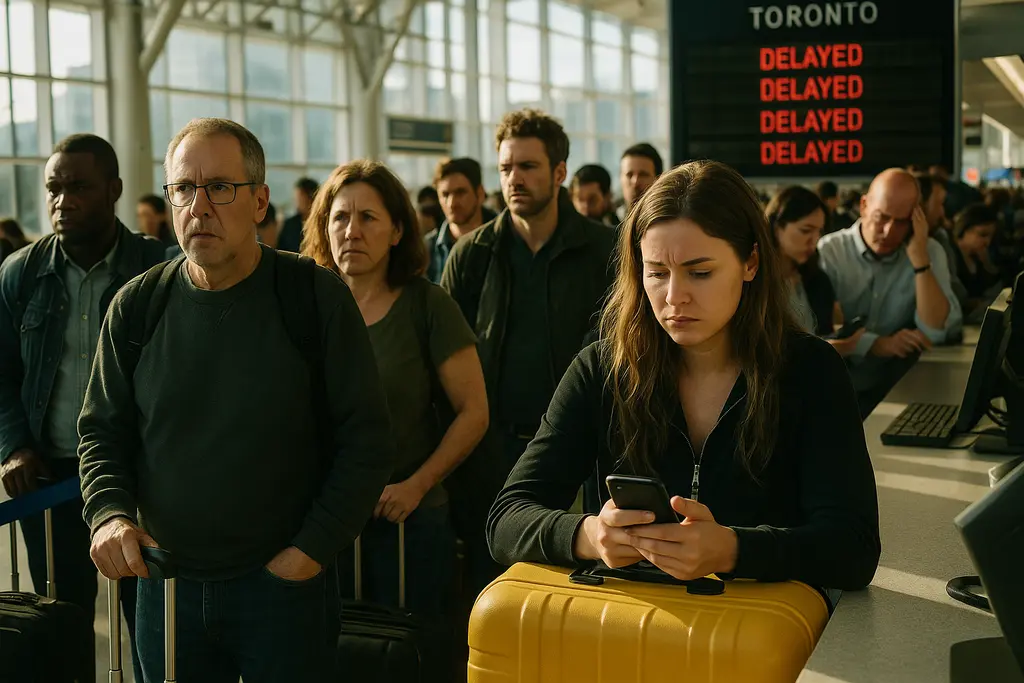
The Canadian travel decline has moved from a summer concern into a fall planning issue for U.S. destinations, airlines, hotels, and travelers who depend on cross-border demand. The available research points to fewer Canadian leisure trips, weaker air demand, lower land-crossing activity, and pressure on places that traditionally receive short stays from Canada. For fall travelers, the practical question is not only whether crowds will be lighter. It is also whether flight schedules, hotel pricing, attraction hours, and border-town services may adjust to a smaller visitor base.
Why The Canadian Travel Decline Matters This Fall
Fall is usually a softer travel period than peak summer in many U.S. destinations, which makes any loss of inbound visitors more noticeable for businesses that rely on consistent shoulder-season demand. Research supplied for this brief indicates that Canadian resident return trips from the U.S. were down 25.4% in 2025 compared with 2024, with a continued contraction of about 23% in early 2026. Those figures suggest that the shift is not limited to one vacation month or one destination type.
Canadian Travel Decline In The Data
The most directly sourced aviation signal is the reported drop in Canada-to-U.S. air travel. Forbes reported that Canadian visits to the United States had fallen for a 13th consecutive month and that air travel from Canada to the U.S. declined 18% year over year in February 2026, according to a Forbes report. That matters for travelers because airlines respond to demand through aircraft size, frequency, seasonal route decisions, and fare availability. A route that looked convenient last year may not have the same timetable this fall.
Land crossings also matter because many Canadian trips to the U.S. are short, discretionary visits by car. The research notes identify a 20.3% decline in land crossings, which points to fewer weekend retail trips, lower spontaneous hotel demand, and reduced traffic in U.S. communities close to the border. For travelers driving south from Canada, this could mean less crowding in some corridors, but it can also mean that smaller businesses adjust hours when demand weakens.
Why Fall Timing Changes The Risk
Travelers should treat fall as a period of operational adjustment rather than a simple discount season. The Associated Press reported that experts warned a broader downturn in international travel to the U.S. may last beyond summer, according to the AP travel report. That caution is relevant because hotels, attractions, and transport operators often set fall staffing and schedules based on expected demand after summer numbers become clearer.
For travelers, the Canadian travel decline may produce mixed outcomes. Some hotels in affected markets may use promotions to fill rooms. Other businesses may reduce midweek service, limit late-night hours, or pause seasonal offerings if fewer visitors arrive. None of those changes should be assumed across the country. They are most likely to matter in markets with a clear reliance on Canadian leisure travel, especially places that receive either short road trips or direct flights from Canadian cities.
Where Travelers May Notice The Shift
The research notes identify major U.S. destinations including Orlando, Miami, New York, Las Vegas, and San Francisco as places that saw steep reductions in Canadian visitors. Those cities have large tourism bases, so a Canadian decline does not mean empty hotels or quiet attractions. It does mean planners should pay attention to route availability, package pricing, and season-specific offers, because Canadian demand is one of several demand streams that can influence inventory and pricing.
Border Corridors And Short Breaks
Border communities are likely to feel the change differently from large gateway cities. A city built around quick shopping trips, one-night stays, fuel stops, or cross-border dining depends on repeat visits that are easier to cancel than a long-haul vacation. The research notes point to reduced retail sales and hotel occupancy in some border cities and towns. For Canadian drivers, that creates two practical checks: confirm hotel front-desk hours if arriving late, and verify restaurant or attraction hours directly before setting out.
Road-trip planning also needs a fresh look. For travelers interested in comprehensive scenic drive planning, there’s an informative resource available on scenic routes and road trip ideas. A route that relied on frequent border-area stops may still work, but travelers should check fuel, parking, and overnight options before assuming services are unchanged.
Air Routes And City Breaks
Air travelers face a different set of checks. The research notes say airlines responded to changing travel patterns, including more Canada-to-Mexico capacity by Air Canada and a summer 2026 suspension of U.S. flights by Air Transat. Travelers should not treat past route maps as current proof of service. Before booking a nonrefundable hotel, confirm that the exact flight is operating on the date needed, not only that the airline has served the route before.
The Canadian travel decline may also change the value of connecting versus nonstop flights. If nonstop frequencies are reduced, a connection may become cheaper but more exposed to delay risk. Fall weather can affect both northern and southern airports, and a tight connection leaves less room for schedule disruption. A cautious booking strategy is to keep the first and last day of a trip light, especially for travelers attending a cruise departure, conference, wedding, or timed outdoor activity.
Booking Checks Before A U.S. Fall Trip

The practical approach is to verify the pieces of a trip in the order that carries the highest penalty for change. Flights usually come first, followed by lodging, then prepaid activities. If the trip depends on a specific border crossing, airport, event, or seasonal attraction, confirm that detail directly with the operator or agency before paying for the rest of the trip.
Airfare, Schedules, And Refund Rules
Travelers should compare fare classes, not just headline prices. A lower fare with strict change rules may be poor value if the route is being adjusted. Read the cancellation language, check whether credits are limited to one airline, and avoid assuming that a schedule change will automatically create a convenient alternative. If two flights are required, leave a wider connection window than usual or consider an overnight connection when the trip has a fixed start time.
- Check the airline site after booking to confirm the reservation still shows the same departure time.
- Review hotel cancellation deadlines in the property time zone, not your home time zone.
- Call small attractions or seasonal operators when hours matter to the trip.
- For road trips, confirm parking, fuel, and late-arrival procedures at overnight stops.
Hotels, Attractions, And Local Transport
Hotels in affected markets may react in different ways. Some may discount unsold rooms, while others may reduce staffing, restaurant service, or shuttle frequency during slower periods. Travelers should read recent property notices and ask specific questions rather than relying on old reviews. If an airport shuttle, breakfast, pool, or late check-in desk is essential, verify it in writing through the hotel or booking platform.
Attractions also deserve closer review. Fall schedules often differ from summer schedules even without a tourism slowdown. A weaker inbound market can make seasonal changes more likely, but the exact effect varies by operator. Timed-entry reservations, tour minimums, weekday closures, and reduced evening hours are the items most worth checking before payment.
Fall Outlook For U.S. Tourism And Canadian Visitors
The Canadian travel decline is best understood as a planning variable, not a reason to cancel a trip by itself. The available research supports a real reduction in Canadian travel to the U.S., including lower air demand and weaker short cross-border trip activity. It also supports caution that the broader international downturn may extend beyond summer. What it does not support is a single national prediction for every hotel, airport, or destination this fall.
For travelers, the strongest response is verification. Confirm flights after purchase, choose lodging with workable cancellation terms, check seasonal hours close to departure, and treat border-town services as changeable until confirmed. For U.S. destinations, the fall period may require closer attention to Canadian demand, especially in road-accessible markets and cities with direct Canadian air service. The travelers who plan with current information will be better positioned to find value while avoiding trip details that no longer match the season.