
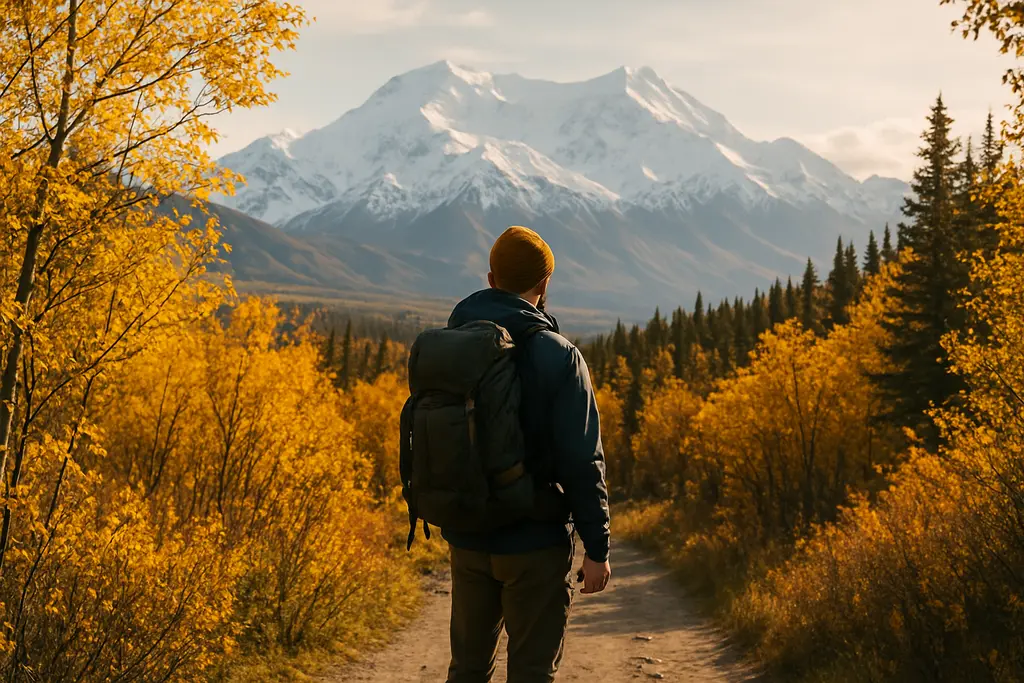
Denali Restricted Access is not a minor footnote for travelers planning an Alaska trip in October 2026. It affects how far private vehicles can drive, where backcountry permits are issued, which campgrounds remain available, and how quickly a plan can change after snow, ice, or a short wildlife closure. As of October 5, 2026, the key planning point is that access is seasonal, conditional, and tied closely to official daily conditions rather than fixed vacation expectations.
How Denali Restricted Access Works In Fall 2026
Denali Restricted Access And The Mile 30 Limit
The Denali Park Road opened to private vehicles as far as the Teklanika Rest Area at mile 30 on Friday, September 18, 2026, weather permitting. That fall access was expected to continue through October 15, 2026, or until snow or ice forced closure at Park Headquarters at mile 3.4. The practical effect is clear: a traveler entering the park on October 5, 2026, should not assume the road will remain open to mile 30 through the end of a trip. The National Park Service states that conditions and temporary closures can change, including wildlife closures that may last less than 24 hours and may not appear on online maps, so checking the official Denali current conditions page and confirming details at the visitor center is a basic step, not an optional extra.
For practical planning, Denali Restricted Access should be treated as a moving boundary. A mile marker that is reachable at the start of a trip may not be reachable after a storm. That matters for scenic driving, day hikes, photography stops, and backcountry staging. Travelers who build a plan around the Teklanika Rest Area should also have a shorter plan based on Park Headquarters or Savage River. This is especially relevant for visitors arriving from outside Alaska, since a flight, rental car, and lodging sequence may be hard to alter once weather closes the road.
What The Road Limit Means For A Visit
Denali is often planned as a road-based park experience, but the park road does not function like an all-season public highway. The fall opening to mile 30 gives private vehicles more reach than the main summer private-vehicle limit, but it is still not open-ended access. Drivers should carry enough flexibility to turn around earlier than planned and should avoid making a single viewpoint or trailhead the entire reason for the trip. If the route closes at Park Headquarters, the experience changes from a longer interior drive to a much shorter visit near the entrance area.
While exploring various Alaska travel options, travelers might find additional valuable perspectives on the subject through a related aviation reference in the same network. For instance, Vision Airlines offers insights that could be beneficial for a more comprehensive trip research approach, though Denali road access itself is managed by the National Park Service and should be verified through official park channels prior to traveling.
Road, Bus, And Campground Timing
Summer Bus Access Had Already Ended
During the busy summer season, generally mid-May through mid-September, private vehicles were mostly restricted to the first 15 miles of the Park Road, ending at Savage River. In 2026, transit buses operated westward from Savage River beginning May 20 and ran through mid-September. By October 5, 2026, that bus-based summer access period had already passed. That timing is central for visitors who are reading older summer trip reports or trying to duplicate a bus itinerary after the bus season has ended.
The difference between summer and fall access can be confusing because fall may allow private vehicles farther west under limited conditions, while summer relies on buses beyond Savage River. This does not mean fall is always easier. Fall access depends heavily on weather, and visitor services wind down. A traveler who wants the greatest distance into the park by vehicle in early October may have a chance to reach Teklanika, but not a guarantee. A traveler who wants staffed facilities and bus access would have needed to plan within the 2026 summer operating window.
Campground Closures Narrow Overnight Options
Campground timing also changed before October 5, 2026. In 2026, Sanctuary and Igloo Campgrounds had their final night for bus access on September 16. Teklanika closed September 17, and Savage River closed September 20. Denali Restricted Access also changes campground planning because a site that appears logical on a map may no longer be available by the time a fall trip begins.
| Planning Item | 2026 Timing Or Rule | Trip Effect |
|---|---|---|
| Private vehicle fall access | Opened to Teklanika Rest Area, mile 30, on September 18 | Available only weather permitting |
| Expected fall road window | Through October 15, or until snow or ice closure at mile 3.4 | October plans need a shorter backup route |
| Summer bus season | May 20 through mid-September in 2026 | Already ended by October 5 |
| Selected campground wind-down | Sanctuary, Igloo, Teklanika, and Savage River closed in September | Overnight plans require current availability checks |
For readers comparing dates across multiple park updates, this related report on Denali fall road and campground access gives a narrower look at the post-September 18 shift. Before booking, travelers should still verify current status directly with the park because the road can close earlier than the expected date.
Backcountry And Wildlife Closure Rules
Permit Logistics Shifted To The Winter Visitor Center
The main Visitor Center had closed for the summer season by late September 2026. The Winter Visitor Center has been open since September 24, 2026, and beginning that day backcountry permits were issued there. That location shift matters for anyone planning overnight travel away from the road corridor. Backcountry permits are required for overnight trips. During the summer season, from mid-May through late September, those permits are free, issued in person, and available no more than one day before the trip begins.
Visitors should avoid treating a backcountry permit as a document that can be fully settled weeks in advance. The in-person timing means arrival logistics, office location, and current conditions shape the final plan. If a road closure shortens vehicle access, the practical starting point for a backpacking route may change as well. That can affect distance, exposure, turnaround timing, and the suitability of a plan for less experienced hikers.
Food Storage And Wildlife Closures Need Attention
Food storage rules also affect backcountry planning. Vehicles and backpackers were required to use Bear-Resistant Food Containers from April 15 through September 30 for overnight backpacking in backcountry units. Because October 5 falls just after that stated period, travelers should not assume older summer requirements describe every current detail; they should confirm current instructions when obtaining a permit.
Wildlife closures can be imposed without advance notice and can last less than 24 hours. The research notes state that these closures may not appear on online maps. This is a practical warning for day hikers as much as backpackers. If a closure affects a planned route, the correct response is to change the route, not to rely on a saved map or a previous visitor’s report. In Denali, access rules are part of wildlife management as well as visitor traffic control.
Vehicle Limits And The Proposed Federal Rule

Daily Limits May Replace The Seasonal Cap
On May 14, 2026, the Department of the Interior announced a proposed rule that would change the current seasonal permit cap for the restricted section of Denali Park Road. The current cap cited in the announcement is 10,512 vehicles per summer. The proposal would replace that with a daily limit of up to 160 motor vehicles per 24-hour period during the visitor season, aligning regulations with the existing Vehicle Management Plan, according to the Interior Department announcement.
This proposal should be read carefully. As of the research date, it was described as a proposed rule, not as a completed change. For trip planning, the useful takeaway is not to assume unlimited road access west of Savage River in future visitor seasons. The park has long managed vehicle movement on the restricted road, and the proposed daily framework would make the limit easier to understand on a daily planning basis than a single seasonal number.
Vehicle Size Rules Also Affect Road Access
The restricted portion of the Park Road west of Savage River also has size and load restrictions. Research notes identify examples: vehicles over 12 feet high or 8 feet wide, and RVs or trailers over 40 feet combined length, are subject to restricted hours unless specifically authorized. This matters for travelers using rental RVs, truck campers, or trailers. A vehicle may be road-legal in Alaska and still face Denali-specific restrictions on the park road.
Travelers using larger vehicles should check dimensions before committing to a route beyond Savage River. If the vehicle falls near a limit, confirm rules with the park rather than relying on rental company language. The difference between a standard passenger vehicle and a tall or long RV can affect access windows, turnaround decisions, and where it makes sense to overnight outside the park.
Denali Restricted Access Checks Before Booking
A Practical Booking Checklist
Denali Restricted Access does not make a visit impossible, but it does make fixed assumptions risky. Before booking flights, lodging, rental vehicles, or campground nights, travelers should verify the expected open road segment, the current visitor center location for permits, the status of campgrounds, and the likelihood that weather could shorten the drive. The safest planning style is not a promise of access; it is a plan that still works if the park road closes much earlier than hoped.
- Check the official park conditions close to departure and again on arrival.
- Ask at the visitor center about temporary wildlife closures, since some may not appear online.
- Confirm where backcountry permits are being issued before setting an overnight route.
- Match vehicle size to Denali road restrictions before driving beyond Savage River.
- Build a shorter road plan in case access ends at Park Headquarters or another earlier point.
Using Denali Restricted Access as the starting point for planning leads to better decisions. Treat October 2026 as a shoulder-season period with real opportunities but reduced certainty. The road to mile 30 can be valuable if conditions hold, yet the same plan should still feel worthwhile if snow, ice, wildlife management, or service closures require a shorter visit.