
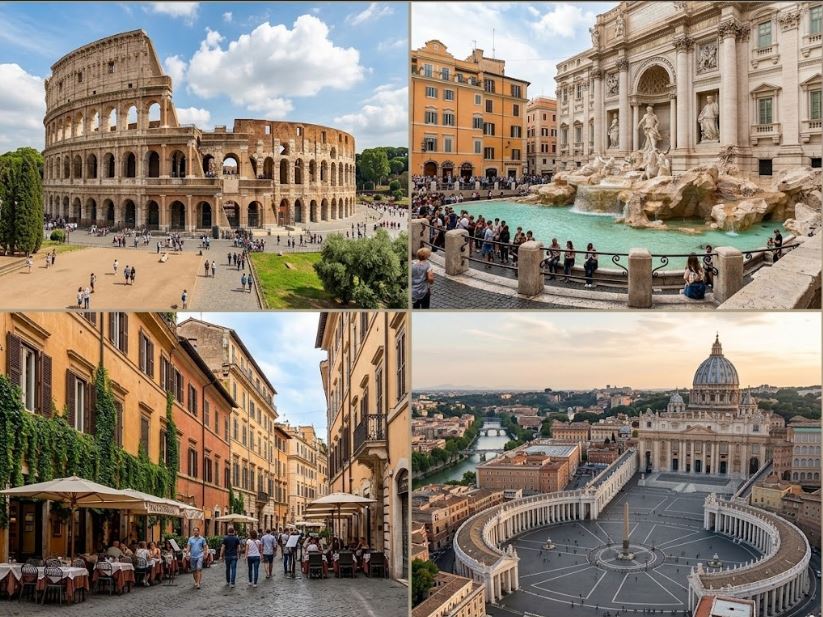
Rome operates as the political and administrative center of Italy. The city covers a massive geographic footprint of 1,285 square kilometers across the Lazio region. The urban grid sits on a foundation of volcanic tufa rock, spread across a series of rolling hills intersecting with the Tiber River floodplain. Modern developers face severe structural limitations. The entire central core functions as an active archaeological site. Millennia of continuous human occupation created a deep stratified layer of ancient masonry, collapsed columns, and buried foundations. The municipal government balances the heavy demands of a modern European capital with strict legal mandates protecting this ancient footprint. Evaluating the subterranean transit projects, the hydrological management of the river, and the extreme zoning laws governing commercial real estate provides a clear framework for analyzing how this city functions today.
Subterranean Engineering And Metro Line C
Moving millions of residents across this massive physical footprint requires aggressive public transit solutions. The street-level roads suffer from permanent gridlock. The historical center features narrow cobblestone alleys completely incapable of handling heavy bus traffic. The municipality relies on a heavy rail subway network to move commuters underground. The system currently utilizes three primary lines: Line A, Line B, and the partially completed Line C.
Expanding the subway network in Rome presents the most difficult tunneling environment on the planet. Engineers cannot simply dig a shallow trench. The strato archeologico, or archaeological layer, extends from the modern street level down to roughly fifteen meters underground. This zone holds the ruins of the Roman Empire, the medieval period, and the Renaissance. Any trenching operation immediately strikes protected historical artifacts. Italian law halts all construction the moment a worker uncovers an ancient foundation or ceramic deposit.
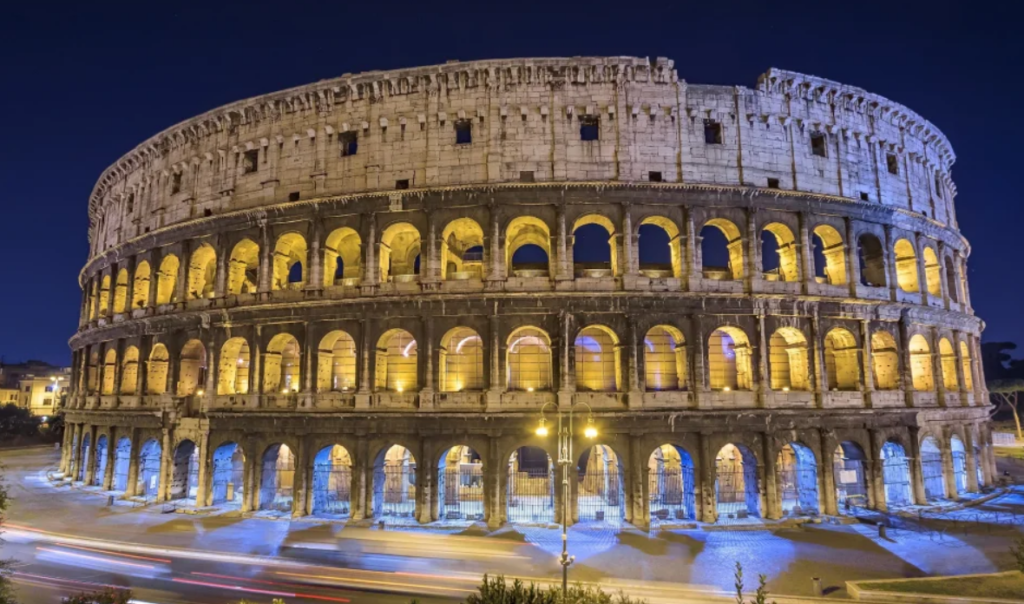
The planners for Metro Line C bypassed this friction by burying the tunnels far beneath the archaeological layer. Massive tunnel boring machines operate at depths exceeding thirty meters, cutting straight through the deep volcanic bedrock. This depth completely avoids the ancient Roman street level. The severe operational delays occur at the station vertical access shafts. The engineers must dig straight down from the modern surface to reach the deep platforms. These vertical drops cut directly through the ancient ruins. The San Giovanni station took over a decade to complete. Workers unearthed massive agricultural complexes, ancient irrigation pipes, and thousands of bronze coins. The transit authority integrated these discoveries directly into the station architecture, turning the subterranean ticketing hall into a massive public museum.
| Transit Corridor | Infrastructure Type | Depth Profile | Primary Constraint |
|---|---|---|---|
| Line A | Heavy Rail | Shallow to Medium | Frequent station closures for maintenance |
| Line B | Heavy Rail | Shallow | Direct intersection with the Colosseum foundations |
| Line C | Heavy Rail (Automated) | Deep Level (30m+) | Vertical shaft archaeological excavations |
| Regional Tram | Surface Light Rail | Street Level | Traffic lane sharing, pedestrian friction |
Hydrology And The Tiber River Embankments
The Tiber River bisects the city, creating a massive hydraulic system that dictated the original settlement patterns of the ancient world. The geographic reality of the river presented a continuous threat to the population for centuries. The surrounding mountains funnel heavy winter rainfall directly into the urban basin. Before the 19th century, the Tiber regularly breached its banks, flooding the low-lying neighborhoods of Trastevere and the Campus Martius under meters of muddy water.
Following the unification of Italy, the new national government executed a massive hydrological engineering project to permanently control the water. Engineers constructed the muraglioni, massive retaining walls built from heavy travertine stone. These towering vertical embankments line the river for kilometers through the city center. The design completely disconnected the urban street level from the water surface. The river now flows in a deep, wide channel far below the pedestrian sidewalks.
The walls succeeded in stopping the catastrophic floods. The design created a new environmental reality. The river bottom fills with heavy silt deposits and biological debris. The city utilizes small dredging barges to clear the channels before the heavy winter rains arrive. During the dry summer months, the water level drops significantly. The municipality constructs temporary seasonal structures directly on the lower concrete banks, operating summer festivals and open-air cinemas far below the chaotic traffic of the modern city above.
The Aqueduct Network And Modern Distribution
Rome maintains an incredibly sophisticated water delivery system. The modern utility network relies heavily on the engineering legacy of the ancient empire. The city imports its fresh water from the Apennine Mountains, utilizing gravity to pull millions of gallons of water across the surrounding plains. The Peschiera-Capore springs provide the vast majority of the drinking water, traveling through dozens of kilometers of pressurized tunnels before reaching the urban distribution grid.
The street-level distribution system relies on thousands of public fountains known as nasoni. These cast-iron fixtures stand on nearly every street corner in the historical center. The water runs continuously. This constant flow serves a distinct mechanical purpose. The moving water prevents stagnation inside the ancient pipe network, maintains hydrostatic pressure, and flushes the underground sewer system. The municipality tests the water purity continuously, providing free, chilled drinking water to millions of residents and tourists every single day.
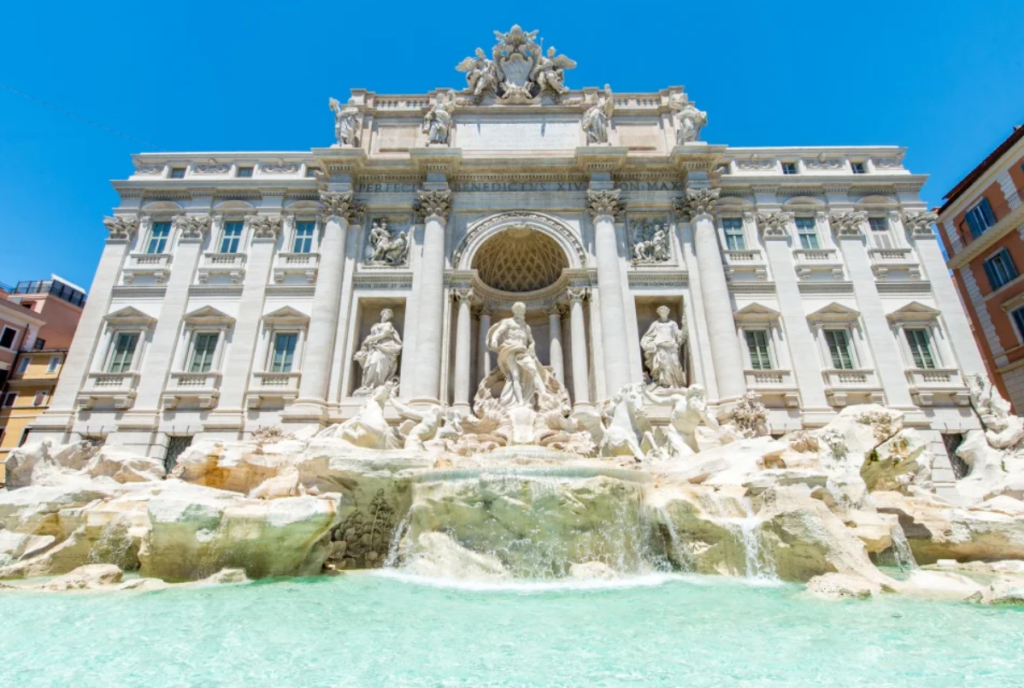
The larger monumental fountains, like the Trevi Fountain and the Fountain of the Four Rivers, operate on closed-loop recirculation systems. These massive architectural pieces originally ran on raw gravity pressure from the ancient aqueducts. The modern city installed heavy industrial pumps hidden beneath the cobblestones to recycle the water, preserving the visual impact of the cascading basins without wasting millions of gallons of treated drinking water.
Luxury Hospitality And Palazzo Conversions
The high-end hospitality market in Rome operates under strict physical limitations. The city lacks empty plots of land in the central districts. Hotel brands seeking to enter the market must purchase and retrofit existing historical structures. The Italian Ministry of Culture designates nearly every building in the historical core as a protected national monument. The exterior facades cannot undergo any visual alteration.
Converting a 17th-century aristocratic palazzo into a modern luxury hotel requires severe architectural engineering. Developers must hide the modern utility infrastructure. Heavy industrial air conditioning chillers, complex electrical transformers, and high-speed fiber optic cables vanish behind thick plaster walls and centuries-old wooden ceiling beams. The Hotel de Russie and the recently opened Bvlgari Hotel execute this strategy flawlessly. They maintain the original marble staircases and frescoed salons, upgrading the hidden mechanical systems to meet the spatial and thermal expectations of high-net-worth travelers.
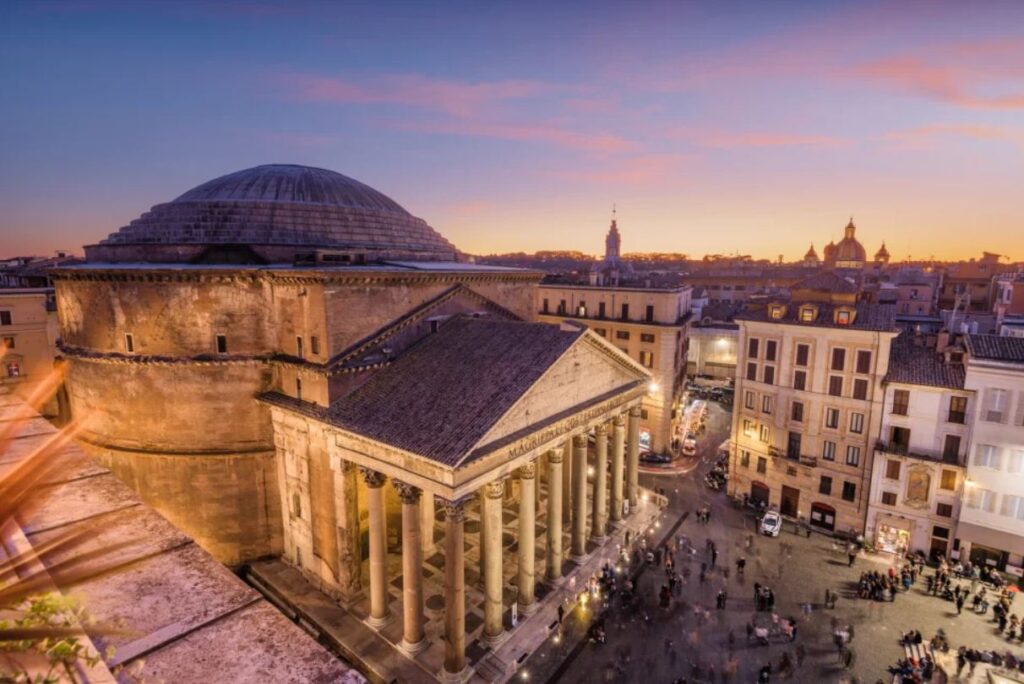
Travelers building comprehensive Europe travel itineraries frequently select these retrofitted properties. The buildings offer immediate walking access to the Spanish Steps and the Pantheon. The structural layouts force a highly unique room inventory. The original aristocratic floor plans feature massive vaulted ceilings on the second floor, known as the piano nobile, with progressively lower ceilings on the upper floors historically reserved for servants. Modern hoteliers price these suites according to this exact historical vertical hierarchy.
Preserving The Monumental Core
The physical footprint of the ancient city suffers from intense mechanical wear. Millions of boots grind against the basalt paving stones of the Roman Forum every year. The smog generated by thousands of diesel engines reacts with the rain, creating a mild acid that slowly dissolves the intricate marble carvings on the Arch of Constantine and the Trajan Column. The municipal government constantly initiates massive chemical cleaning projects to remove the black carbon crust from these ancient facades.
The sheer volume of human traffic forces the authorities to implement strict crowd control protocols. The Colosseum administration restricts the total number of simultaneous visitors inside the amphitheater to exactly three thousand people. This hard cap prevents structural overloading on the modern steel walkways installed over the ruined subterranean hypogeum. The tickets feature strict timed-entry windows, completely eliminating the massive, chaotic queues that plagued the site in previous decades. The international community recognizes the extreme fragility of this specific urban footprint, managing the preservation efforts under the strict guidelines of the UNESCO World Heritage Centre.
The Trevi Fountain presents a different preservation challenge. The monument sits in a tiny, asymmetrical piazza. The space physically cannot hold the tens of thousands of visitors attempting to view the water every afternoon. The local police deploy permanent tactical units to keep the crowds moving, blowing whistles to prevent tourists from sitting on the fragile travertine marble edge. The city regularly drains the basin to extract the heavy volume of metallic coins thrown into the water, utilizing the collected funds to support local charitable operations.
Aviation Hubs And Regional Rail Networks
Rome connects to the global market through two distinct aviation facilities. Leonardo da Vinci International Airport, located in the coastal town of Fiumicino, operates as the primary intercontinental gateway. The airport features massive dual runways capable of processing heavy widebody aircraft arriving from North America and Asia. The terminal architecture underwent a massive recent overhaul, expanding the retail concourses and upgrading the automated baggage handling systems to eliminate severe delays.
Ciampino Airport sits to the southeast. This smaller, single-runway facility handles the extreme volume of low-cost regional carriers moving passengers across the European continent. The physical separation of these two markets prevents total operational collapse during the peak summer travel season.
The rail network anchors the ground logistics. Roma Termini functions as the primary transit node for the entire nation. This massive modernist structure processes hundreds of regional and high-speed trains every day. The Leonardo Express provides a dedicated, non-stop rail link from the Fiumicino tarmac directly to the Termini platforms. The high-speed rail lines shoot north to Florence and Milan, completely bypassing the unpredictable national highway system. The train platforms feature strict security perimeters. Ticket barriers prevent non-traveling individuals from accessing the tracks, drastically reducing the localized petty crime that previously defined the massive transit hub.
Culinary Logistics And The Agro-Romano
The food systems in Rome rely heavily on the immediate surrounding geography. The city occupies the center of the Agro-Romano, a massive, fertile agricultural plain stretching across the Lazio region. The local diet utilizes the specific output of this volcanic soil. Artichokes, zucchini blossoms, and heavy pecorino cheese form the foundation of the traditional Roman menu.
The logistical movement of this produce dictates the morning routine of the city. Open-air markets like Campo de’ Fiori and the covered Mercato Trionfale process tons of fresh agricultural goods before dawn. Delivery trucks navigate the narrow alleys under the cover of darkness, supplying the thousands of independent trattorias and bakeries scattered across the historical center. The municipal government enforces strict traffic restriction zones, known as ZTLs, limiting commercial delivery hours to prevent heavy trucks from blocking the pedestrian corridors during the day.
The culinary sector executes a highly structured series of pasta dishes built entirely on guanciale, cured pork jowl. Carbonara, Amatriciana, and Gricia require highly specific local sourcing to meet the strict expectations of the domestic population. The high-end dining sector actively leverages this regional agricultural heritage. Chefs execute highly technical tasting menus utilizing foraging networks deep in the surrounding Lazio hills. The integration of ancient architectural preservation, deep subterranean engineering, and hyper-localized culinary logistics establishes Rome as a highly complex, historically burdened urban center dominating the Italian peninsula. The city functions through a daily series of structural compromises, balancing the absolute preservation of its imperial past with the heavy mechanical demands of its modern population.