

For decades, many travelers viewed Singapore primarily as a convenient aviation hub — a clean, efficient stopover between Europe, Australia, and the rest of Asia. Today, that perception is rapidly changing. Singapore is intentionally reinventing itself as a destination where travelers stay longer, explore deeper, and engage more meaningfully with culture, food, art, and lifestyle experiences. Rather than positioning tourism around attractions alone, the country now emphasizes immersive travel — experiences that connect visitors with local traditions, creativity, and everyday urban life. This strategic shift reflects global travel trends. Modern travelers increasingly seek authenticity, storytelling, and personalization over checklist sightseeing. Singapore’s multicultural identity, culinary diversity, and innovation-driven urban design make it uniquely positioned to lead Asia’s experiential tourism movement.
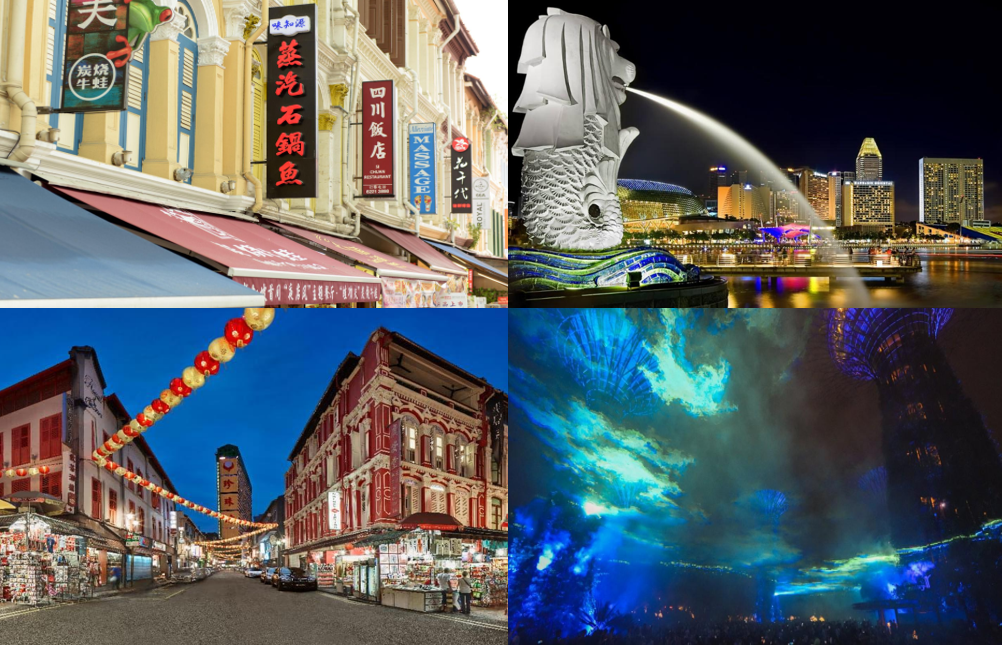
A New Vision for Singapore Cultural Tourism
Singapore’s tourism strategy focuses on transforming visitors from spectators into participants. Cultural districts are being revitalized, heritage storytelling is expanding, and local communities are becoming part of the travel experience. Neighborhoods once explored briefly are now destinations in their own right.
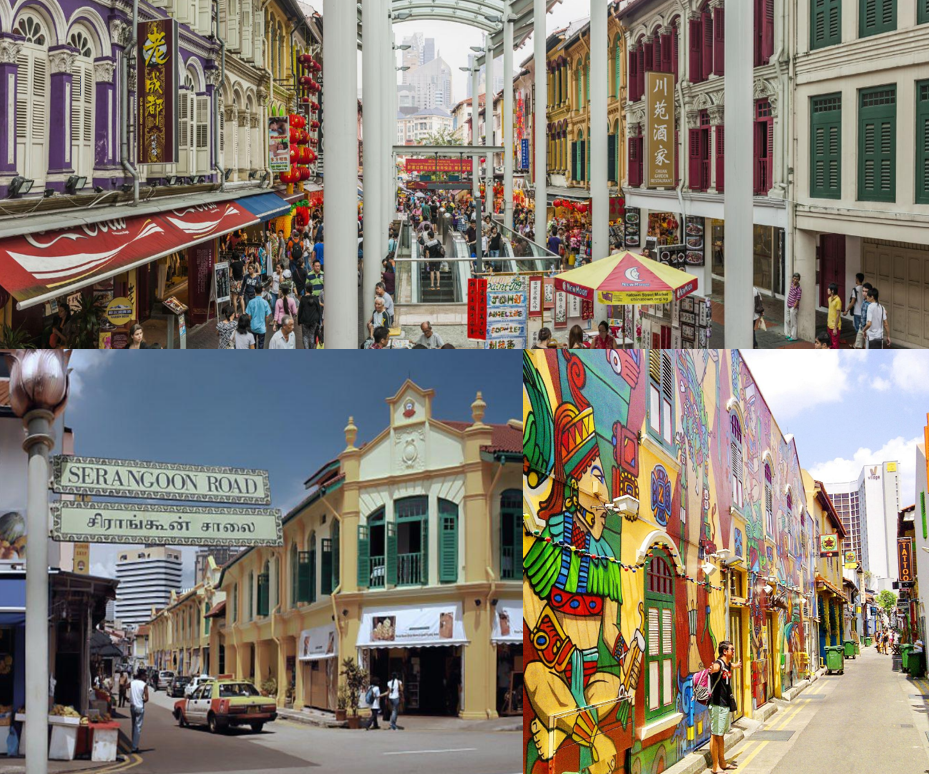
Areas such as Chinatown blend restored shophouses with modern galleries and cafés, while Little India immerses visitors in vibrant temples, spice markets, and traditional crafts. Meanwhile, Kampong Glam showcases Malay heritage alongside independent designers and contemporary art spaces. Travelers are encouraged to slow down, interact with artisans, and explore cultural narratives through guided storytelling tours and workshops.
Food as Cultural Identity: Singapore’s Culinary Evolution
Food has always been central to Singapore’s identity, but today it serves as one of the strongest drivers of experiential tourism. Singapore’s dining culture bridges tradition and innovation. Travelers can enjoy Michelin-recognized street food at hawker centers while also experiencing world-class fine dining.At iconic locations like Maxwell Food Centre and Lau Pa Sat, visitors taste dishes shaped by Chinese, Malay, Indian, and Peranakan influences.
Experiential food tourism now includes:
- Chef-led market tours
- Cooking masterclasses with local chefs
- Heritage food storytelling walks
- Private tasting menus inspired by Singaporean traditions
Dining becomes more than eating; it becomes cultural education through flavor.
Immersive Attractions Redefining Urban Experiences
Singapore continues to innovate by blending technology, nature, and storytelling into immersive attractions. The futuristic Gardens by the Bay exemplifies this approach. Visitors explore biodomes that recreate global ecosystems while interactive exhibits combine sustainability education with visual spectacle. Similarly, Jewel Changi Airport has evolved from a transit facility into a destination attraction. The Rain Vortex waterfall, indoor forests, and lifestyle spaces encourage travelers to extend layovers into meaningful experiences. These developments show how Singapore integrates entertainment, learning, and design into cohesive visitor journeys.
Arts, Creativity, and Contemporary Culture
Singapore’s creative economy plays a growing role in attracting culturally curious travelers. The National Gallery Singapore anchors the city’s visual arts scene, showcasing Southeast Asian masterpieces within restored colonial architecture. Independent galleries, street art initiatives, and design festivals further highlight Singapore’s modern identity. Public art installations now appear across urban spaces, transforming neighborhoods into open-air galleries. Cultural festivals celebrating film, music, literature, and design invite visitors to engage with local creativity rather than simply observe it. This cultural expansion positions Singapore as both a heritage destination and a contemporary creative capital.
Experiential Luxury: Personalized Travel Journeys
Experiential tourism increasingly overlaps with luxury travel trends, as high-value travelers shift their priorities toward meaningful and personalized experiences rather than traditional symbols of luxury. In Singapore, hospitality providers have embraced this evolution by designing journeys that emphasize connection, authenticity, and individual interests.
Hotels and tour operators now curate highly personalized itineraries tailored to each guest’s preferences. Travelers can explore heritage districts through private guided walks led by historians who provide deeper cultural context and storytelling. Culinary experiences often extend beyond restaurant dining, offering behind-the-scenes access to kitchens and exclusive encounters with renowned chefs. Wellness and mindfulness retreats have also become central to luxury travel, helping visitors restore balance through carefully structured programs that combine relaxation with personal growth.
Shopping experiences are similarly elevated through designer-led consultations and curated retail journeys that focus on personal style rather than mass consumption. Exclusive cultural performances and private artistic showcases further enhance the sense of privileged access. In Singapore, luxury is no longer defined solely by extravagance but by meaningful engagement, personalization, and rare experiences that cannot be easily replicated.
Technology Enhancing Cultural Exploration
Singapore’s smart-city infrastructure plays a quiet yet powerful role in supporting immersive travel experiences. Advanced technology simplifies logistics, allowing visitors to move effortlessly throughout the city while focusing on discovery rather than planning.
Integrated transportation systems connect neighborhoods efficiently, while mobile payment platforms enable seamless transactions across attractions, restaurants, and retail spaces. AI-powered digital guides and travel applications personalize recommendations based on traveler interests, helping visitors uncover hidden cultural gems alongside iconic landmarks.
This technology operates almost invisibly, reducing friction throughout the travel journey. By removing common inconveniences, Singapore allows travelers to immerse themselves fully in cultural exploration, creating a smoother and more engaging visitor experience.
Why Singapore’s Transformation Matters
Singapore’s repositioning as a cultural and experiential destination reflects broader changes occurring across global tourism. Modern travelers increasingly seek destinations that offer emotional connection, storytelling, and authentic engagement rather than passive sightseeing.
Through a careful blend of multicultural heritage, culinary excellence, technological innovation, and curated lifestyle experiences, Singapore has successfully evolved beyond its long-standing image as a transit stop. Visitors are now encouraged to slow down and explore the city in depth, discovering layers of culture and creativity that reveal themselves over time.
This transformation allows Singapore to appeal to a wide range of travelers simultaneously. Culture enthusiasts, food explorers, luxury travelers, digital nomads, and wellness seekers all find experiences tailored to their interests, reinforcing the destination’s versatility and global appeal.
Conclusion: A Destination Designed for Experience
Singapore’s evolution demonstrates how destinations can reinvent themselves through intentional storytelling and thoughtful experience design. By combining innovation with heritage preservation, the city has created a travel environment that feels both modern and deeply rooted in culture.
No longer viewed simply as a transit hub, Singapore invites visitors to engage fully with its creativity, cuisine, communities, and lifestyle. Each neighborhood, meal, and attraction contributes to a layered narrative that rewards curiosity and exploration.
For travelers seeking immersive journeys in Asia, Singapore stands as one of the most compelling cultural destinations of the modern era, where innovation meets heritage and every visit offers new perspectives and experiences waiting to be discovered.