
Luxury travel in the United States has long been associated with massive resorts, sprawling beachfront properties, and international hotel chains that dominate major tourism markets. While these destinations offer impressive amenities, they often come with large crowds, long check-in lines, and an experience that can feel surprisingly impersonal.
In recent years, however, many travelers have begun shifting their preferences toward boutique hotels—smaller properties that emphasize personalized service, thoughtful design, and distinctive local character. These hotels typically feature fewer rooms, allowing staff to provide more attentive hospitality while preserving a relaxed atmosphere that larger resorts often struggle to maintain.
Boutique hotels also tend to reflect the culture and landscape of their surroundings. Whether located along rugged coastlines, in historic city districts, or tucked into mountain landscapes, these properties often highlight architecture, cuisine, and artistic influences that feel uniquely tied to their region.
For travelers seeking luxury accommodations without overwhelming crowds, several boutique hotels across the United States stand out for their exceptional service, striking locations, and memorable guest experiences.

Why Boutique Hotels Are Redefining Luxury Travel
Traditional luxury hotels often emphasize scale—large lobbies, expansive conference facilities, and hundreds of guest rooms designed to accommodate thousands of visitors each week. Boutique hotels approach hospitality differently.
Most boutique properties operate with fewer than 100 rooms, allowing them to prioritize detail, ambiance, and guest comfort rather than sheer capacity. The result is an experience that feels curated rather than standardized.
Travel research published by Boutique hotel industry trends from Statista shows steady growth in the boutique hospitality segment, reflecting rising demand for smaller luxury accommodations that emphasize unique design and personalized service.
Another key advantage is location. Boutique hotels are often situated in places where large resorts cannot be built—historic downtown districts, dramatic coastal cliffs, or protected natural landscapes. These settings allow guests to experience destinations more authentically, often within walking distance of local restaurants, cultural landmarks, and scenic viewpoints.

Standout Boutique Hotels Across the United States
Several boutique hotels have gained national recognition for delivering luxurious experiences while maintaining an intimate scale.
| Hotel | Location | Distinctive Feature | Approximate Rooms |
|---|---|---|---|
| Post Ranch Inn | Big Sur, California | Cliffside suites overlooking the Pacific Ocean | 39 |
| Hotel Emma | San Antonio, Texas | Historic brewery turned luxury hotel | 146 |
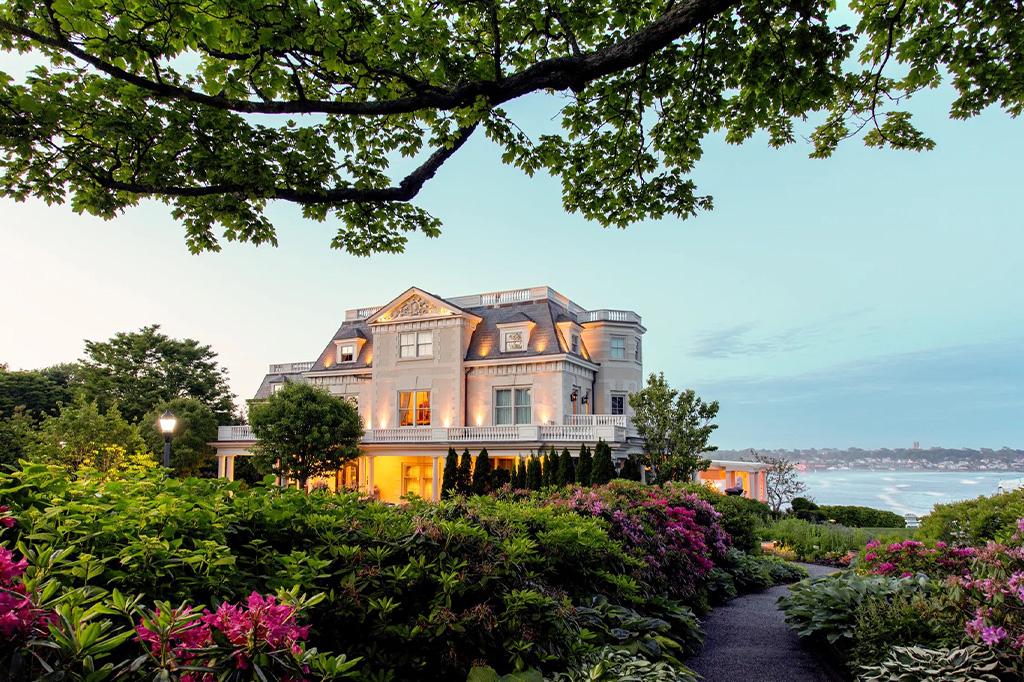
| The Chanler at Cliff Walk | Newport, Rhode Island | Mansion-style rooms along a scenic coastal path | 20 |
| Blackberry Farm | Walland, Tennessee | Luxury farm retreat in the Smoky Mountains | 68 |
| The Lowell | New York City, New York | Classic European-style boutique hotel | 74 |
Each of these hotels reflects a different approach to boutique luxury.
Post Ranch Inn in Big Sur is often considered one of the most dramatic hotel settings in North America. Built along the cliffs above the Pacific Ocean, the property emphasizes environmental harmony, featuring architecture designed to blend into the surrounding landscape.
Hotel Emma in San Antonio represents another side of boutique hospitality. The hotel occupies a restored 19th-century brewery and has become one of the most celebrated properties in Texas, combining industrial architecture with modern luxury design.
The Chanler at Cliff Walk in Newport offers a more historic experience. Located within a restored mansion overlooking the Atlantic Ocean, the property features individually themed guest rooms inspired by European travel traditions.
What Makes Boutique Hotels Different From Large Resorts
The defining characteristic of boutique hotels is their ability to create experiences that feel highly personal. Staff often recognize returning guests, remember preferences, and tailor recommendations based on individual interests.
Design also plays a central role. Unlike many chain hotels that follow standardized architectural templates, boutique properties often collaborate with local artists and designers to create interiors that reflect regional identity.
Culinary programs frequently highlight local ingredients as well. Restaurants inside boutique hotels tend to function as destination dining venues rather than simple hotel amenities, drawing both travelers and local residents.
For travelers researching destinations and accommodations, the Forbes Travel Guide hotel ratings provide one of the most respected benchmarks for evaluating luxury hospitality worldwide.
Choosing the Right Boutique Hotel for Your Travel Style
Selecting the ideal boutique hotel often depends on the type of travel experience a guest hopes to have.
Urban boutique hotels, such as The Lowell in Manhattan, place visitors within walking distance of cultural institutions, museums, and restaurants. These properties appeal to travelers who want immediate access to city life while still enjoying a refined and intimate hotel environment.
In contrast, destination properties like Blackberry Farm in Tennessee provide immersive retreats centered on nature, wellness, and culinary experiences. Guests may spend their days hiking, attending cooking classes, or exploring nearby mountain landscapes.
Coastal boutique hotels often offer a balance between these two styles. Scenic ocean views and relaxed surroundings provide a tranquil setting while still offering opportunities to explore nearby towns, historic districts, and cultural attractions.
Travelers planning seaside escapes can also explore our guide to hidden coastal towns, which highlights destinations where smaller boutique hotels often thrive thanks to their unique local character.
Ultimately, the appeal of boutique hotels lies in their ability to deliver luxury through thoughtful design, attentive service, and a sense of place that larger resorts rarely achieve.
For travelers seeking comfort without crowds, these intimate properties continue to redefine what modern luxury hospitality looks like in the United States.