
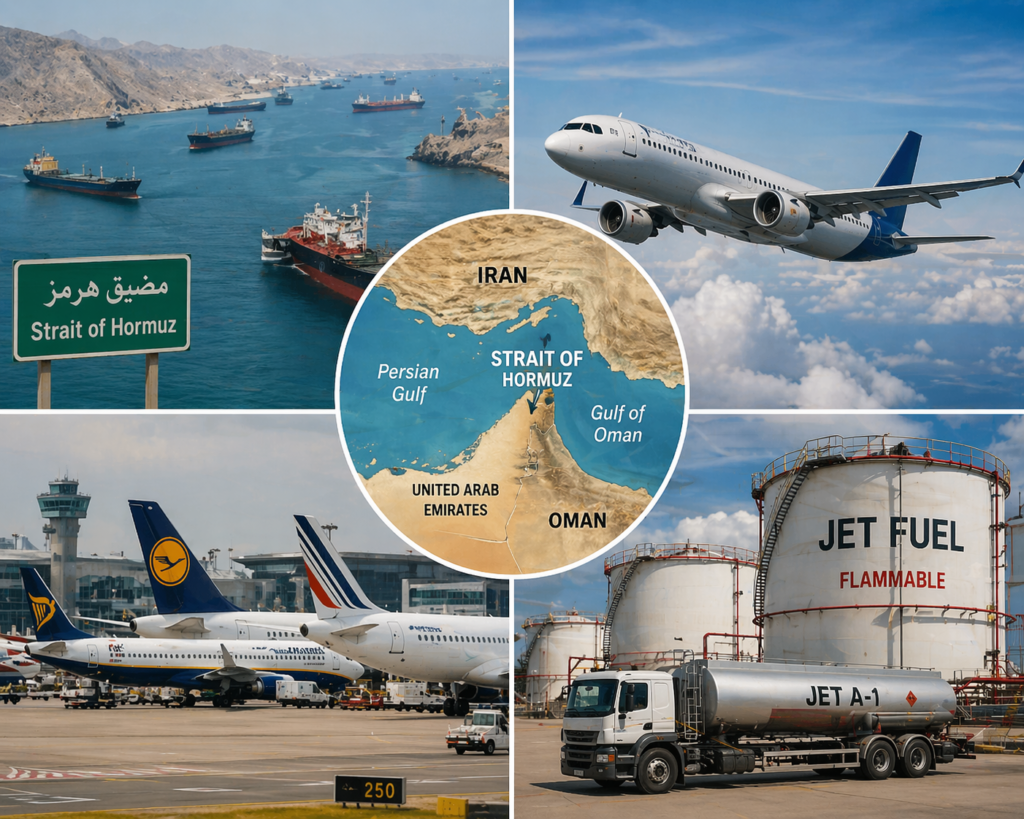
Premium AAs the aviation sector gears up for its most profitable season, an unprecedented geopolitical energy shock threatens to ground fleets across the continent. Driven by the 2026 conflict in the Middle East and the subsequent blockade of the Strait of Hormuz, European carriers are staring down an existential supply chain disruption. What began as a regional conflict has mutated into a global logistical paralysis, effectively severing a major artery of global oil transit and starving airlines of the kerosene required to maintain their aggressive summer schedules.
This analysis expands upon the pivotal intelligence first detailed in a comprehensive CAPA Centre for Aviation report, which projected severe June 2026 fuel shortages if the current blockade persists. By digging deeper into the macroeconomic fallout, regulatory scrambling, and airline strategy shifts, it becomes overwhelmingly clear that the European aviation landscape is on the precipice of a historic capacity crunch.
The Chokepoint Effect And European Vulnerability
The fundamental mathematics of Europe’s current predicament are unforgiving. The Strait of Hormuz facilitates the movement of roughly 20 percent of the world’s global oil trade, but its importance to the European aviation market is even more disproportionate. Approximately 40 percent of Europe’s refined jet fuel imports transit through this narrow maritime corridor. When the US-Israel coalition and Iran engaged in open conflict in late February, commercial maritime traffic ground to a halt, cutting off the lifeline that feeds major European hubs.
While data from the International Energy Agency initially indicated that Europe possessed approximately six weeks of jet fuel reserves, the reality on the ground is highly fragmented. Domestic refining capacity varies wildly across the continent. Nations like Spain, boasting robust domestic refining infrastructure, operate as net exporters and remain relatively insulated. Conversely, the United Kingdom relies on imports to satisfy more than 60 percent of its aviation fuel demand, exposing its major carriers to immediate supply shocks. Even if fragile regional ceasefires manage to reopen the strait temporarily, the sheer physics of maritime logistics dictate a prolonged crisis. Tankers originating in the Gulf require an average of 45 days to reach European ports, meaning the operational voids of March and April will inevitably translate to dry tanks in June and July.
Soaring Costs And The Brutal Economics Of Kerosene
The immediate consequence of this supply constraint has been a violent upward repricing of aviation fuel. Spot prices for jet fuel have roughly doubled since the outbreak of hostilities, surging from an average of $700 per metric tonne to over $1,500 by mid-April. This hyper-inflationary environment disproportionately punishes unhedged airlines and low-cost carriers operating on razor-thin margins. While legacy carriers and cash-rich Gulf operators can lean on robust financial reserves or long-term hedging contracts, the broader European market is bleeding capital to keep planes in the air.
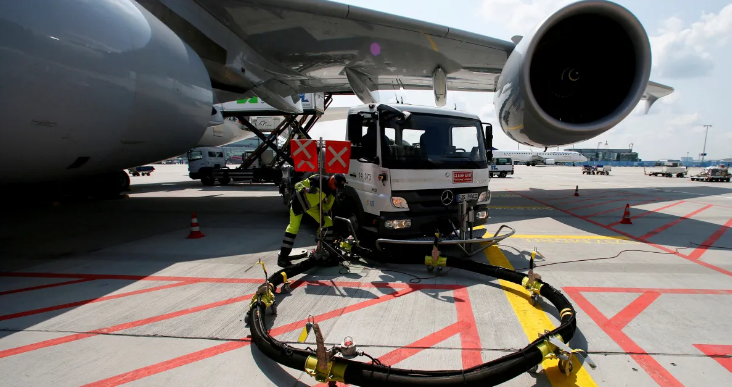
To mitigate localized shortages, European airlines are increasingly relying on “tankering”—the practice of loading surplus fuel at well-supplied airports to ensure return trips from regions facing acute deficits. However, tankering adds significant weight to the aircraft, paradoxically increasing overall fuel burn and carbon emissions while simultaneously inflating operating costs. The financial strain is already forcing major network adjustments. The Lufthansa Group recently announced the removal of roughly 20,000 short-haul flights from its summer schedule through October, a calculated retreat designed to conserve 40,000 metric tonnes of fuel. Similar operational haircuts are being executed by Aer Lingus and Air France-KLM as carriers sacrifice market share to ensure basic operational continuity.
| Region / Airline Group | Fuel Sourcing Vulnerability | Primary Strategic Adjustment |
| United Kingdom | High (over 60% imported) | Intense government lobbying for tax relief and alternative fuel imports |
| Spain | Low (Net exporter) | Relying on robust domestic refining capacity; minimal schedule impact |
| Lufthansa Group | High exposure to spot prices | Strategically cutting ~20,000 short-haul flights for summer 2026 |
Emergency Mechanisms And Regulatory Radicalism
Faced with a systemic collapse of summer connectivity, the European Union and regional trade bodies are pivoting toward emergency market interventions. The European Commission is currently formulating an unprecedented jet fuel sharing mechanism designed to pool reserves and ensure limited stocks are deployed efficiently across the bloc’s 27 member states. This initiative seeks to map out continental refining capacity and legally compel the maximization of kerosene output over other distillates like automotive diesel.
Simultaneously, industry consortiums such as Airlines UK and Airlines for Europe (A4E) are leveraging the crisis to aggressively lobby for regulatory rollbacks. Their demands include the suspension of stringent environmental fuel standards to permit the importation of US-grade Jet A fuel, which possesses a higher freezing point than the traditionally mandated Jet A-1 used in Europe. Furthermore, airlines are pushing governments to declare fuel scarcity an “extraordinary circumstance,” a legal maneuver that would shield carriers from massive passenger compensation payouts resulting from forced cancellations. They are also demanding temporary relief from “use it or lose it” airport slot regulations and the suspension of emissions trading schemes. For a broader perspective on how carriers consistently maneuver through these structural challenges, explore our ongoing coverage of global aviation industry trends and long-term market resilience.
Navigating The 2026 Summer Travel Season
For the flying public, the convergence of constrained supply and skyrocketing operational costs guarantees a grueling summer travel season. Airlines are universally passing the financial burden onto consumers, resulting in transatlantic and intra-European fare increases ranging from 10 to 50 percent. Beyond base fares, passengers are encountering aggressive hikes in ancillary revenue streams, including baggage fees and premium seat selections, as airlines scramble to offset their ballooning fuel expenditures.
The ultimate trajectory of the 2026 summer schedule relies entirely on diplomatic resolutions in the Middle East and the structural integrity of Europe’s stopgap measures. While outright grounding of the entire European fleet remains unlikely due to diverse sourcing from the US and Africa, a “death by a thousand cuts” scenario—characterized by unannounced daily cancellations, route consolidation, and exorbitant last-minute ticket prices—is practically guaranteed. The aviation industry has spent years optimizing for efficiency and growth, but the sudden closure of the Strait of Hormuz has forced a brutal pivot toward sheer survival.nalysis