
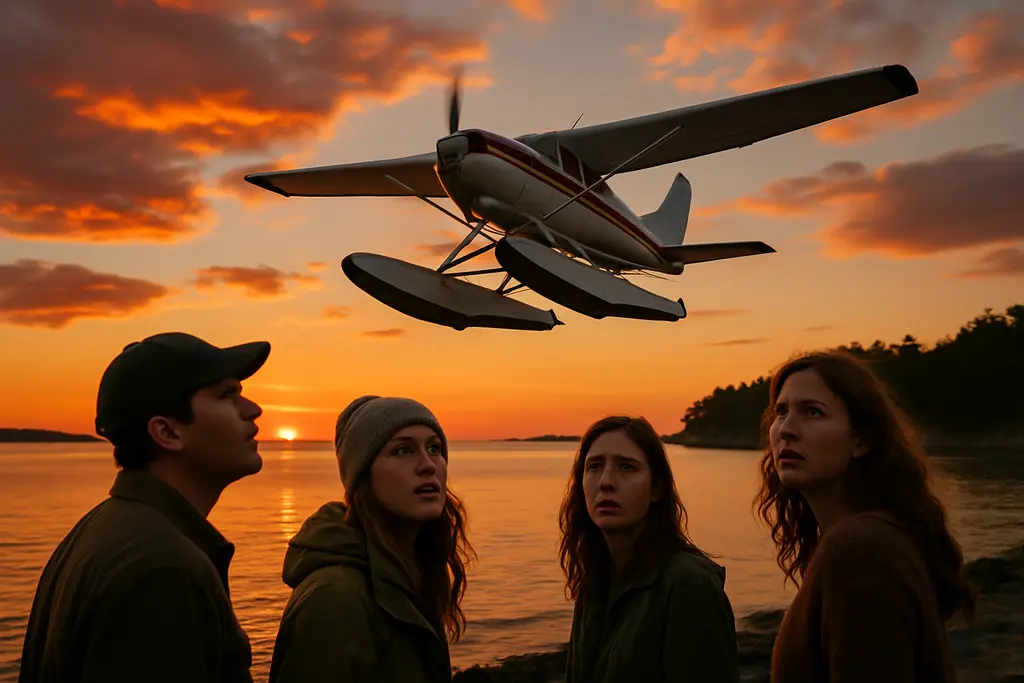
Float plane safety became a sharper planning issue for adventure travelers after the July 23, 2026 Kenmore Air crash near Sucia Island in Washington’s San Juan Islands. The de Havilland DHC-3 Otter had departed Lake Union in Seattle at about 4:33 p.m. PDT with 10 passengers and a pilot, then crashed near Shallow Bay around 5:15 p.m. after the pilot changed course to avoid a storm and attempted an emergency landing, according to a Washington Post report. The incident was survivable, but it was not a minor inconvenience. For travelers who book float flights to islands, lodges, lakes, or remote trailheads, the useful lesson is not to treat scenic aviation as either alarming or routine. It should be assessed like any other adventure activity with equipment, weather exposure, operator standards, and personal readiness.
What Happened Near Sucia Island
The Known Timeline
The available facts show a short flight that changed quickly. The aircraft left Seattle’s Lake Union in the late afternoon on July 23, 2026 and crashed less than an hour later near Sucia Island. The reported course change to avoid storm conditions matters for trip planning because it shows how weather can affect a flight even after departure. A traveler does not need to second-guess a pilot to recognize the planning point: a float-plane booking is tied to real-time sky, visibility, wind, and water conditions.
Why The Location Mattered
Shallow Bay and the wider San Juan Islands setting also matter because float-plane routes often operate near shorelines, channels, docks, and small communities. In this crash, post-impact help from people nearby was part of the event record. That does not mean travelers should depend on bystanders. It means the rescue setting is part of risk assessment. A short island hop may feel close to civilization, but once a cabin is damaged or in the water, the time available to exit can be very brief.
Float Plane Safety Risk Patterns
Float Plane Safety And Time To React
Research on Canadian seaplane water accidents gives travelers a clearer sense of the emergency window. A study of 487 Canadian seaplane water accidents from 1995 to 2019, covering 1,144 occupants, found an approximate 87 percent survival rate. The same study found that 86 percent of accidents gave occupants less than 15 seconds of warning before impact, and many deaths were linked to drowning after people were trapped in the cabin, according to the Canadian seaplane accident study. Those findings are practical rather than abstract: the safety briefing, exit awareness, and flotation decision have to happen before takeoff, not after a problem begins.
The Survival Lesson For Passengers
The strong survival rate in that dataset should not be read as a reason to ignore preparation. It should be read as evidence that survivability depends on what happens in seconds. Passengers who know where the exits are, understand how a window or door opens, and have flotation ready are better positioned to act under stress. Travelers should also avoid storing cameras, dry bags, or daypacks where they could block foot space or exits. A scenic flight is often part of a larger adventure plan, but inside the aircraft the priority is simple: listen, locate, fasten, and be ready to move.
Questions To Ask Before Booking
Operator, Aircraft, And Pilot Checks
Adventure travelers often ask about views, luggage limits, and timing first. Those questions are useful, but float plane safety is less about the postcard angle and more about the operator’s safety culture. Ask whether the aircraft has recent required inspections, whether passengers receive a specific over-water briefing, and whether flotation devices are worn or only carried. If the operator will not answer basic questions plainly, that is useful information for your booking decision. For insights into other aviation travel options, Vision Airlines offers a wide range of related travel resources and can help broaden your understanding, though each operator still needs its own safety review.
Weather, Water, And Go/No-Go Decisions
Weather questions should be direct and non-confrontational. Ask how the operator handles storm cells, low visibility, wind shifts, and water conditions at the landing area. Ask what happens if the flight is delayed or canceled for weather. A cautious operator should be comfortable explaining that scenic value never outranks operating conditions. Travelers should also build flexible plans around remote flights. If a float-plane segment is the only way to reach a lodge, cruise connection, or trailhead, leave room in the schedule so a weather delay does not pressure anyone into a marginal decision.
- Will passengers wear personal flotation devices from boarding through landing?
- What float plane safety briefing is given before engine start?
- Which exits should each passenger use, and how do they open?
- What recent inspection status can the operator confirm?
- How much float-plane experience is required for pilots on this route?
- What conditions would delay, reroute, or cancel the flight?
Travelers comparing operators may also find value in this related analysis of Kenmore Air crash safety questions, especially if the planned route includes island communities or dock-to-dock flying.
Cabin Briefing Habits For Adventurous Travelers
Before The Engine Starts
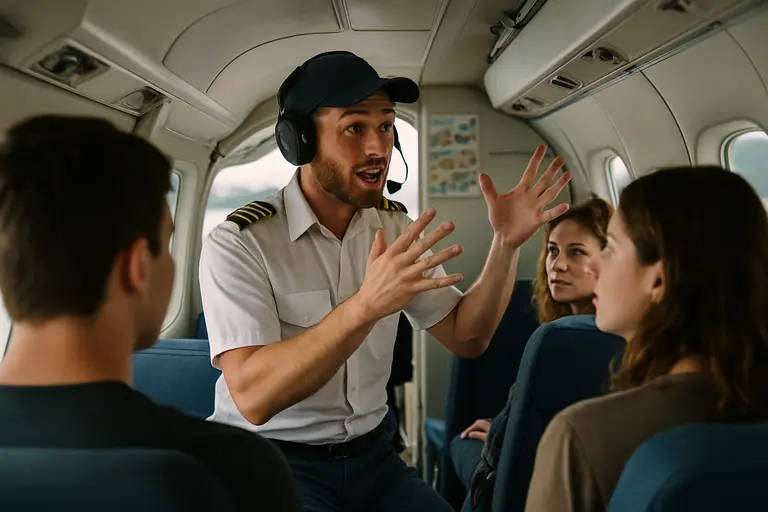
A passenger can improve readiness without acting dramatic or slowing the flight. Before departure, identify the nearest exit, then identify a second exit. Touch the flotation device so you know where it sits and how it releases. If the briefing is hard to hear, ask for clarification before the aircraft moves. Keep footwear on. Keep sharp objects and heavy cameras secured. If traveling with children or less experienced flyers, agree in advance who helps whom and in what order.
- Keep your seatbelt fastened as instructed and avoid loosening it for photos.
- Do not place bags underfoot if they could block movement toward an exit.
- Mentally rehearse opening the assigned exit after the briefing.
- Wear layers that allow movement; avoid loose straps that could snag.
- After impact, wait for motion to stop, then release, exit, and move clear.
Private Charters Need Extra Scrutiny
Private charters can be attractive because they may reach remote cabins, fishing camps, or trail access points on a schedule that works for a small group. They also require more passenger diligence. Do not assume a private arrangement uses the same briefing format, flotation policy, or dispatch process as a scheduled commercial service. Ask the same questions in writing when possible, especially if the flight is bundled into a lodge package. If the answers are vague, consider whether a boat, ferry, road transfer, or a different operator gives you a better risk profile.
Float Plane Safety For Future Island Flights
Using The Sucia Crash As A Planning Filter
The Sucia Island crash should not be reduced to a simple warning against float-plane travel. It is more useful as a planning filter. The aircraft encountered conditions serious enough for a course change and emergency landing attempt, and the outcome showed both survivability and the seriousness of cabin egress after impact. For travelers, the planning question is not whether a route feels adventurous. It is whether the operator, aircraft, briefing, weather policy, and passenger behavior line up before the flight begins.
A Practical Standard For Booking
A reasonable personal standard is to book only when you understand the flotation policy, the exit plan, the weather process, and the operator’s willingness to cancel when conditions deteriorate. Float plane safety depends on professional decisions, but passengers are not passive cargo. Your choices before boarding shape how prepared you are during the short window that accident research has identified. Treat the scenic flight as part of the adventure, but give it the same disciplined attention you would give to a glacier walk, backcountry boat transfer, or exposed alpine road.