

Introduction: The Allure of the Unknown
In a world where many travel destinations are becoming increasingly crowded and commercialized, Venezuela stands apart as one of the last true frontiers of adventure travel. While headlines often focus on its challenges, a growing number of travelers are quietly rediscovering the country—not for luxury or convenience, but for something far more compelling: raw, untouched beauty. In 2026, Venezuela continues to attract a niche but passionate group of explorers who are drawn to places that feel wild, remote, and authentic. From the depths of the Amazonian jungle to isolated Caribbean islands, the country offers experiences that are becoming increasingly rare in modern tourism.
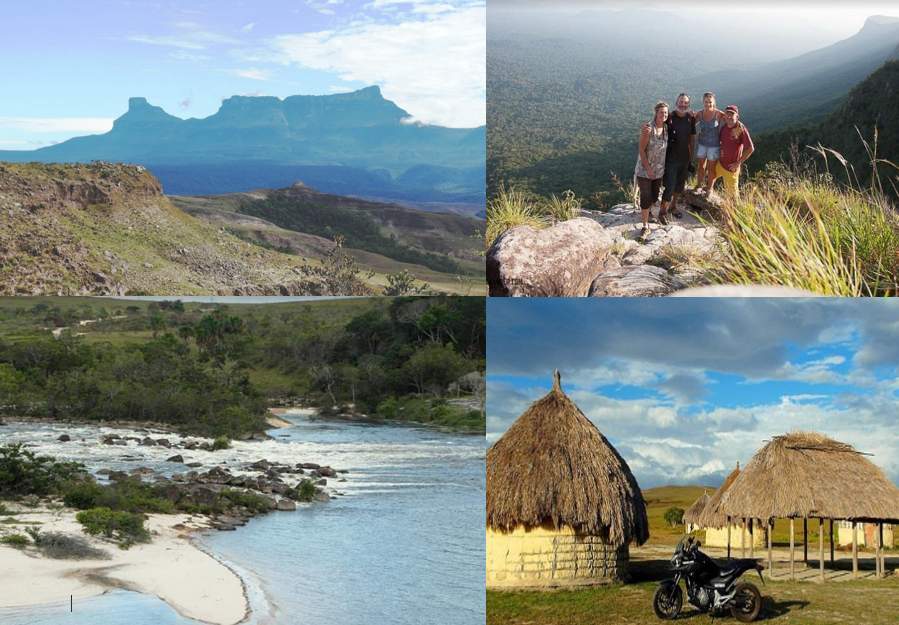
At the heart of Venezuela’s appeal lies Angel Falls, the tallest uninterrupted waterfall on Earth, plunging an astonishing 979 meters from the summit of Auyán-tepui in the heart of Canaima National Park. Hidden deep within dense jungle and surrounded by some of the oldest geological formations on the planet, this natural wonder is not just a landmark—it’s the ultimate symbol of raw, untouched adventure. Reaching Angel Falls is no ordinary journey. Travelers must first take small aircraft into remote airstrips carved into the wilderness, followed by long canoe trips along winding rivers that cut through thick rainforest. The effort required to get there is precisely what makes the experience so extraordinary. It transforms a simple visit into a true expedition, where every step feels earned and every feels untouched by time. For many, standing before Angel Falls is not just about witnessing a destination—it’s about immersing oneself in one of the last truly wild landscapes on Earth.

Beyond Angel Falls, Venezuela as a whole feels like a country designed for exploration. Its geography is as diverse as it is dramatic, offering everything from dense rainforests teeming with wildlife to towering tepui mountains that date back billions of years. These flat-topped formations rise abruptly from the creating surreal landscapes that seem almost otherworldly. Vast river systems like the Orinoco carve their way through remote regions, while expansive savannas stretch endlessly across the Gran Sabana. With more than 40 national parks and an extraordinary level of biodiversity, Venezuela remains one of the most ecologically rich countries in South America, making it a natural playground for adventure travelers seeking authenticity over convenience. In regions like Gran Sabana and the Orinoco Delta, visitors can still experience environments that remain largely untouched by mass tourism—places where nature dominates and modern development feels distant.
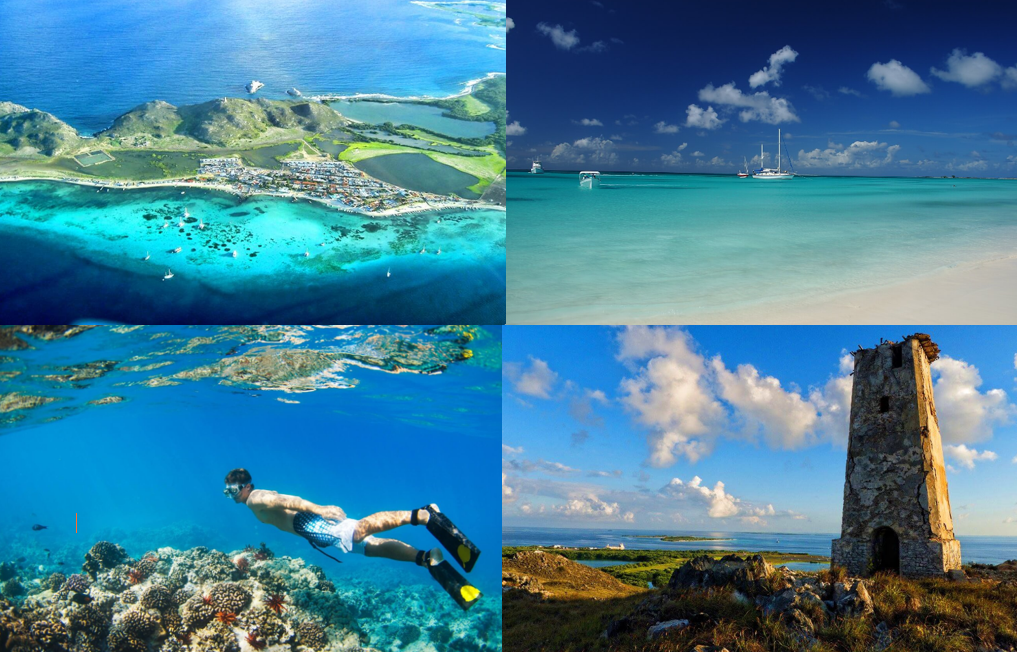
Yet Venezuela’s appeal is not limited to jungles and mountains. Along its northern coast lies a completely different kind of paradise—one that rivals the Caribbean’s most famous destinations but without the crowds. The Los Roques Archipelago offers crystal-clear turquoise waters, powdery white sand beaches, and a level of tranquility that has become increasingly rare in today’s travel landscape. Unlike heavily developed Caribbean hotspots, Los Roques remains largely untouched, with minimal infrastructure and a strong sense of exclusivity. Here, travelers can snorkel in vibrant coral reefs, kite surf across open, or simply relax in near-total seclusion. This contrast—between wild inland adventures and serene coastal escapes—is what makes Venezuela so uniquely compelling.
The Rise of “Extreme Travel” in 2026: Why Venezuela Is Back on the Map
In 2026, a powerful shift is reshaping global tourism: the rise of “extreme travel.” More than ever, modern travelers—especially seasoned adventurers, digital nomads, and content creators—are turning away from overcrowded, predictable destinations in favor of places that feel raw, remote, and undiscovered. The appeal is clear: fewer crowds, deeper cultural immersion, and experiences that feel genuinely unique rather than curated for mass tourism.
This growing appetite for off-the-beaten-path exploration has put Venezuela back into the spotlight. In a world where many destinations have become overly commercialized, Venezuela offers something increasingly rare—true exploration. Its landscapes remain largely untouched, its tourism infrastructure still developing, and its experiences far from standardized. For travelers seeking stories rather than selfies, the country represents one of the last frontiers in global travel.
However, Venezuela is not a typical destination—and that is both its greatest strength and its biggest challenge. Travel here comes with real complexities. Safety concerns persist in certain regions, infrastructure can be limited—especially outside major cities—and logistics often require careful planning. Visiting iconic locations such as Angel Falls, the world’s tallest uninterrupted waterfall, is not as simple as booking a direct trip. It typically involves multiple places including flights into remote areas and guided river expeditions.
Despite its challenges, Venezuela is showing clear signs of a tourism revival. The country welcomed more than 2.8 million international visitors in the first ten months of 2025, marking a significant increase and signaling renewed global interest. This growth reflects not only reopening efforts and expanded travel routes but also the influence of social media, where visually striking, lesser-known destinations are gaining traction among global audiences.
What continues to draw travelers to Venezuela is precisely what it has not become. It is not overcrowded like many global hotspots. It is not overly polished or designed around tourist expectations. And it is certainly not predictable. Instead, it offers something far more compelling: a sense of discovery.
In an era where travel is increasingly about uniqueness and storytelling, Venezuela stands out as a place where adventure is still real, not replicated. For those willing to step beyond their comfort zones, it represents not just a trip, but a journey into the unknown.
🔮 Final Thoughts: A Hidden Paradise Waiting
Venezuela in 2026 is not for every traveler—but that’s exactly why it continues to attract adventurers.
As flights return and global interest grows, the country stands at a crossroads between isolation and rediscovery. For now, it remains a hidden paradise—one that rewards those who seek something deeper than a typical vacation.
🌎 For the right traveler, Venezuela isn’t just a trip—it’s an expedition into one of the last wild places on Earth.