
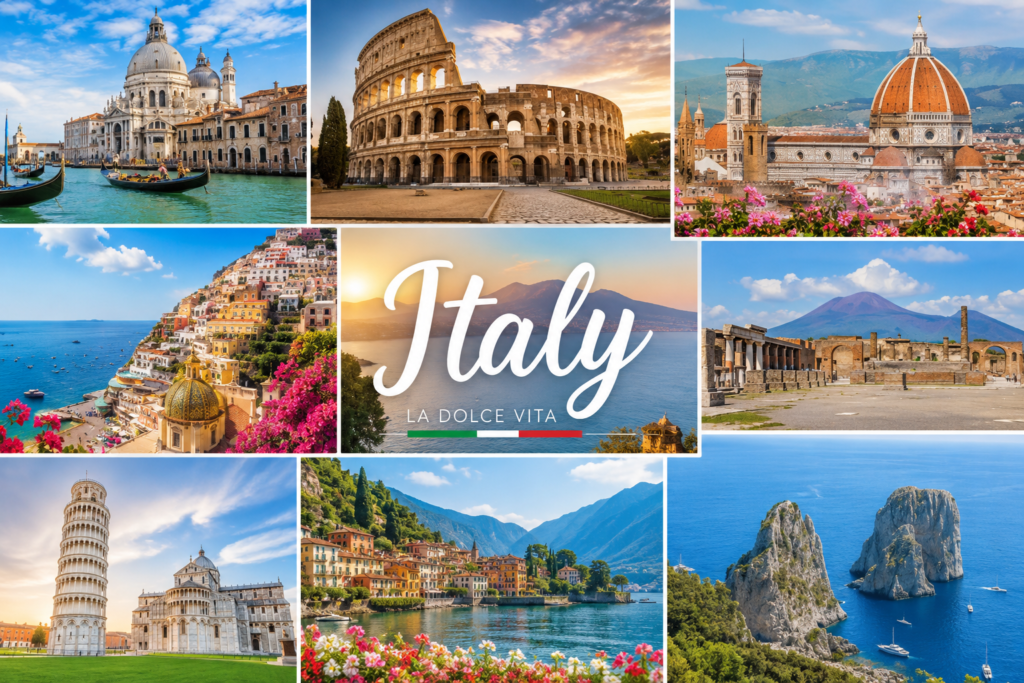
Italy Travel Destinations: Regional Geography and Historical Sites
Italy presents a dense concentration of historical artifacts and distinct regional geography. Evaluating Italy travel destinations requires separating the country into its primary cultural and geological zones. The northern water systems function differently from the southern coastal regions or the central historical hubs. Planning an itinerary demands a fact-based approach to crowd management, seasonal weather patterns, and local transit systems. Reviewing comprehensive international travel guides helps travelers establish realistic timelines for crossing these distinct regions.
Analyzing Rome’s Classical Architecture
Rome anchors the central part of the Italian peninsula. The city operates around preserved classical ruins integrated directly into modern urban infrastructure. The Colosseum and the Roman Forum provide physical evidence of ancient engineering and political organization. The Vatican City exists as an independent sovereign state within Rome’s borders, housing extensive collections of religious art and historical archives.
Summer temperatures regularly exceed comfortable limits for extended outdoor walking. Scheduling site visits for the early morning mitigates heat exposure and reduces wait times at primary access points. The local public transit system relies heavily on a limited subway network, as deep excavations frequently halt upon the discovery of new archaeological layers.
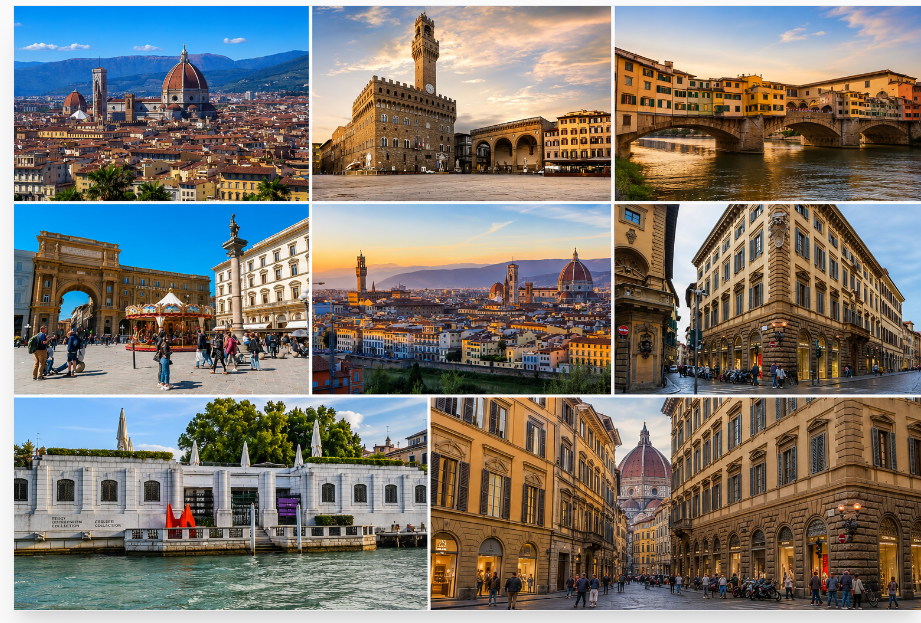
The Renaissance Infrastructure of Florence
Florence serves as the historical center of the Tuscany region. The city layout reflects strict Renaissance urban planning centered around the Arno River. The Uffizi Gallery holds the most significant concentration of Italian Renaissance art globally, demanding advance ticket reservations to manage high daily visitor volumes. The local economy relies heavily on specialized artisan trades, particularly leatherworking and gold crafting near the medieval Ponte Vecchio bridge.
The surrounding Tuscan hills feature distinct clay soil compositions. This specific agricultural environment supports a massive viticulture industry and olive oil production. Day trips into the Chianti region provide direct observation of these historical farming techniques.
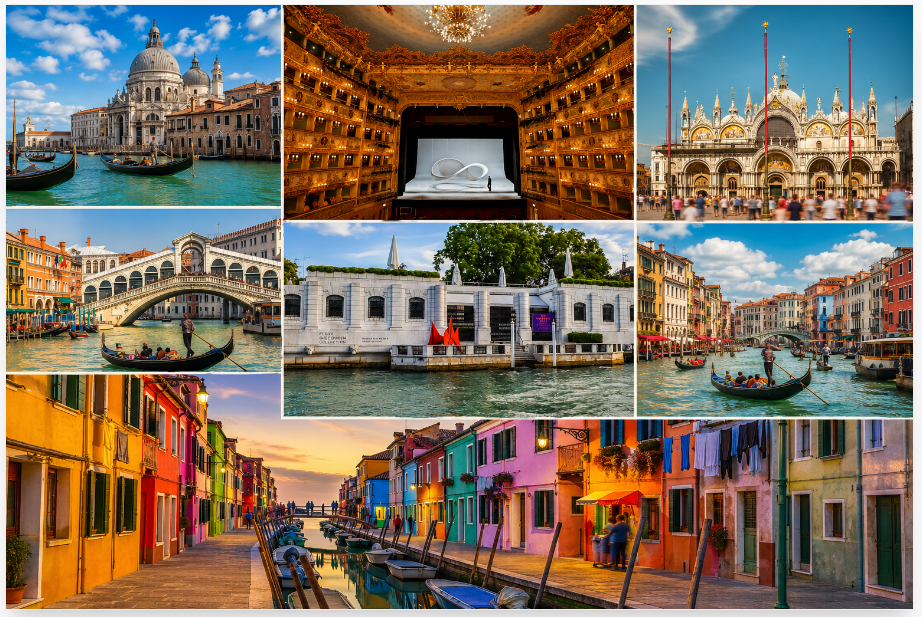
Venetian Lagoon Topography and Transit
The Venetian Lagoon occupies the northeastern edge of the country. Venice consists of over a hundred small islands connected by a system of canals and pedestrian bridges. The complete lack of standard roadways forces all commerce, emergency services, and transit onto the water.
Environmental data shows the city faces ongoing challenges with seasonal high tides, locally called acqua alta. City planners recently activated mobile flood barrier systems to protect the fragile foundational structures from rising sea levels. Consulting the official UNESCO World Heritage Centre records details the massive ongoing conservation efforts required to stabilize the region’s historic buildings against saltwater erosion.
Coastal Dynamics of the Amalfi Peninsula
The Amalfi Coast presents a dramatic geological profile along the southern shoreline of the Sorrentine Peninsula. Steep limestone cliffs drop directly into the Tyrrhenian Sea. Villages like Positano and Ravello sit on narrow, terraced ledges cut directly into the rock face over centuries of human settlement.
The primary coastal road features tight turns and restricted passing zones, making ground transport exceptionally slow during peak summer months. Marine transport offers a highly efficient alternative for moving between the coastal settlements. Ferries operate regular schedules connecting Salerno, Amalfi, and the island of Capri, bypassing the congested cliffside infrastructure entirely.
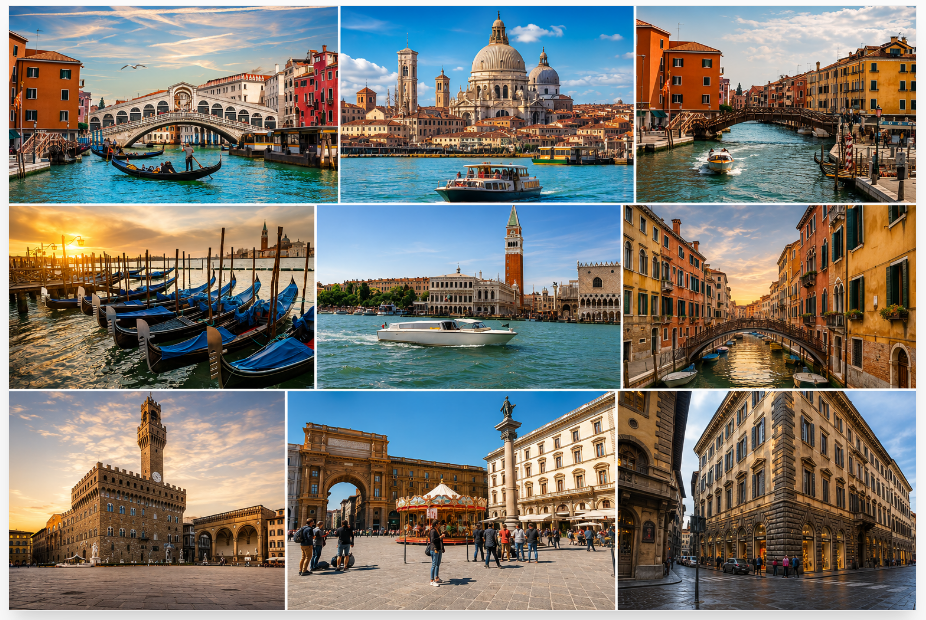
Regional Tourism Data Overview
| Destination | Geographic Region | Primary Focus | Optimal Travel Season |
| Rome | Central Italy | Classical Antiquities | April – May |
| Florence | Tuscany | Renaissance Art | September – October |
| Venice | Veneto Lagoon | Canal Infrastructure | March – May |
| Amalfi Coast | Campania | Coastal Geography | May – June |