

The Cape Winelands in South Africa present a highly competitive luxury hospitality sector. The town of Franschhoek, historically recognized as the culinary capital of the country, attracts affluent international travelers demanding immediate access to premium vineyards and fine dining. Leeu Estates operates as the flagship property of the Leeu Collection, situated on 168 acres of prime mountainside real estate just minutes from the main village. The property functions as a fully operational boutique winery and a highly private, low-density luxury hotel. Analyzing the structural layout, the specific wine operations, and the high-end culinary programming provides a clear assessment of how this estate commands top-tier rates within the Western Cape.
The Architecture And Estate Layout
The physical geography of the estate dictates the entire guest experience. Set against the dramatic backdrop of the Dassenberg mountains, the property integrates manicured gardens, active vineyards, and native fynbos vegetation. The 19th-century Manor House anchors the estate, presenting classic Cape Dutch architectural elements updated with modern, heavy glass fixtures to maximize natural light.
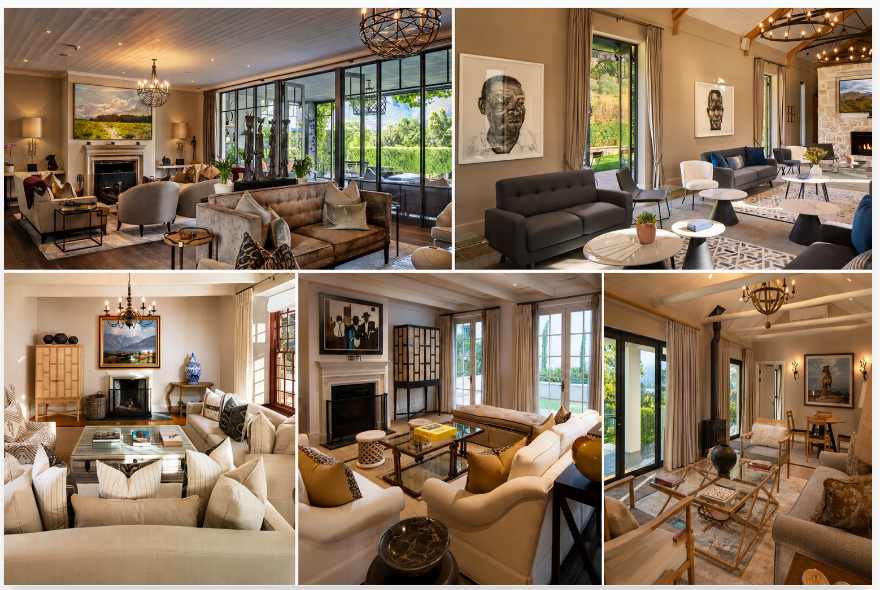
The outdoor spaces receive equal architectural attention. The Bokkie Garden serves as a dedicated meditative green space, while the Four Quarter Vineyards showcase the specific grape varieties grown directly on the property. The estate also functions as an open-air art gallery. Large-scale bronze sculptures and contemporary paintings from prominent South African artists like Angus Taylor and Deborah Bell sit strategically placed throughout the lawns and indoor public spaces. This specific integration of high-end art and viticulture establishes a distinct visual identity separate from older, purely agricultural wine farms.
Evaluating The Accommodations And Cottages
The room inventory remains deliberately small to guarantee high staff-to-guest ratios and absolute privacy. The property features just 23 individually styled rooms, suites, and private cottages. The standard accommodations inside the Manor House and surrounding buildings feature high ceilings, heated marble floors, and massive windows overlooking the valley. The interior design relies on neutral linen tones, heavy wood accents, and high-end technological integrations including high-speed internet and automated climate controls.
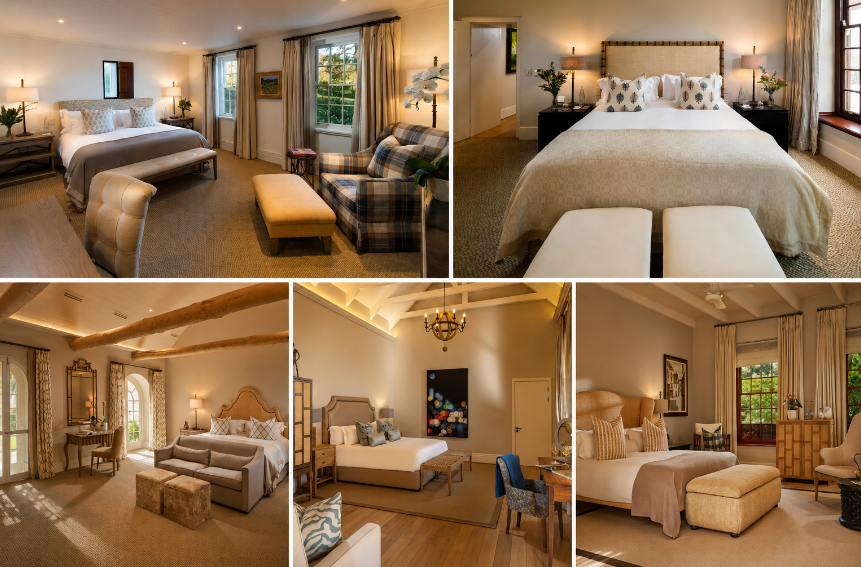
For travelers requiring maximum isolation, the estate offers several freestanding cottages. The Max House and the Protea House function as private residences, featuring up to three bedrooms, dedicated living rooms, fully equipped kitchens, and private gardens. These specific units cater directly to VIPs, corporate executives, and affluent families who want the full service of a luxury hotel without encountering other guests in common hallways. The pricing structure for these multi-bedroom units reflects the massive premium placed on total physical privacy within a highly popular tourist region.
| Accommodation Tier | Base Features | Target Demographic |
|---|---|---|
| Classic & Deluxe Rooms | Marble bathrooms, mountain views, underfloor heating | Couples, short-stay wine tourists |
| Executive Suites | Separate lounge areas, fireplaces, private terraces | Premium leisure travelers |
| Private Cottages (e.g., Max House) | Multiple bedrooms, private gardens, full kitchens | VIPs, large families, extended stays |
The Wine Studio And Mullineux Tasting Experience
A primary operational focus of the property is its direct connection to the Mullineux & Leeu Family Wines portfolio. The Wine Studio, located directly on the estate, serves as the official tasting room for these highly rated vintages. The facility offers structured, tutored tastings guided by dedicated wine hosts.
Guests choose from several specific tasting menus. The Mullineux Signature tasting highlights the old-vine Chenin Blancs and Syrahs sourced from the rugged Swartland region. The Leeu Passant tasting focuses on the flagship portfolio produced right in the Franschhoek valley, featuring Chardonnay, Cabernet Sauvignon, and Cinsault grown in some of the oldest vineyards in the country. The tasting room environment completely avoids the crowded, high-volume bus tour atmosphere found at larger commercial wineries. Tastings operate on a strict reservation system, limiting group sizes to maintain a quiet, educational dialogue between the host and the consumer. Visitors researching our African travel itineraries consistently point to this specific, high-level wine education as a major factor in booking their stay.
Culinary Operations At The Dining Room And La Petite Colombe
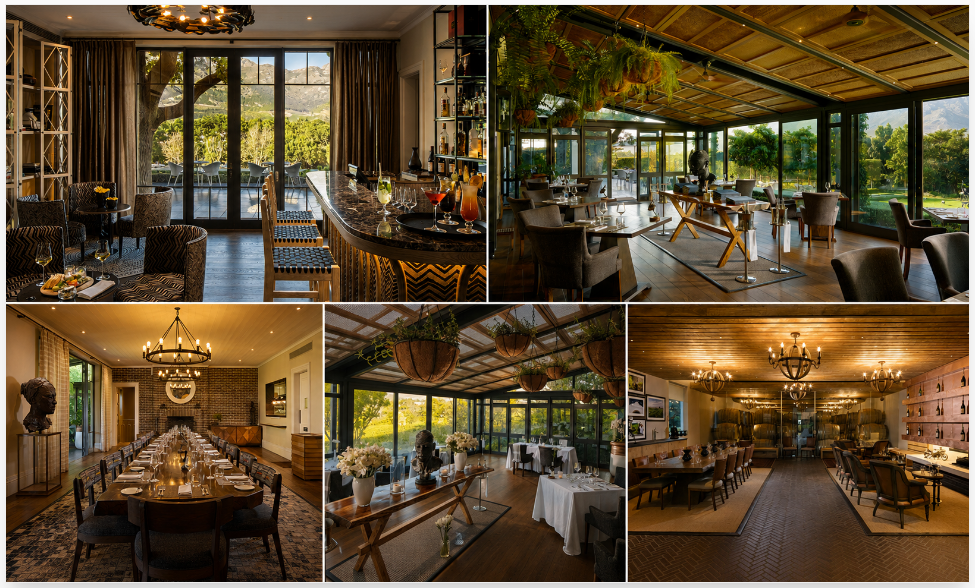
The food and beverage program at Leeu Estates operates at the highest tier of the South African culinary scene. The Dining Room, located inside the Manor House, handles the daily meal services for resident guests. The menu relies entirely on seasonal, hyper-local ingredients. The kitchen staff harvests vegetables and herbs daily from the estate’s own organic gardens. This direct farm-to-table supply chain guarantees absolute freshness and limits the carbon footprint of the food operations.
The estate also hosts La Petite Colombe, a completely independent dining venue that regularly ranks among the top restaurants on the African continent. This specific restaurant requires reservations months in advance and offers a highly choreographed, multi-course tasting menu. The food presentation involves complex modern techniques, dry ice, and interactive table-side plating. Having a restaurant of this caliber located directly on the hotel grounds means guests can execute a world-class dining experience and walk back to their suites without navigating the dark, winding mountain roads of the valley at night.
Leeu Spa And Wellness Integration
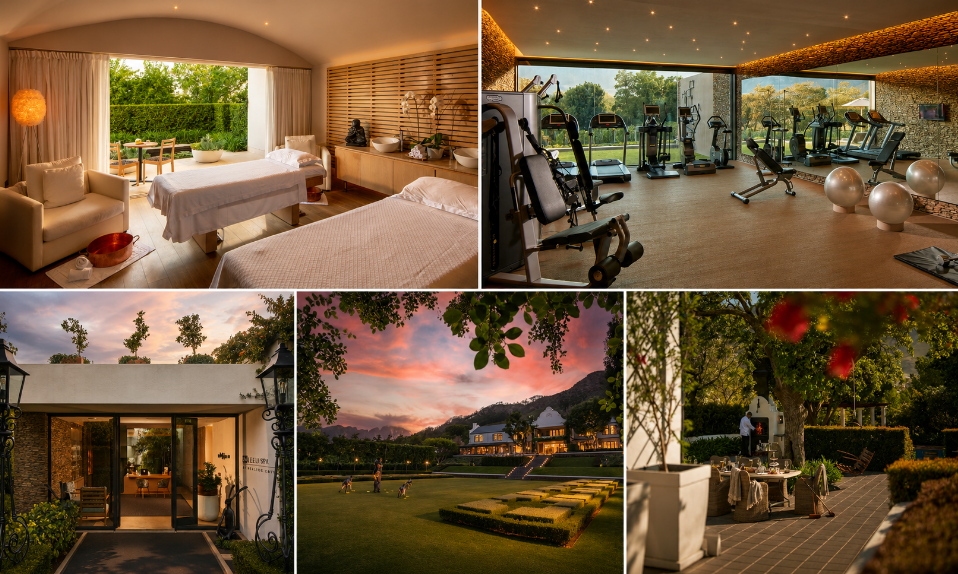
The property dedicates significant square footage to physical recovery and wellness. The Leeu Spa by Healing Earth operates as a standalone facility offering treatments based entirely on traditional African rituals and locally sourced minerals. The signature vinotherapy treatments utilize extracts from the South African Pinotage grape, connecting the spa menu directly back to the agricultural roots of the estate.
The physical infrastructure of the spa includes specialized couples treatment rooms, a steam room, a plunge pool, and a 49-foot infinity pool facing the mountains. The quiet zone surrounding the spa buildings enforces strict noise limits, ensuring complete relaxation. The integration of a fully equipped, 24-hour fitness center allows international travelers to maintain their physical routines while adjusting to severe time zone changes. For objective assessments of these premium wellness facilities, organizations like the Forbes Travel Guide provide detailed annual ratings confirming the operational standards executed here.
Analyzing The Market Position In The Cape Winelands
Evaluating Leeu Estates requires looking at its exact position within the broader Franschhoek hospitality market. The town features dozens of guesthouses and historic hotels. Leeu Estates deliberately distances itself from the busy main street, opting for physical elevation and strict gate security.
The hotel provides complimentary shuttle service down into the village for guests who want to explore the local boutiques or dine at the sister property, Le Quartier Français. This logistical setup provides the exact optimal balance: total rural silence at night with immediate, frictionless access to urban amenities during the day. By controlling the wine production, the culinary venues, and the luxury accommodations on a single massive plot of land, the management team controls every single variable of the guest experience. This vertically integrated hospitality model justifies the premium pricing and secures the estate’s position as a dominant force in the South African luxury travel sector.