
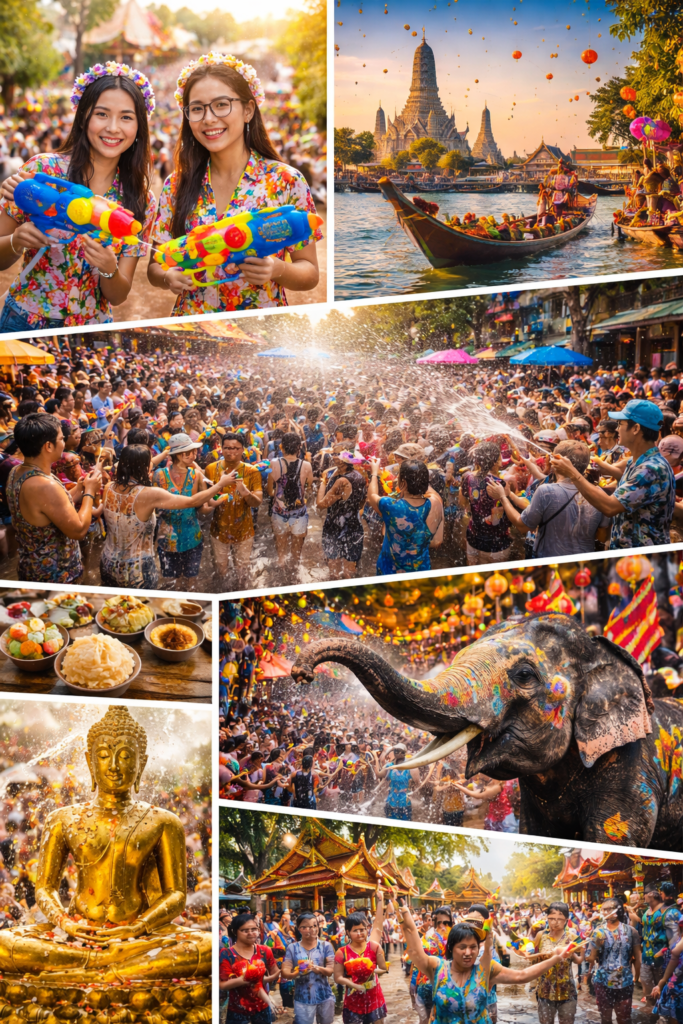
April in Thailand brings a phenomenal transformation. The streets erupt in a chaotic symphony of laughter, splashing water, and vibrant cultural displays. Songkran, the traditional Thai New Year, has evolved from a quiet holiday of ritual cleansing into the world’s most famous water festival. However, participating in the 2026 celebrations requires more than just a water gun and a smile; it demands strategic planning, cultural awareness, and a keen understanding of the newly enforced safety regulations.
The Cultural Undercurrents of the Water Festival
To fully appreciate Songkran, one must look past the neon plastic water cannons and understand its deeply rooted cultural significance. Historically, the festival marked the beginning of the solar calendar, symbolizing rebirth, renewal, and the washing away of misfortune. The traditional practice involved gently pouring fragrant water over the hands of elders and bathing Buddha statues in local temples to secure blessings for the year ahead.
Today, that gentle pouring has escalated into nationwide aquatic warfare. While the modern iteration is undoubtedly exhilarating, it can easily overwhelm the unprepared traveler. The juxtaposition of serene temple rituals in the morning and frantic street battles in the afternoon is precisely what makes the festival so unique. Engaging with both sides of the celebration offers a much richer experience. Participating in morning merit-making ceremonies provides a grounding perspective before you step into the vibrant madness of areas like Bangkok’s Silom Road or Chiang Mai’s Tha Phae Gate. If you are incorporating this festival into your broader extended stays in Southeast Asia, balancing the cultural weight with the sheer adrenaline of the event is the key to a memorable trip.
Strategic Planning for the Discerning Traveler
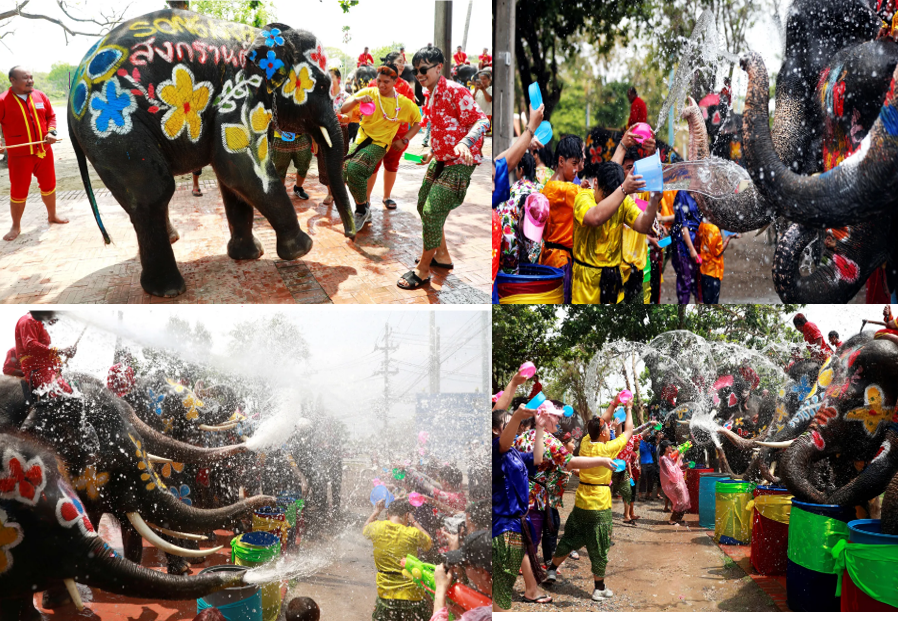
Timing and location dictate the kind of Songkran experience you will have. While the official national public holiday spans from April 13 to April 15, the reality on the ground is much more fluid. Different regions interpret the calendar loosely, extending the festivities to draw in tourism and prolong the economic boost. Choosing your base of operations is the most critical decision you will make.
| Destination | 2026 Dates | Vibe & Experience |
| Bangkok (Khao San / Silom) | April 13–15 | High-intensity urban water battles, dense crowds, and strict security zones. |
| Chiang Mai (Old City Moat) | April 12–16 | Traditional cultural processions blending seamlessly with prolonged street festivities. |
| Pattaya (Wan Lai Festival) | April 11–20 | Extended coastal celebrations stretching late into the month, catering heavily to nightlife. |
| Koh Samui (Chaweng Beach) | April 13–15 | Island-style festivities combining beachfront relaxation with energetic daytime splashing. |
For travelers seeking a balanced environment, Chiang Mai offers a remarkable synthesis of heritage and excitement. The ancient city moat becomes a natural epicenter for the water fights, while the surrounding temples remain bastions of the older, quieter traditions. Conversely, those looking to maximize their time in the chaos might prefer Pattaya, where the unique Wan Lai festival ensures the water keeps flowing long after the capital has dried off.
Navigating the 2026 Regulatory Landscape
This year, authorities have taken significant steps to mature the festival and mitigate its historical drawbacks. The Royal Thai Police have actively implemented a framework of regulations designed to curb accidents and maintain public order. This “Safe Songkran” initiative is not merely a suggestion; it is backed by strict enforcement and substantial fines.
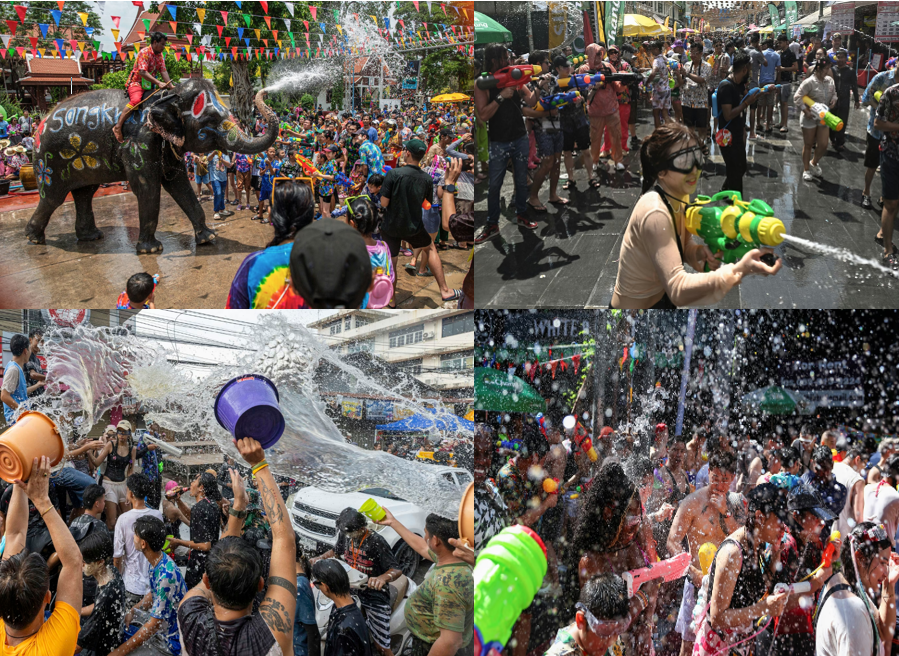
Travelers must be acutely aware of the safety codes heavily publicized during this cycle. Consent is now a heavily emphasized legal principle. Splashing individuals who are clearly not participating—such as people in business attire or those carrying expensive electronics—is strongly condemned. Furthermore, the 2026 rules completely prohibit the use of high-pressure PVC water cannons, which have caused severe eye injuries in the past. Getting caught with one can result in immediate confiscation and fines reaching up to 4,000 baht.
The environment within designated safe zones is also highly regulated. Smearing cooling powder on strangers’ faces without consent, once a ubiquitous festival prank, is now heavily fined, as is wearing overly revealing clothing in public spaces. Alcohol sales are rigidly restricted to specific legal hours, and any form of street harassment carries severe penalties. To stay continually updated on regional guidelines, consulting the Tourism Authority of Thailand provides a reliable baseline for compliant travel planning.
Safety First During the Seven Dangerous Days
The most pressing concern during Songkran has nothing to do with water; it is the traffic. The holiday period is infamous nationwide as the “Seven Dangerous Days” of driving. Millions of citizens return to their home provinces, leading to congested highways and, unfortunately, a severe spike in road accidents.
Your transportation strategy must reflect this reality. Renting a motorcycle during Songkran week is highly unadvisable, even for experienced riders. Wet roads, erratic drivers, and the sudden shock of a bucket of ice water thrown from the roadside create a lethal combination. Instead, rely heavily on mass transit. In Bangkok, the BTS Skytrain and MRT underground networks are the safest, most efficient ways to navigate the city, bypassing the gridlocked and drenched streets below. If you must use private cars or taxis, allow for double your usual transit time and arrange to be dropped off on the periphery of major celebration zones rather than attempting to drive through them.
Essential Gear and Tactical Logistics
Thriving at Songkran requires treating your daily excursions like minor expeditions. Your smartphone, passport, and cash are in constant jeopardy the moment you step outside. Do not rely on water-resistant claims from electronics manufacturers; the sheer volume and pressure of water involved in these street fights will breach most factory seals.
Investing in high-quality, specialized dry bags is non-negotiable. A reliable two-layer system—a tightly sealed waterproof pouch for your phone on a sturdy lanyard, tucked inside a waterproof cross-body bag for your daily cash and hotel key—provides necessary redundancy. Leave your original passport securely locked in your hotel safe, carrying only a laminated photocopy for identification.
Footwear also demands careful consideration. While flip-flops seem intuitive for a water festival, they become dangerous slip hazards on slick, tiled sidewalks. Opt for lightweight, quick-drying trainers with aggressive grip. Finally, remember that April is typically the hottest month in Thailand. The refreshing shock of ice water can mask the onset of severe sunburn or heat exhaustion. Protective eyewear, a wide-brimmed hat, and frequent retreats into air-conditioned malls are vital strategies to ensure you survive the festival with your health, your valuables, and your sense of humor entirely intact