
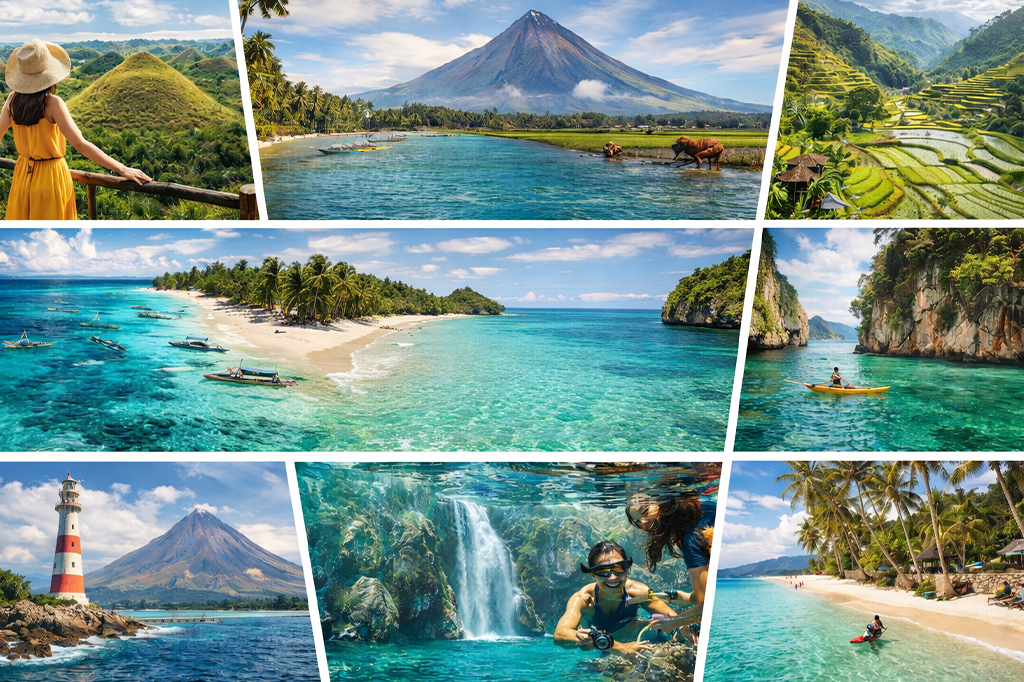
Few destinations in Southeast Asia capture the imagination of travelers quite like the Philippines. With more than 7,600 islands scattered across turquoise waters, the country offers an extraordinary mix of tropical beaches, volcanic landscapes, centuries-old culture, and welcoming communities. For decades, its tourism campaign—“It’s More Fun in the Philippines”—has reflected not just marketing optimism but the genuine experience many visitors discover once they arrive.
Unlike more crowded destinations in the region, the Philippines often surprises travelers with its diversity. A single trip can include island-hopping through limestone lagoons, exploring Spanish-era cities, diving in coral reefs, and trekking through mountain landscapes that feel far removed from the tropical coastlines.
Tourism numbers continue to grow steadily as global travelers discover what locals have long known: the Philippines offers some of the most spectacular scenery in the Pacific. According to the Philippine tourism statistics from the World Tourism Organization, international travel to the country has rebounded strongly in recent years, reflecting increasing interest in its beaches, islands, and natural heritage.
For travelers considering a visit, these eight destinations represent some of the most remarkable places that make the Philippines such a compelling travel destination.
The Destinations That Define Travel in the Philippines
While the Philippines offers thousands of islands to explore, a handful of destinations consistently stand out for their natural beauty, cultural importance, and travel experiences.
| Destination | Region | What Makes It Famous |
|---|---|---|
| El Nido | Palawan | Dramatic limestone cliffs and turquoise lagoons |
| Boracay | Aklan | Powdery white sand beaches and vibrant nightlife |
| Cebu | Central Visayas | Historic landmarks and island diving sites |
| Siargao | Surigao del Norte | World-renowned surfing destination |
| Bohol | Central Visayas | Chocolate Hills and tarsier sanctuaries |
| Coron | Palawan | Crystal-clear lagoons and WWII shipwreck diving |
| Banaue | Ifugao | Ancient rice terraces carved into mountains |
| Sagada | Mountain Province | Hanging coffins and misty mountain scenery |
These locations represent different sides of the country—from coastal paradise to cultural heritage sites—giving travelers a wide range of experiences within one destination.
El Nido: The Jewel of Palawan

El Nido frequently appears on lists of the world’s most beautiful coastal landscapes. Towering limestone cliffs rise from clear blue water, forming a maze of hidden lagoons and secluded beaches.
Island-hopping tours are the primary attraction, allowing visitors to explore remote coves, coral gardens, and pristine sandbars accessible only by boat. The dramatic geography has made El Nido a favorite among photographers, divers, and travelers seeking scenery that feels almost untouched.
Boracay: The Island That Perfected the Beach Escape

Boracay has long been considered one of Asia’s most famous beach destinations. Its four-kilometer stretch of powdery white sand—known as White Beach—remains one of the most photographed coastlines in the region.
Following environmental restoration efforts in recent years, Boracay now balances tourism with sustainability. The island offers upscale resorts, water sports, and sunset sailing, while still maintaining the relaxed tropical atmosphere that originally made it famous.
Cebu: Where History Meets Island Adventure

Cebu occupies a unique place in Philippine travel because it blends historical landmarks with coastal adventure. As one of the country’s oldest cities, Cebu played a central role in early Spanish colonization and maritime trade routes.
Visitors can explore historic sites such as Magellan’s Cross and the Basilica del Santo Niño before venturing to nearby islands known for diving and snorkeling. Whale shark encounters in Oslob and waterfalls in Kawasan Canyon have also made Cebu a favorite for adventure travelers.
Siargao: The Surfing Capital of the Philippines

For years, Siargao remained one of the Philippines’ best-kept secrets. Today it has gained international attention as one of the top surfing destinations in Asia.
The island’s famous Cloud 9 break attracts surfers from around the world, while its laid-back atmosphere appeals to travelers seeking a slower pace of island life. Coconut palm forests, tidal pools, and small fishing villages give Siargao a charm that extends well beyond its surf culture.
Bohol: Natural Wonders and Unique Wildlife

Bohol is known for one of the most unusual geological landscapes in Southeast Asia—the Chocolate Hills. These more than 1,200 symmetrical hills turn brown during the dry season, creating a surreal terrain that has become one of the Philippines’ most recognizable natural landmarks.
The island is also home to the Philippine tarsier, one of the world’s smallest primates. Conservation sanctuaries allow visitors to see these remarkable animals while supporting efforts to protect their habitat.
Coron: A Diver’s Paradise

Coron, located in northern Palawan, offers some of the most dramatic underwater landscapes in Asia. The area gained international recognition for its collection of Japanese shipwrecks sunk during World War II, which have since become popular dive sites.
Above the surface, Coron’s limestone islands and emerald lagoons create an equally impressive environment for kayaking, snorkeling, and photography.
Banaue: Ancient Engineering in the Mountains

Far from the tropical beaches of the Philippines lies one of its most remarkable cultural landmarks. The Banaue Rice Terraces, carved into the mountains of Ifugao more than 2,000 years ago, remain one of the greatest examples of ancient agricultural engineering.
Often called the “Eighth Wonder of the World,” these terraces continue to support local farming communities while offering travelers an extraordinary glimpse into the country’s indigenous heritage.
Sagada: Mystical Landscapes and Cultural Traditions

Sagada provides a dramatically different travel experience from the country’s coastal destinations. Located high in the mountains of northern Luzon, the town is known for its cool climate, mist-covered valleys, and ancient burial traditions.
The famous hanging coffins suspended from limestone cliffs reflect centuries-old cultural practices that continue to fascinate visitors. Nearby caves and mountain viewpoints also make Sagada a destination for hikers and cultural explorers.
Why Travelers Keep Returning to the Philippines
What makes the Philippines stand out is not just its natural beauty but the diversity of experiences available across its islands. Travelers can move from world-class beaches to historic cities, from coral reefs to mountain villages, often within the same trip.
Equally important is the warmth of Filipino hospitality, which many visitors cite as one of the most memorable parts of their journey. Combined with breathtaking landscapes and unique cultural traditions, it’s easy to understand why so many travelers return again and again.
For those exploring tropical destinations around the world, comparing island experiences can be helpful when planning future trips. Our guide to hidden coastal towns highlights lesser-known seaside escapes that share the same peaceful charm many travelers appreciate in the Philippines.
Ultimately, the phrase “It’s More Fun in the Philippines” reflects something deeper than a slogan. Across thousands of islands, travelers discover landscapes, traditions, and experiences that continue to make the country one of the most captivating destinations in the world.