

The 2026 FIFA World Cup is set to become one of the most influential global sporting events in history—and Mexico is right at the center of it. As a co-host alongside the United States and Canada, Mexico is preparing to welcome millions of international visitors, marking a defining moment for its tourism industry. This isn’t just about football. The World Cup is a catalyst for economic growth, infrastructure development, and global visibility. From stadium cities to coastal getaways, the impact will ripple far beyond the matches themselves, reshaping how travelers experience Mexico in 2026 and beyond.
The Global Impact of the 2026 FIFA World Cup
The 2026 FIFA World Cup is set to redefine global sports tourism as the largest edition in history, featuring an expanded format and drawing billions of viewers worldwide. For Mexico, this moment represents a powerful opportunity to showcase its culture, hospitality, and diverse travel experiences on an unprecedented global stage.
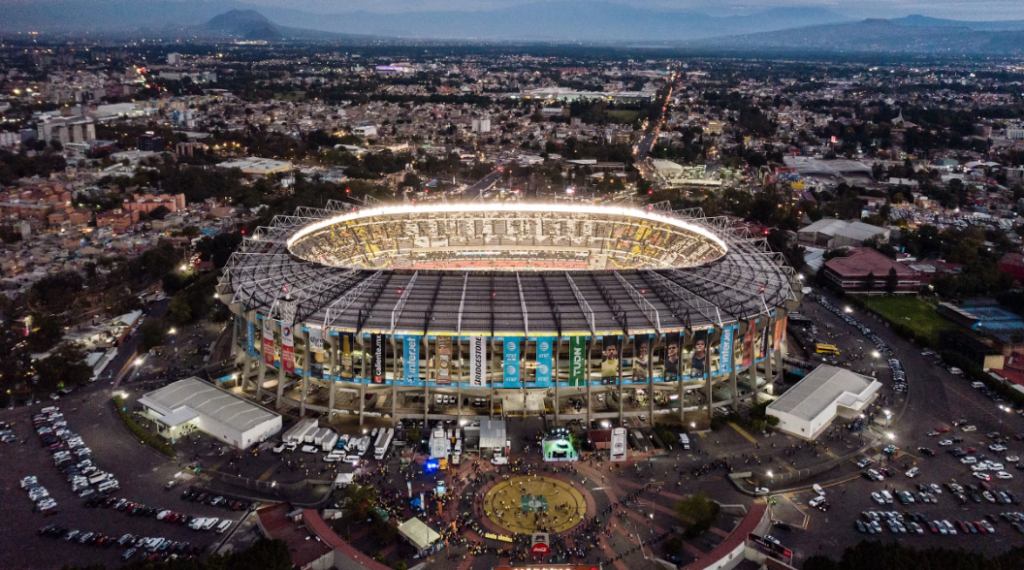
This tournament is expected to accelerate the rise of sports tourism, where fans travel not only to attend matches but also to explore destinations beyond stadiums. The fusion of football and leisure travel will play a central role in driving visitor growth, boosting local economies, and strengthening Mexico’s position as a top global destination.
Why Mexico Will See a Massive Tourism Surge
Millions of International Visitors
The World Cup is projected to bring an extraordinary influx of fans, media, and global travelers. Demand for flights, accommodations, and tourism services is already rising, signaling a significant economic boost across multiple sectors.
Unmatched Global Media Exposure
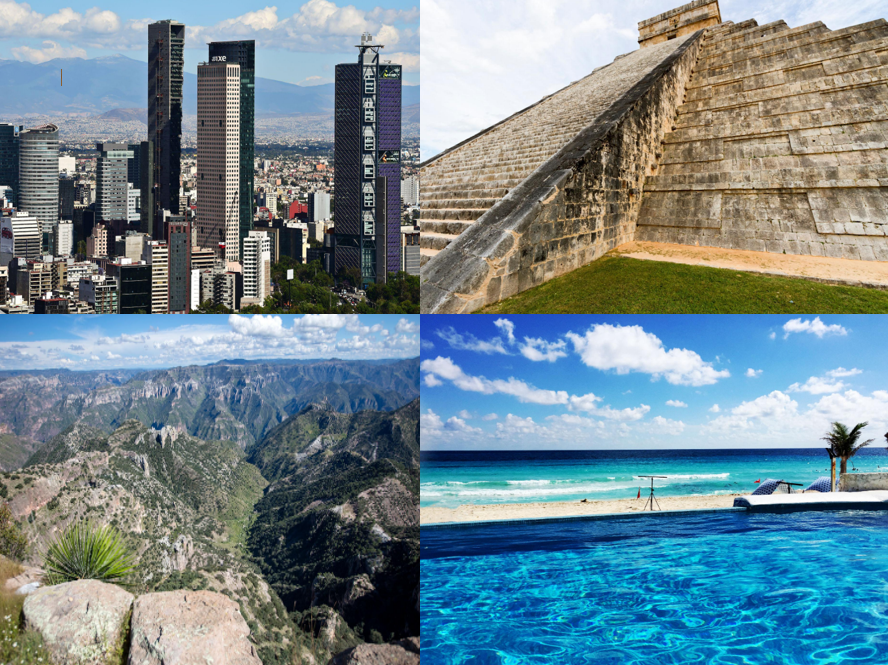
With billions tuning in worldwide, Mexico’s iconic destinations—from colonial cities to coastal resorts—will gain unparalleled visibility, enhancing the country’s global tourism appeal long after the tournament ends. Visitors are expected to go beyond host cities, extending their stays to explore renowned destinations such as Cancún and Los Cabos, along with cultural and heritage-rich regions across the country. This extended travel behavior will amplify tourism revenues and distribute economic benefits nationwide.
Host Cities Leading the Transformation
Mexico City
As the capital, Mexico City will play a central role. With iconic stadiums, rich history, and a booming food scene, it offers a complete urban experience for visitors.
Guadalajara
Known for its deep football culture, Guadalajara combines tradition with modern tourism appeal, making it a key destination during the tournament.
Monterrey
A modern, business-driven city, Monterrey is investing heavily in infrastructure and hospitality to accommodate global visitors.
Infrastructure Upgrades Across Mexico
To handle the expected surge, Mexico is rapidly upgrading its infrastructure. Major airports are expanding capacity, public transportation systems are being improved, and highways are being modernized.
Hotels and accommodations are also growing, from luxury resorts to short-term rentals. Stadiums in host cities are undergoing renovations to meet international standards, ensuring a world-class experience for fans.
Economic Impact, Opportunities & Travel Trends During World Cup 2026
The 2026 FIFA World Cup is expected to deliver a major economic boost to Mexico, with tourism revenue surging across hospitality, transportation, and retail sectors. Millions of visiting fans will create new jobs and drive demand for services, while local businesses—from restaurants to tour operators—benefit from increased foot traffic. Beyond 2026, the global exposure from hosting the event is likely to sustain long-term tourism growth.
At the same time, the tournament is opening up significant opportunities within the tourism industry. Sports tourism is rapidly expanding, attracting a new wave of international travelers. Luxury and experiential travel are also on the rise, with high-end packages, VIP match access, and curated cultural tours becoming more popular. Additionally, regions beyond the main host cities are set to gain attention, as visitors explore nearby beaches, cultural destinations, and natural attractions.
However, this rapid growth comes with challenges. Major cities may face overcrowding, rising accommodation prices, and increased pressure on infrastructure. Ensuring smooth logistics, maintaining safety, and delivering high-quality services will be essential to handling the surge effectively.
Travel trends during the World Cup are also evolving, with many visitors planning multi-city trips to experience different host locations. Short-term rentals are expected to see a significant boom, while fan zones and live screenings will expand entertainment options beyond stadiums. Digital, mobile-first bookings will dominate travel planning, reflecting how modern travelers organize their World Cup experience.
Travel Tips for Visiting Mexico During the World Cup
- Book early: Flights and accommodations will sell out quickly
- Plan transportation: Expect heavy demand between cities
- Explore beyond host cities: Discover less crowded destinations
- Budget wisely: Prices may rise during peak match periods
Conclusion: A Game-Changer for Mexico Tourism
The 2026 FIFA World Cup is more than a sporting event—it’s a transformative opportunity for Mexico. From infrastructure upgrades to global exposure, the country is positioning itself as a leading destination for international travel.
As millions of visitors arrive, Mexico will not only showcase its passion for football but also its rich culture, diverse landscapes, and world-class hospitality. For travelers, 2026 offers a once-in-a-lifetime chance to experience Mexico at the center of the global stage.