
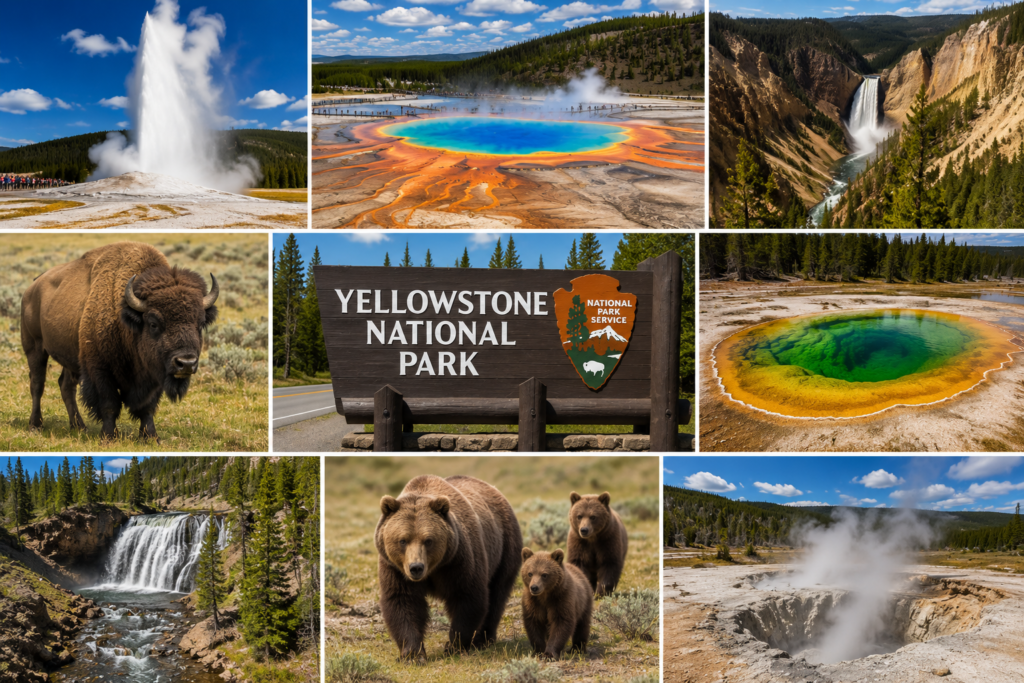
Thermal Wonders of the Park
Yellowstone spans over 2.2 million acres of hydrothermal features, alpine forests, and volcanic terrain. Visitation recently reached near-record highs, with 2025 logging over 4.76 million visitors. Planning a successful trip requires recognizing the shifting realities of park access, updated fee structures, and strict safety regulations.
Managing Arrivals And Updated Park Fees
Entering the park looks different this season for international tourists. The National Park Service implemented a new pricing model for the 11 most-visited parks, including Yellowstone. Foreign visitors aged 16 and older face a $100 per-person surcharge. The annual America the Beautiful pass for non-U.S. citizens increased from $80 to $250. Domestic visitors maintain the standard $35 per-vehicle weekly pass rate.
| Visitor Category | 2026 Entrance Fee Structure |
| Standard U.S. Vehicle | $35 (Valid for 7 days) |
| U.S. Citizen Annual Pass | $80 (America the Beautiful) |
| Foreign Visitor Surcharge | $100 per person (Ages 16+) |
| Foreign Visitor Annual Pass | $250 (America the Beautiful) |
Securing lodgings or campsites inside the park requires booking up to a year in advance. Many travelers secure basecamps in surrounding gateway communities like West Yellowstone or Gardiner. If you are reviewing your overall retirement travel plans or looking for road trip ideas, visiting thesilverliners.org can help you map out a broader regional itinerary.
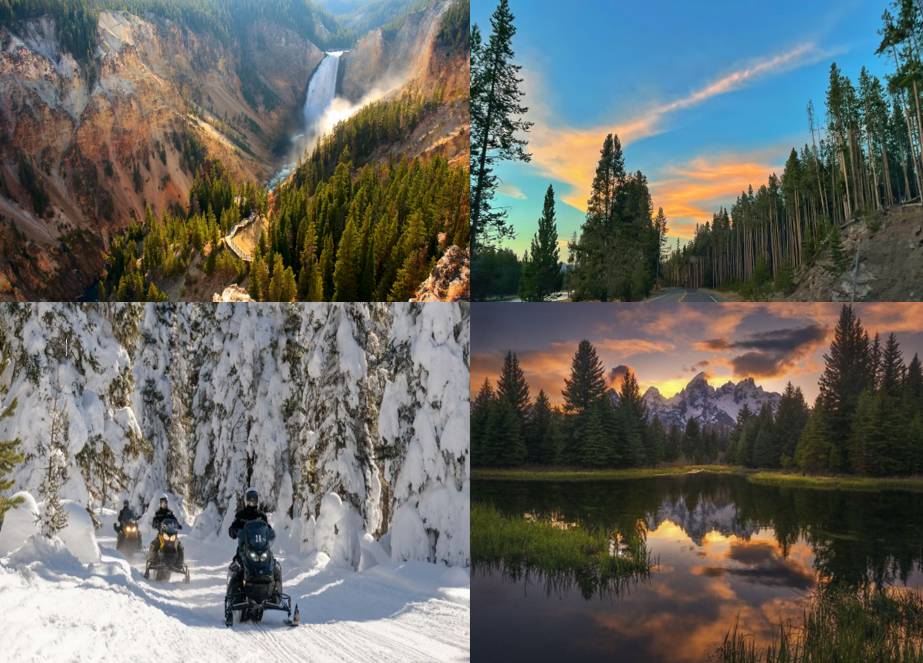
Geological Marvels Across The Caldera
The park sits atop an active supervolcano, powering over 10,000 hydrothermal features. The Upper Geyser Basin contains the highest concentration of active geysers in the world. Old Faithful erupts with predictable regularity, drawing large crowds throughout the day. Viewing this feature early in the morning or late in the evening provides a quieter experience.
A short drive north leads to the Midway Geyser Basin, home to the Grand Prismatic Spring. The vivid thermophile bacteria create striking bands of orange, yellow, and green around the deep blue center. The best vantage point is the Grand Prismatic Spring Overlook via the Fairy Falls trail. Visitors must stay strictly on the designated boardwalks. The geothermal crust is thin and fragile. Leaving the path presents severe burn risks.
Wildlife Safety And Observation Protocols
Yellowstone functions as an intact ecosystem supporting grizzly bears, black bears, gray wolves, and free-ranging bison herds. Observing these animals is a primary draw for visitors. Treating the wildlife with immense respect is non-negotiable. Park regulations require staying at least 100 yards away from bears and wolves, and 25 yards away from all other animals, including bison and elk.
A minor bear incident in May 2026 serves as a direct reminder that these animals are unpredictable predators. Carrying EPA-approved bear spray is highly recommended for anyone hiking outside developed areas. Knowing how to deploy the spray quickly can prevent tragedy. Visitors must never approach wildlife for photographs or feed any animals. For detailed safety information and current trail closures, consult the official National Park Service website before your arrival.
Federal law protects the natural elements within the park boundaries. Taking items like rocks, antlers, or feathers is illegal. Possessing a bald eagle feather, even one found on the ground, carries massive federal fines and potential prison sentences. Leave everything exactly as you found it.
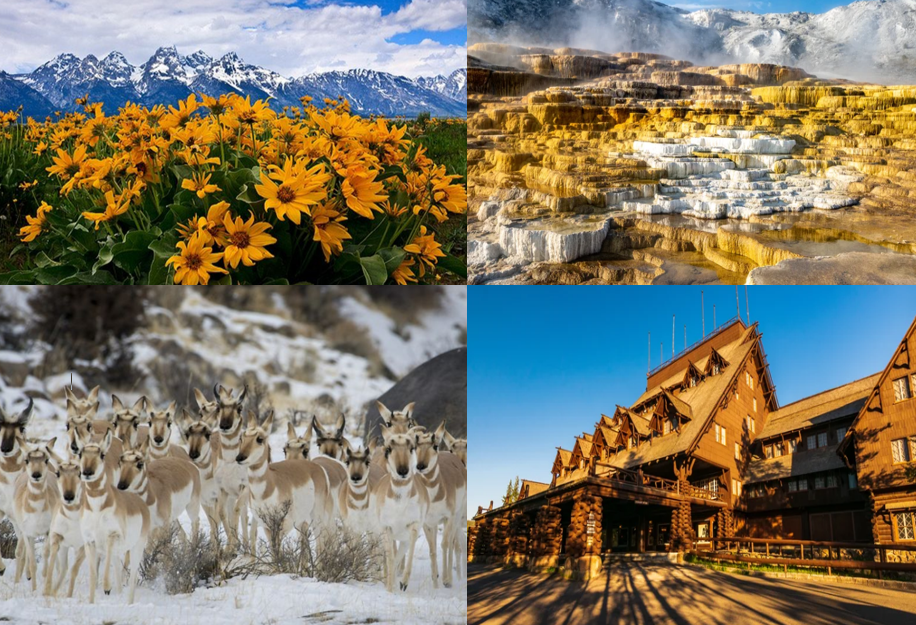
Strategic Itinerary Planning For High Season
Traffic congestion is a reality during July and August. The Grand Loop Road forms a figure-eight pattern through the center of the park, connecting the major attractions. Driving the entire loop in a single day is exhausting and limits your time at individual sites.
A better approach splits the park into distinct regions over three to four days. Dedicate one day entirely to the southern thermal basins and another to the northern tier, including Mammoth Hot Springs and the Lamar Valley. The Lamar Valley is widely considered the best location for spotting wolves and bears at dawn or dusk. Arriving at the entrance gates before 7:00 AM helps you bypass the longest lines and secure parking at popular trailheads. Pack lunches and water in a hard-sided cooler. Dining options within the park frequently have long wait times during the lunch rush.