
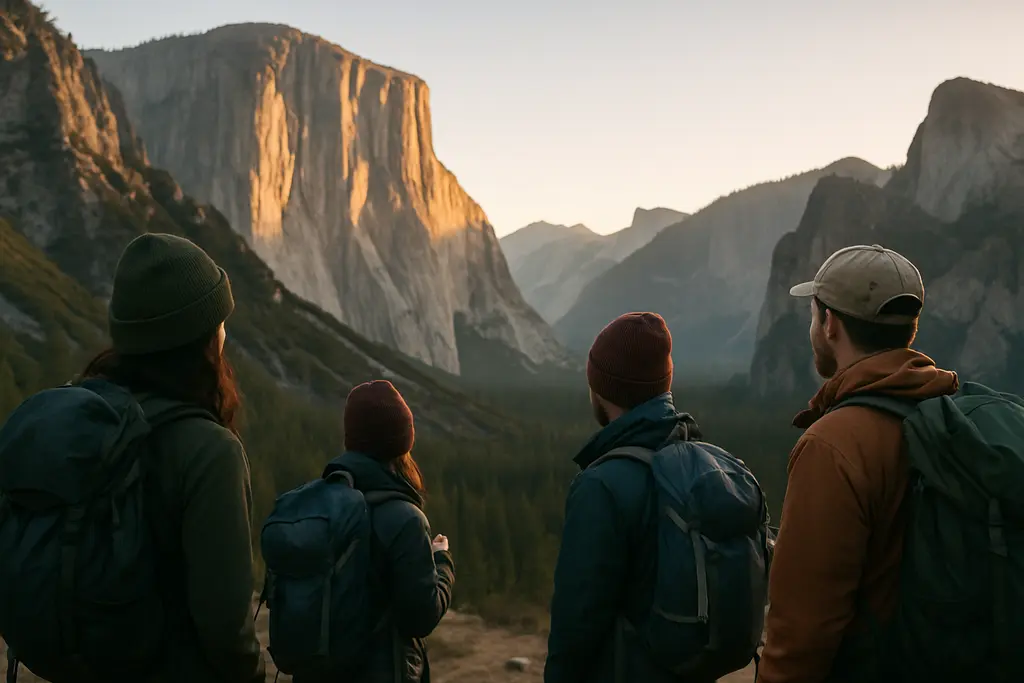
Yosemite Access Control in 2026 is less about securing a timed-entry slot and more about reacting to conditions before you reach the gate. As of August 25, 2026, Yosemite National Park has paused its general day-driving entrance reservation requirement. That change removes one planning barrier, but it does not remove the practical friction of peak visitation: entrance lines, full parking areas, road alerts, and crowded trails still shape the visitor experience.
How Yosemite Access Control Changed In 2026
Yosemite Access Control Without Timed Entry
The central policy shift is clear: Yosemite ended its entrance reservation requirement for general day-driving access in 2026. The National Park Service says the pause followed analysis of 2025 conditions, including stable traffic, weekday parking availability, and visitation within capacity, according to the NPS reservation update. For day visitors, that means no timed-entry reservation or peak-hours reservation is required for general driving access through the park entrance stations in 2026.
The practical effect of Yosemite Access Control is now operational rather than reservation-based. Instead of checking whether your arrival window is valid, you need to check whether traffic, parking, and road conditions support the trip you have planned. The park is using real-time traffic monitoring, active parking management in Yosemite Valley, seasonal staffing at key roads and intersections, and traveler information tools to respond to congestion as it forms.
What Still Requires A Reservation Or Permit
The end of day-use entrance reservations does not mean every Yosemite activity is open without advance booking. Visitors still need to pay the standard entrance fee or use a valid interagency pass. Overnight use remains a separate category: campground reservations and wilderness permits are still required where applicable. Lodging reservations are available up to 366 days in advance, while campground reservations often open about five months ahead.
That distinction matters for travelers building a park trip around more than a day drive. A visitor entering for a few hours does not need a 2026 timed-entry reservation, but a visitor sleeping in the park must still secure the correct overnight arrangement. Treat those systems as separate checks: entrance access, overnight lodging or camping, wilderness permits, and live road conditions.
Reading Real-Time Signals Before You Drive
Text Alerts And Traffic Updates
Yosemite’s official traffic tools deserve a place in trip planning because the park sees over 4 million visitors annually, with especially high concentrations from April through September. The National Park Service says delays of one hour or more at entrance stations are common at peak times. Visitors can sign up for real-time traffic updates by texting “ynptraffic” to 333111; alerts cover entrance wait times, parking availability, and congestion, as described on the NPS traffic page.
Those alerts are not a substitute for a plan, but they can prevent a poor decision from becoming a full-day delay. If an entrance station is backed up or Yosemite Valley parking is nearing capacity, the most practical response may be to delay arrival, adjust the order of stops, or choose a lower-demand area if road access and conditions allow. The park’s shift rewards visitors who can make decisions before they are locked into a traffic queue.
Parking Management In Yosemite Valley
Active parking management in Yosemite Valley is one of the clearest signs that the 2026 system is not a return to unstructured access. Parking supply remains finite, and high-demand days can still fill key areas. Once lots are full, drivers may spend substantial time circulating rather than walking, hiking, or using shuttle connections where available.
A cautious planning approach starts with accepting that parking is a variable condition, not a fixed guarantee. Build your day around arrival timing, road status, and the possibility that your preferred Valley parking area may not be available. For travelers comparing road access with flight logistics before a longer California trip, it is valuable to explore related aviation planning resources, such as with Vision Airlines, to effectively coordinate the air-travel portion of their journey without replacing the need to verify Yosemite’s live ground conditions.
Planning Around High-Demand Days

Weekends, Holidays, And Seasonal Pressure
The removal of timed-entry reservations can increase convenience for spontaneous day visitors, but it also shifts more responsibility to the traveler. Without reservation caps for general day use, Yosemite expects longer entrance lines, fuller parking lots, heavier traffic, and busier trails during high-demand days, especially weekends and holidays. That is not a reason to avoid the park; it is a reason to plan with more margin than a reservation-based system might have required.
- Check official traffic and road updates before leaving lodging, not only at the park boundary.
- Arrive outside the heaviest demand periods where your schedule allows.
- Keep a secondary plan if Yosemite Valley parking is full.
- Separate day-entry rules from campground, wilderness, and lodging requirements.
- Allow extra time at entrance stations during April through September and on holidays.
The February–March “Firefall” period also passed in 2026 without a general day-use reservation requirement. That detail is useful for understanding the policy direction, but it should not be read as a promise that every future year will follow the same pattern. Yosemite has tested different access systems in prior years, including 2024 peak-hours reservation pilots, and future rules should be verified before booking lodging or flights.
Road Access And Overnight Booking Windows
Road timing can change the value of a Yosemite plan as much as the entrance policy. For summer 2026, preparations included reopening all front-country campgrounds through Recreation.gov, reopening popular trails and climbing routes, and Tioga Road opened on May 15, 2026, which was reported as the earliest opening in 16 years. Since road access is seasonal and condition-dependent, those facts are useful as a 2026 benchmark, not as a standing rule for future trips.
Overnight travelers need a longer planning horizon than day visitors. Lodging availability up to 366 days ahead and campground reservation windows that often open about five months ahead can create a mismatch: you may be able to enter without a day-use reservation, yet still be unable to sleep inside the park if you did not secure space. That is especially relevant for travelers trying to reduce early-morning driving from gateway communities.
Yosemite Access Control For 2026 Trips
Treat Yosemite Access Control as a live operating system rather than a single rule. The most useful 2026 planning question is no longer “Do I have an entrance reservation?” For general day-driving access, the answer is no. The better questions are: What is the entrance wait? Are Valley parking areas filling? Is my intended road open? Do I need a campground reservation, lodging booking, or wilderness permit for the way I plan to use the park?
For practical planning, verify the official reservation page, sign up for traffic alerts, and make overnight arrangements early if your trip requires them. Keep timing flexible on weekends and holidays, and avoid treating the absence of timed entry as evidence that access will feel easy. Yosemite’s 2026 system gives visitors more freedom at the gate, but it also places more weight on real-time information and disciplined trip planning.