

Yosemite National Park occupies a central position in the Sierra Nevada mountain range of California. The protected land covers nearly 1,200 square miles of highly varied terrain. Visitors arrive expecting to see massive granite cliffs and plunging waterfalls. The visual scale of the environment routinely surprises first-time guests. Millions of people travel here every year to observe these distinct geological features firsthand. Learning the physical layout and current management policies helps travelers make the most of their time inside the boundaries.
Geological Formations And The Yosemite Valley
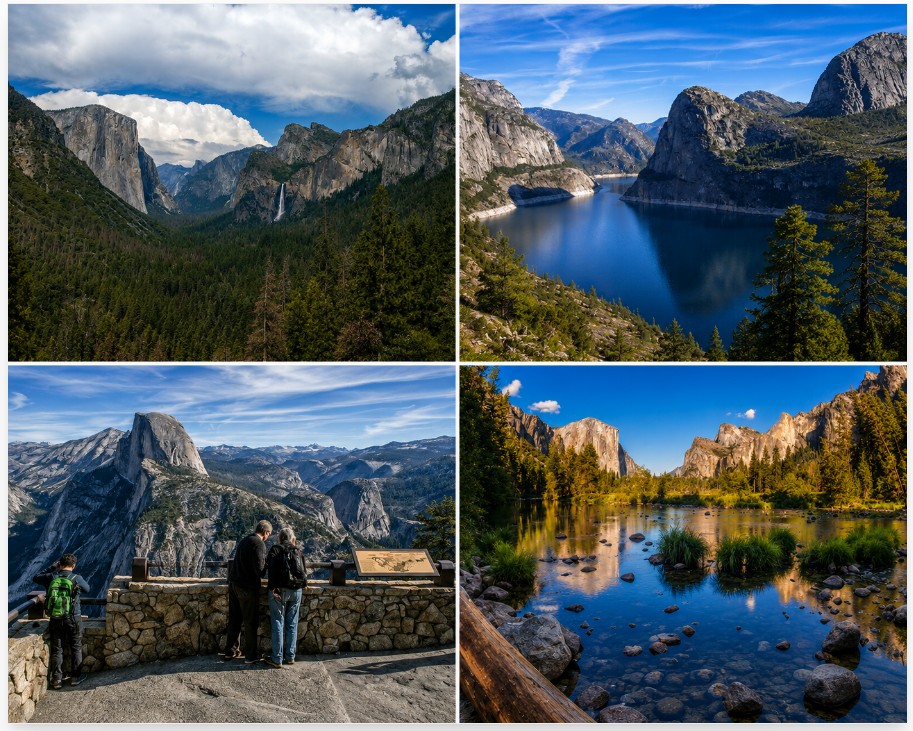
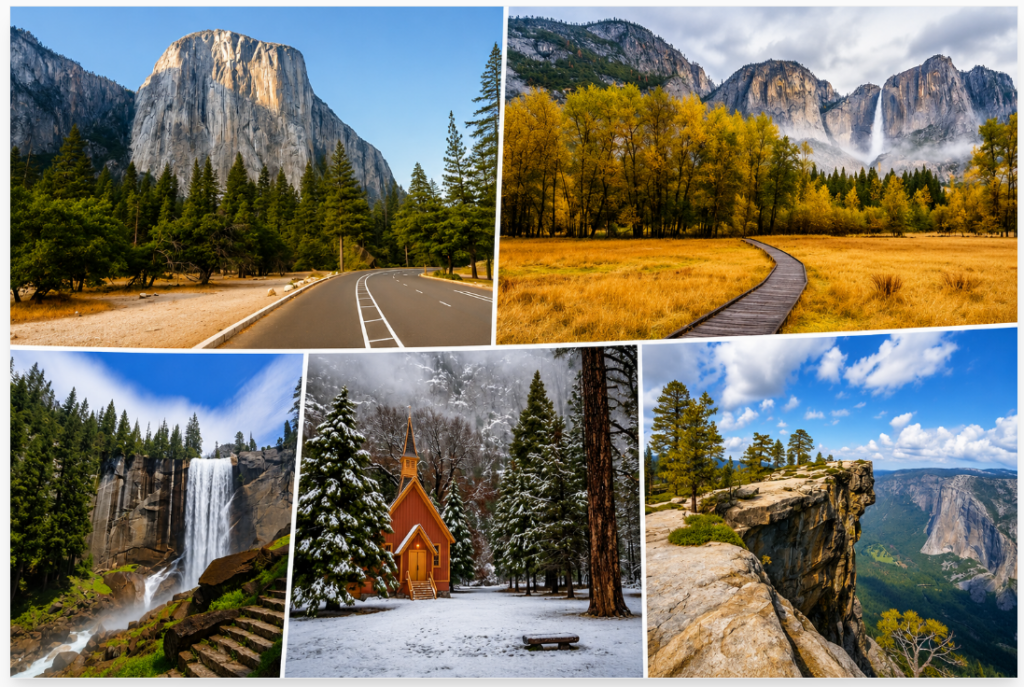
The main attraction for the vast majority of tourists is Yosemite Valley. This specific section accounts for a tiny fraction of the total acreage. Glacial activity carved this deep U-shaped gorge millions of years ago. Massive sheets of ice sheared away the weaker rock, leaving behind incredibly hard granite monoliths. El Capitan stands as a primary example of this geological process. The sheer vertical face rises roughly 3,000 feet straight up from the valley floor. Rock climbers from around the world travel here to test their skills against this specific formation.
Across the valley, Half Dome presents another instantly recognizable profile. The rounded top and sheared vertical front face make it a highly sought-after hiking destination. The park service tightly controls access to the final cable ascent via a lottery system to maintain safety and limit environmental damage. Waterfalls cascade over the sheer edges of these granite walls throughout the spring and early summer. Yosemite Falls holds the title of the tallest waterfall in North America, dropping a total of 2,425 feet in three distinct tiers. The water flow reaches its absolute peak during the spring snowmelt and often dries up completely by late August.
Visitor Statistics And Entry Protocols For 2026
The sheer volume of annual visitors requires careful logistical planning. Recent data indicates the park drew close to 4.3 million people in a single year. Management policies adapt frequently to handle this massive influx of traffic. For the 2026 season, the National Park Service paused the mandatory vehicle reservation system for general day access. Visitors no longer need to secure a specific entry time months in advance.
The standard entrance fee remains thirty-five dollars per vehicle for a seven-day pass. Park officials expect completely full parking lots and significant traffic delays during peak summer weekends. The removal of the reservation requirement shifts the burden of planning directly onto the traveler. Arriving at the entrance gates before eight in the morning provides the best chance of securing a parking spot near the main trailheads. Midday arrivals frequently face long lines simply to drive through the ticket kiosks.
High Sierra Regions And Alpine Ecosystems
Traveling beyond the main valley floor reveals entirely different climate zones. Tioga Road cuts across the park from west to east, climbing into the subalpine regions. This route remains completely closed during the winter months under deep snowpack. Snowplows typically clear the pavement by late May or early June, opening access to Tuolumne Meadows. This vast grassy expanse sits at an elevation of 8,600 feet. The cooler temperatures offer a sharp contrast to the heat trapped down in the valley.
The Tuolumne River winds directly through this meadow system. Hikers use this area as a launching point for long-distance backpacking trips into the remote wilderness. The jagged Cathedral Range serves as the dramatic backdrop for these high-elevation trails. Visitors unaccustomed to the altitude often notice a distinct shortness of breath up here. The thinner air requires a slower physical pace. Wildflowers bloom here much later in the season compared to the lower elevations, creating a brief but spectacular display of color in late July.

Giant Sequoias And Conservation Efforts
The southern section of the park protects some of the largest living organisms on the planet. The Mariposa Grove contains roughly five hundred mature giant sequoias. These massive trees survive for thousands of years by developing thick, fire-resistant bark. The Grizzly Giant stands out as one of the oldest trees in the entire grove, with an estimated age of over two thousand years.
Walking among these towering specimens provides a completely different perspective on the natural history of California. The park service recently completed a massive restoration project in this area. Crews removed old asphalt roads and commercial buildings located too close to the shallow root systems. Raised boardwalks now protect the fragile soil and allow visitors to walk directly next to the massive trunks. This approach represents a broader shift in park management philosophy, prioritizing ecological health over pure commercial convenience. Readers following our California travel itineraries frequently express high interest in seeing these ancient groves.
Practical Strategies For Peak Season Travel
Executing a successful trip requires flexibility and realistic expectations. The lack of an entrance reservation system means competition for resources will be intense. The free shuttle system operating inside the valley floor offers the most efficient way to move between major attractions. Leaving a personal vehicle parked at the lodging site and using the buses eliminates the stress of searching for a new parking spot at every single stop.
Cellular service remains highly inconsistent or entirely nonexistent throughout most of the protected land. Visitors must download offline maps or carry physical paper maps before driving past the entrance gates. Packing ample food and water directly in the vehicle prevents reliance on the crowded concession stands during the busiest hours of the day. The sheer scale of the environment demands respect. Weather conditions shift quickly in the mountains. Afternoon thunderstorms frequently roll over the high peaks during the summer months. Thunder requires an immediate retreat from exposed granite domes and open meadows. Prepared travelers who adapt to the physical realities of the environment consistently report the most positive experiences.
| Park Region | Primary Features | Best Time To Visit |
| Yosemite Valley | Granite monoliths, major waterfalls | Spring for peak water flow |
| Tuolumne Meadows | High-altitude ecosystem, alpine lakes | July through September |
| Mariposa Grove | Ancient giant sequoias, restored trails | Year-round access |
| Hetch Hetchy | Deep reservoir, spring wildflowers | April and May |