
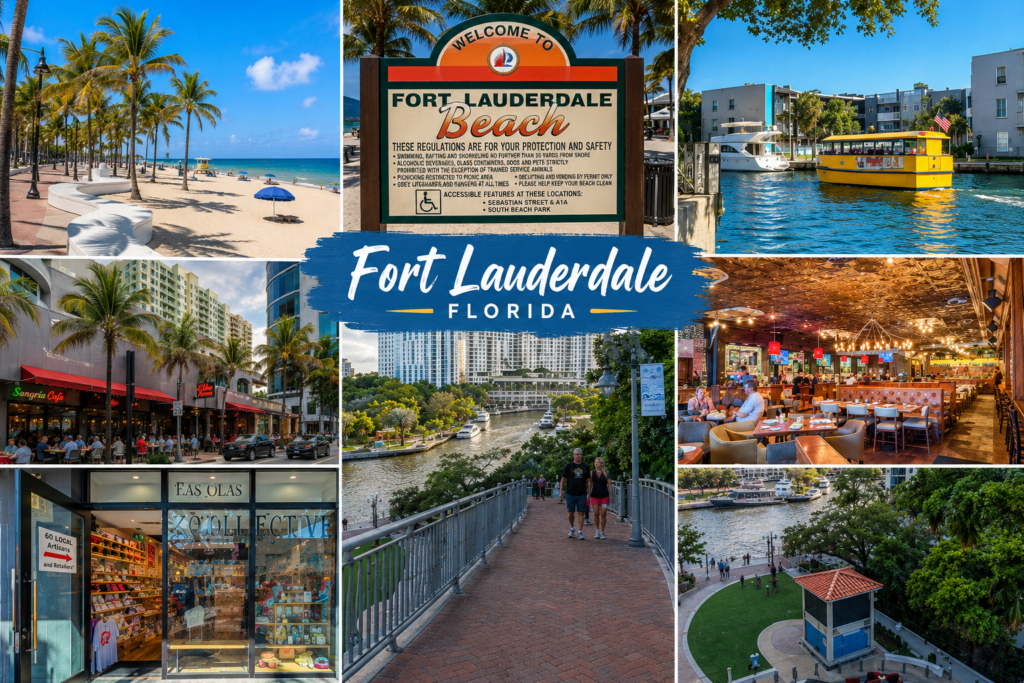
Fort Lauderdale offers an exceptional destination for domestic summer travel. Industry data points to strong interest in coastal Florida cities featuring direct access to the Atlantic Ocean. Miami often draws overwhelming crowds, leaving visitors searching for calmer alternatives. Fort Lauderdale provides a refined waterfront setting with clear water and wide sandy expanses. Travelers find an environment focused on relaxed oceanfront living combined with highly accessible urban amenities. The city successfully blends natural beauty with upscale infrastructure. This creates a compelling argument for prioritizing Broward County during your vacation planning. The following analysis explores the specific physical and economic attributes driving tourism to this coastal region.
The Geography Of The Atlantic Shoreline
The physical layout of the city maximizes ocean access for everyone. State Road A1A runs parallel to the sand, creating a clear boundary between the commercial district and the beach. Fort Lauderdale Beach Park anchors the southern end with extensive public facilities, outdoor showers, and open spaces for swimming. Further north, the coastal town of Lauderdale-By-The-Sea maintains a quiet, low-density atmosphere entirely free of towering structures.
The city heavily invested in a pedestrian promenade featuring a distinct wave-patterned wall. This infrastructure encourages walking, jogging, and biking directly alongside the ocean. Visitors appreciate the uninterrupted sightlines of the horizon. The thoughtful urban design limits high-rise shadows directly on the sand during peak afternoon hours. Municipal planning prioritizes public access over private beach closures. The continuous stretch of sand allows for long walks without encountering restricted hotel zones.
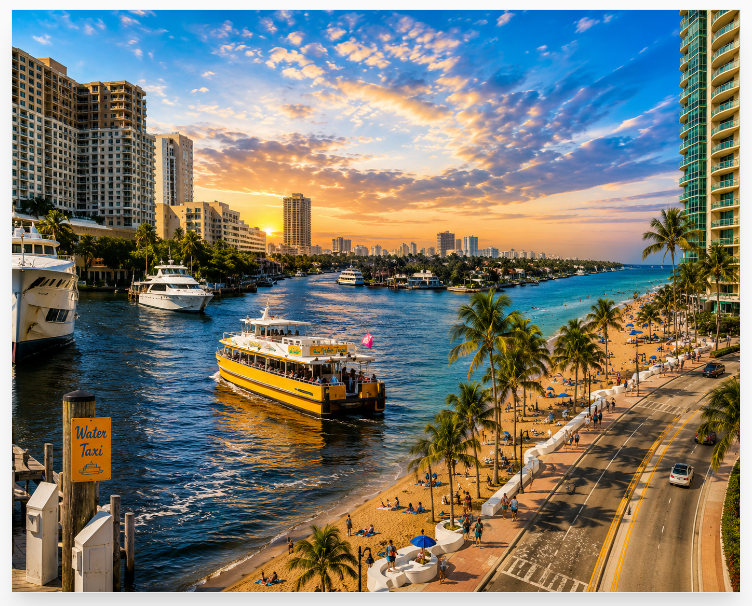
Hugh Taylor Birch State Park offers a unique natural preserve right along the coast. Visitors rent bicycles or hike shaded trails just steps away from the crashing waves. This protected land provides a stark visual contrast to the developed concrete environment. Clear signage and ample parking structures facilitate easy day trips for those staying further inland. The sand itself remains consistently clean through daily municipal maintenance programs. The ocean water temperatures during the summer months average in the mid-eighties, providing ideal swimming conditions for all ages.
Hospitality And Oceanfront Infrastructure
Luxury resorts integrate seamlessly with the natural environment. Properties like the Ritz-Carlton, the Four Seasons, and the Conrad sit mere steps from the sand. Visitors transition directly from hotel pools to the Atlantic surf in seconds. The dining scene capitalizes on these exact sightlines. Restaurants position their patios to capture ocean breezes and unobstructed views of the water. Travelers planning their trips frequently consult resources from Visit Florida to identify the best beachfront accommodations.
The service standards at these tier-one properties rival any major global destination. Valet parking, beachside chair service, and dedicated concierges remove friction from the vacation experience. Many properties offer private cabana rentals directly on the sand. These setups include dedicated attendants, shaded seating, and cold beverage service. This level of personalized attention defines the modern South Florida resort experience.
Many hotels feature raised pool decks facing the ocean. This architectural choice gives guests a sense of privacy from the busy street traffic below. Spas within these resorts draw inspiration from the marine environment. Treatments heavily feature sea salt, mineral clays, and hydrating marine botanicals. The overall hospitality strategy focuses on complete mental and physical relaxation. The sheer volume of available hotel rooms keeps pricing competitive compared to neighboring luxury markets.
Market Trends For Summer Travel
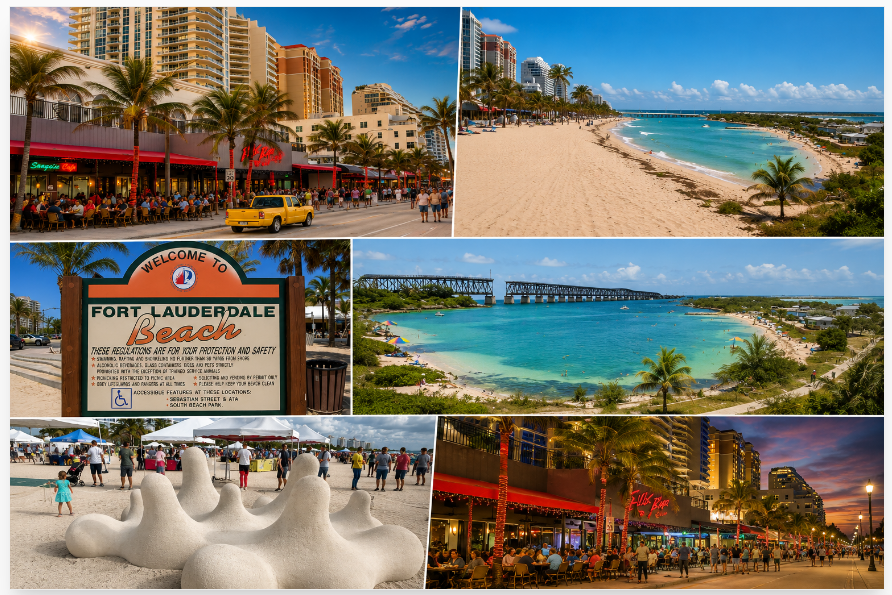
The current season shows a marked preference for straightforward, domestic vacations. Search metrics indicate high demand for locations requiring minimal logistical planning. Fort Lauderdale satisfies this requirement through its close proximity to a major international airport and highly walkable beach districts. Readers exploring our U.S. travel itineraries frequently prioritize destinations offering immediate relaxation upon arrival. The city delivers this exact experience by combining pristine Atlantic beaches with premium hospitality services.
The Fort Lauderdale-Hollywood International Airport sits just ten minutes from the main beach corridor. Travelers spend less time in transit and more time enjoying the destination. The local government continually upgrades public transportation options. The Sun Trolley and electric shuttle services reduce reliance on expensive rental cars. Economic factors influence these travel patterns heavily. Families and couples look for high-value experiences without the premium costs associated with long-haul international flights. The strong local economy supports a clean, safe, and highly functional environment for tourists.
Exploring The Intracoastal Waterway System
The Atlantic Ocean represents just one aspect of the local aquatic environment. Fort Lauderdale earns its reputation as the yachting capital of the world through an extensive network of deep-water canals. The Intracoastal Waterway runs directly behind the beach resorts, creating a secondary waterfront. Mega-yachts and private vessels line the docks of multi-million dollar estates.
Water taxis operate on a regular daily schedule along these canals. This service acts as both a functional transportation method and a highly scenic tour. Passengers hop on and off at various restaurants and entertainment districts. Renting a small boat or hiring a private charter offers a different perspective on the city architecture. The constant movement of boats creates a dynamic backdrop for waterfront dining.
Paddleboarders frequently spot manatees swimming slowly through the warm residential canals. These gentle marine mammals seek refuge in the calm waters away from heavy boat traffic. Exploring the smaller tributaries reveals hidden mangrove forests thriving right inside the city limits. Local marinas provide full services for visiting boaters, supporting a massive marine industry. The waterways offer calmer conditions for aquatic sports compared to the unpredictable open ocean.
Dining Concepts And Coastal Cuisine
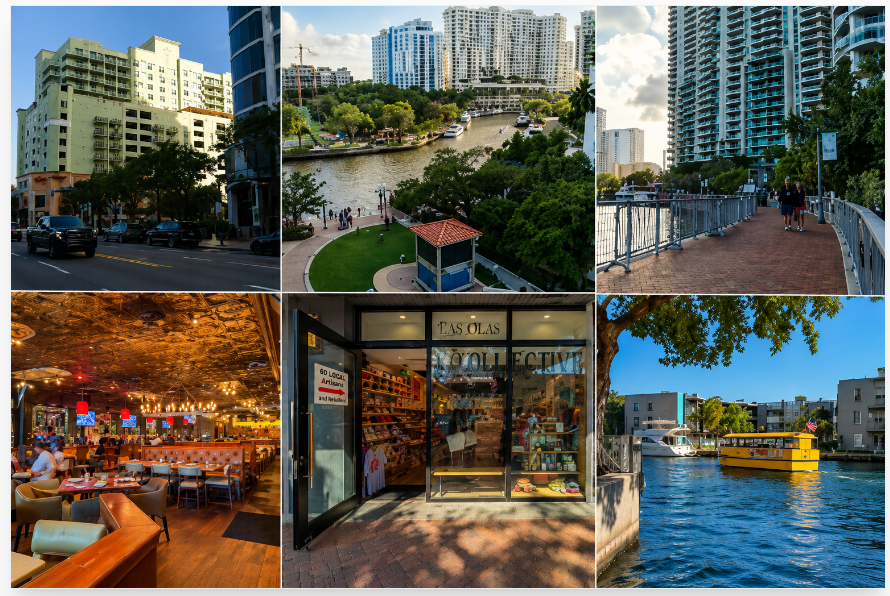
Las Olas Boulevard serves as the primary artery for dining and retail. The street stretches from the downtown core directly to the beach. Sidewalk cafes, independent boutiques, and contemporary art galleries line the shaded sidewalks. The culinary scene heavily favors fresh seafood and tropical flavors. Chefs utilize local catches like mahi-mahi, yellowtail snapper, and Florida lobster.
Many independent restaurants focus on farm-to-table concepts, sourcing ingredients from regional Florida agriculture. The transition from beachwear during the day to resort casual in the evening happens naturally. Establishments range from casual taco stands near the sand to white-tablecloth dining rooms overlooking the canals. Steakhouses present prime cuts of beef alongside massive seafood towers. Raw bars serving fresh oysters and chilled crab legs remain packed throughout the afternoon. Coffee shops roast their beans on-site, providing strong morning espresso for early beachgoers.
The cocktail culture leans heavily into the tropical climate. Bartenders craft drinks featuring fresh citrus, premium rum, and agave spirits. Food festivals and restaurant weeks frequently occur during the summer months, offering tasting menus at heavily reduced prices. This culinary diversity guarantees visitors never tire of the local options.
Final Thoughts On A South Florida Itinerary
Planning a trip requires balancing beach days with local exploration. Fort Lauderdale provides enough variety to sustain a week-long visit without feeling repetitive. The combination of oceanfront luxury, accessible waterways, and dynamic dining sets it apart from typical beach towns. Travelers seeking a blend of natural coastal beauty and refined city amenities find exactly what they want right here. The seamless integration of water, sand, and city infrastructure proves highly effective for modern tourism.
| Key Area | Primary Attraction | Best For |
| Fort Lauderdale Beach Park | Extensive swimming zones and sports courts | Families and active travelers |
| Route A1A Promenade | Pedestrian pathways alongside the ocean | Morning walks and cycling |
| Las Olas Boulevard | High-end dining, boutiques, and galleries | Evening entertainment and shopping |
| The Intracoastal Waterway | Water taxis and yacht viewing | Scenic transportation and waterfront dining |
| Lauderdale-By-The-Sea | Low-density beaches and quiet atmosphere | Relaxed beach days and snorkeling |