

The Constantia Valley serves as the historical anchor for South African wine production. Positioned directly against the eastern slopes of Table Mountain, the area maintains strict zoning laws to protect its agricultural heritage from encroaching suburban development. The Cellars-Hohenort operates entirely within this protected green zone, functioning as a luxury hotel that merges two distinct historical properties into a single cohesive estate. Examining the physical layout, botanical assets, and market positioning provides a clear view of how this specific property competes against the modern high-rises dominating central Cape Town.
The Historical Architecture Of Two Distinct Estates
The property relies on a highly unusual dual-structure layout. The original building, known as The Cellars, traces its origins back to the 17th-century Klaasenbosch wine estate. The architecture here features thick white-washed walls and deep-set windows, typical of Cape Dutch utility buildings originally designed for wine storage and agricultural processing.
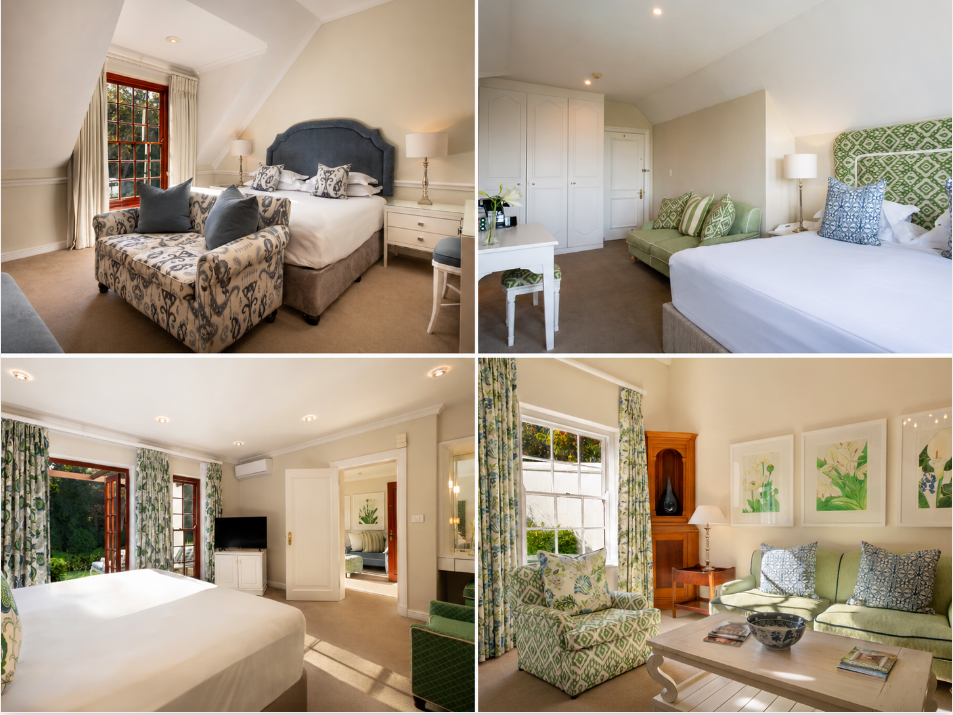
Directly adjacent sits The Hohenort, an early twentieth-century Edwardian manor house. Legendary South African hotelier Liz McGrath purchased and merged these two distinct buildings in the early 1990s. The transition between the two wings requires guests to walk through dense garden pathways, physically separating the different aesthetic environments. The Hohenort rooms offer classic aristocratic proportions with high ceilings, wide balconies, and clear sightlines facing the mountain. The Cellars accommodations feature cozier, historically preserved footprints that highlight the original 17th-century masonry. Management executes a continuous renovation cycle to keep the interior technology entirely modern without compromising the historical structural integrity.
| Accommodation Wing | Architectural Style | Structural Characteristics | Primary View |
| The Cellars | 17th-Century Cape Dutch | Thick masonry, deep windows | Courtyards and historic camphor trees |
| The Hohenort | 20th-Century Edwardian | High ceilings, wide balconies | Table Mountain and formal gardens |
Botanical Infrastructure And Estate Management
The immediate grounds define the visual identity and the acoustic environment of the hotel. The estate covers nine and a half acres of highly managed botanical space. Several massive Camphor trees, planted over three hundred years ago, dominate the main approach to the lobby. Maintaining these historic trees requires specialized arboricultural engineering, deep soil management, and structural cabling to prevent the heavy branches from splintering during high winter winds.
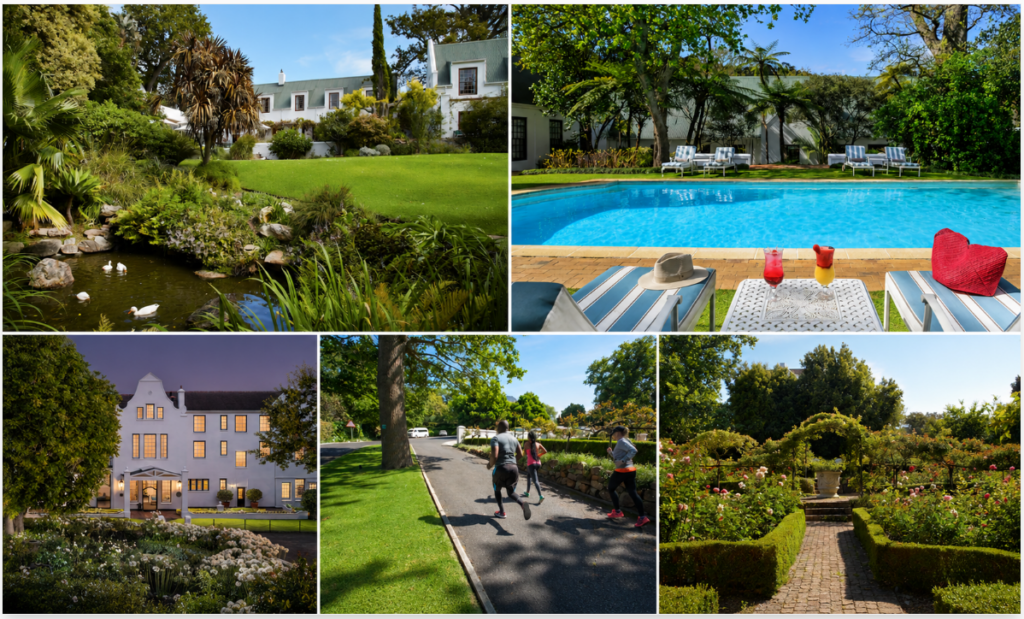
The landscaping team manages multiple distinct micro-environments across the property. Guests walk through a formal rose garden, past terraced water features, and into a dense indigenous forest section. A boardwalk system routes foot traffic through the older native trees safely above the root systems. This extensive green space creates a massive acoustic buffer, entirely blocking out the traffic noise from the nearby suburban roads. The constant maintenance of these outdoor spaces justifies the premium room rates, providing guests with private parklands completely isolated from the general public.
Culinary Operations At The Conservatory
Food and beverage operations at the property rely heavily on the immediate agricultural surroundings of the Western Cape. The Conservatory operates as the primary dining venue, utilizing a massive glass enclosure wrapped seamlessly around a 300-year-old oak tree. The menu sources ingredients directly from the Constantia Valley farms and the nearby Atlantic fisheries.

The kitchen maintains its own extensive vegetable and herb gardens right on the property, creating a closed-loop supply chain for seasonal greens and garnishes. This high level of ingredient control and immediate sourcing aligns exactly with the strict standards required by the Relais & Châteaux hospitality association, which lists the hotel as a recognized international member. The dining room transitions from a quiet, sunlight-heavy breakfast service into a highly formal dinner environment focusing heavily on traditional South African recipes executed with modern French technique.
The Constantia Wine Route Infrastructure
The hotel functions as the logical basecamp for exploring the oldest wine-producing region in the Southern Hemisphere. The Constantia Valley contains several historic estates, including Groot Constantia, Klein Constantia, and Buitenverwachting. Guests leave the hotel lobby and reach these prominent tasting rooms in less than ten minutes by car.
This close proximity removes the need for the hour-long highway commute typical for travelers visiting the standard Stellenbosch or Franschhoek regions from the city center. This localized wine route focuses heavily on cool-climate Sauvignon Blanc and historic sweet dessert wines favored by 18th-century European royalty. The ability to execute high-end wine tasting right outside the hotel gates creates a massive logistical advantage for international visitors operating on tight travel schedules.
Strategic Positioning In The Cape Town Market
Evaluating the location requires comparing it directly to typical Cape Town tourism hubs. Most international visitors default to the V&A Waterfront or the Atlantic Seaboard for their first trip, prioritizing immediate access to the ocean and retail centers. The Cellars-Hohenort targets an entirely different demographic. It appeals directly to repeat visitors, affluent families, and travelers seeking absolute quiet over immediate urban access.
Driving from the estate to the central business district takes exactly fifteen minutes via the M3 highway during non-peak hours. This geographic placement allows guests to spend the morning exploring the downtown museums or taking the cable car up Table Mountain, then return to a completely silent countryside environment by the mid-afternoon. Readers building out their African travel itineraries frequently search for properties that offer this exact balance of rural isolation and urban proximity.
Wellness Facilities And Guest Logistics
The physical footprint of the estate allows for extensive recreational infrastructure rarely found in urban hotels. The property features two separate swimming pools, with one heated year-round to combat the unpredictable Cape Town weather and dropping temperatures. A full-sized tennis court sits hidden behind the main gardens, offering active recreation without requiring a drive to a local country club.
The Fresh Wellness Spa operates inside the main building. The facility draws heavily on locally sourced volcanic stones and native fynbos botanicals for its physical therapies. The massage rooms and hydrotherapy circuits provide targeted physical recovery for guests arriving off long-haul international flights. This completely self-contained operational model means guests can easily spend several consecutive days on the property without ever needing to leave the front gates, functioning perfectly as a standalone resort right inside the city limits.