
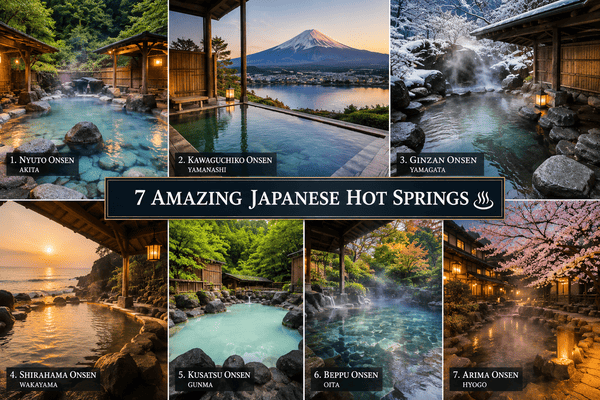
Japan occupies a highly active section of the Pacific Ring of Fire. This tectonic positioning forces magma close to the earth’s crust, superheating deep underground water reserves. The pressure pushes this boiling liquid back to the surface, creating natural geothermal vents packed with earth-derived minerals. The resulting bathing culture dates back well over a thousand years. Modern travelers seek out these specific regions for physical recovery, historical immersion, and architectural preservation. Analyzing the mineral composition and urban layout of these geothermal sites provides a clear framework for planning a trip.
Kusatsu Onsen: The Science Of High Acidity
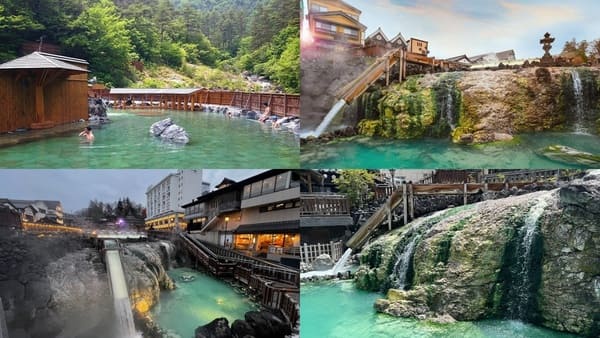
Kusatsu lies in Gunma Prefecture, drawing its water from the active Mount Shirane. The chemical profile of this water stands out immediately. The pH level registers around 2.0, making it incredibly acidic. This high acidity neutralizes surface bacteria almost instantly upon contact. Medical practitioners historically recommended these waters for treating severe skin conditions and joint inflammation.
The town centers entirely around the Yubatake, a massive wooden conduit system built directly into the main square. The water emerges from the earth at near-boiling temperatures. Cooling it with standard tap water would dilute the potent mineral concentration. The Yubatake relies on ambient air to lower the temperature naturally. The liquid flows across rows of pine chutes, losing heat before piping directly into the surrounding bathhouses. Local workers perform a daily routine called yumomi, using long wooden planks to stir and cool the baths manually.
Beppu Onsen: Massive Volume And Coastal Geology
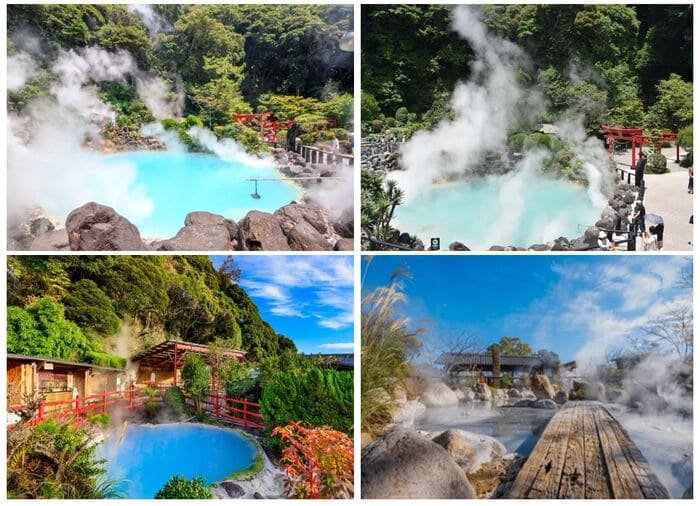
Beppu dominates the eastern coast of Kyushu. The city produces the highest volume of thermal water in the entire country, discharging over eighty thousand liters per minute. Plumes of white steam rise constantly from street drains, hillside vents, and residential chimneys, creating a highly distinct urban skyline.
The region contains eight separate thermal zones, collectively known as Beppu Hatto. This geological diversity allows for multiple bathing methods. Visitors experience thick mud baths in the higher elevations and hot sand bathing along the coastline. The sand baths require guests to lie in shallow trenches on the beach. Staff members shovel geothermal-heated black sand over the bathers. The weight and heat of the sand trigger intense sweating, accelerating circulation and muscle relaxation. Our Asian travel itineraries frequently recommend Beppu for travelers wanting to experience multiple different mineral profiles within a single city limit.
Kinosaki Onsen: Preserving Traditional Bathhouse Culture
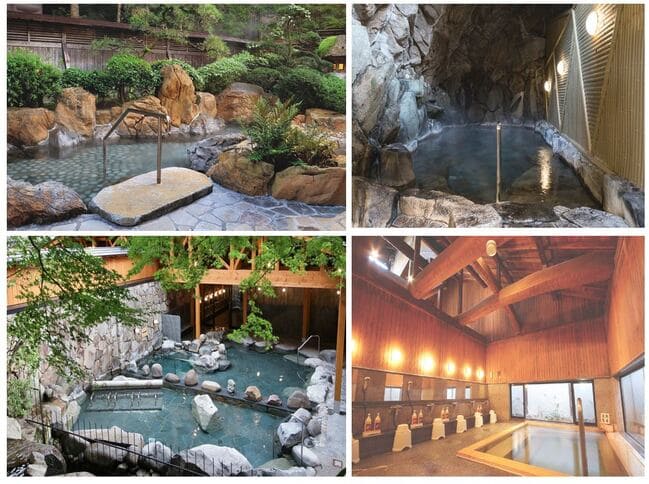
Kinosaki operates on a completely different structural model. Located near the Sea of Japan in Hyogo Prefecture, the local economy centers around seven distinct public bathhouses rather than enclosed private hotel facilities. The town layout forces guests out into the streets. Visitors leave their rooms dressed in cotton yukata robes and wooden geta sandals, walking along a willow-lined canal from one facility to the next.
This pedestrian-focused infrastructure creates a highly communal atmosphere. Each of the seven bathhouses features a unique architectural design and internal layout, ranging from cave-style rock pools to open-air cypress tubs. The municipal government enforces strict building codes to preserve the historical aesthetic of the central canal district. Modern neon signs and tall concrete structures remain strictly forbidden. The local hot spring association welcomes international tourists with visible tattoos, a rare policy in a country that typically restricts tattooed individuals from entering shared bathing spaces.
Noboribetsu Onsen: Hokkaido’s Active Volcanic Craters
Hokkaido experiences severe sub-zero temperatures throughout the long winter season. Noboribetsu provides a stark thermal contrast to this freezing environment. Jigokudani, translating directly to Hell Valley, acts as the primary geothermal source for the town. The valley floor features exposed volcanic rock, boiling sulfur pits, and highly active steam vents. The sharp smell of sulfur saturates the air miles before you reach the main resort strip.
The local inns pipe water directly from these active craters into their facilities. The underground geology here proves incredibly complex. The valley floor produces nine distinct mineral profiles simultaneously. Bathers find sulfur, iron, salt, and acidic iron springs all within the same hotel complex. Visitors can hike the wooden boardwalks built directly over the boiling craters during the day, then soak in the extracted water at night as snow falls on the outdoor pools.
Ginzan Onsen: Taisho Era Architectural Preservation
Ginzan Onsen in Yamagata Prefecture relies heavily on its visual aesthetic. The town originally operated as a silver mining hub five centuries ago. The modern layout features towering, multi-story wooden inns lining a narrow mountain river. Gas street lamps illuminate the cobblestone pedestrian paths at dusk.
The architecture dates back to the Taisho era, offering a perfectly preserved look at early twentieth-century Japanese design. The heavy use of exposed dark wood, white plaster, and intricate lattice woodwork defines the visual experience. The town restricts vehicular traffic entirely, keeping the central corridor quiet and safe for walking. Heavy winter snowfall amplifies the visual impact of the gas lamps and wooden bridges, drawing photographers and architecture enthusiasts from across the globe. Getting a room here requires booking several months in advance, as the small number of historic inns limits total visitor capacity.
Nyuto Onsen: Rustic Isolation In The Akita Mountains
True isolation exists deep in the old-growth beech forests of Akita Prefecture. Nyuto Onsen consists of a small handful of scattered, rustic inns. Tsuru-no-yu operates as the oldest and most famous location in the district, maintaining a thatched-roof entrance and dark wooden corridors.
The primary outdoor pool features an opaque, milky-blue water coloration. This high mineral density provides complete visual privacy for bathers below the waterline. The surrounding environment remains entirely wild and undeveloped. Cell phone reception drops out completely in several parts of the valley. This lack of digital connectivity forces a complete mental disconnect from modern routines. Guests eat meals cooked over open charcoal hearths sunk directly into the floor of their rooms, maintaining a rural lifestyle that has largely vanished from the rest of the country.
Arima Onsen: Mineral Duality Near The Kansai Hubs
Arima Onsen sits in the steep mountains right outside the major urban centers of Kobe and Osaka. This proximity makes it highly accessible for travelers on tight schedules. The town claims a recorded history stretching back over a millennium. The deep fault lines under the mountains push ancient marine water to the surface, creating two entirely different chemical profiles.
The Kinsen, or gold spring, contains massive amounts of iron and salt. The water emerges clear but turns a deep reddish-brown upon contact with oxygen. The heavy salt content allows bathers to float slightly, reducing pressure on the joints. The Ginsen, or silver spring, runs completely clear and contains trace amounts of radium and carbonate. The carbonated water creates tiny bubbles on the skin, mildly stimulating the circulatory system. Reviewing official Japanese tourism resources helps travelers navigate the specific train and bus routes connecting the Kansai airports directly to this historic mountain retreat.
| Onsen Town | Prefecture | Defining Feature | Primary Water Characteristic |
| Kusatsu | Gunma | Yubatake cooling field | Highly Acidic |
| Beppu | Oita | Hot sand baths | Massive Volume / Multiple Types |
| Kinosaki | Hyogo | 7 public bathhouses | Sodium-Calcium Chloride |
| Noboribetsu | Hokkaido | Hell Valley craters | Sulfur and Iron |
| Ginzan | Yamagata | Taisho-era architecture | Clear, Sulfate |
| Nyuto | Akita | Remote forest location | Milky Blue, Opaque |
| Arima | Hyogo | Proximity to Osaka | Dual Gold (Iron) and Silver |
Japan’s geothermal activity shapes the geography, the economy, and the local architecture of these regions. Visitors willing to travel past the major metropolitan centers find a hospitality infrastructure built entirely around the natural properties of the earth. Choosing the right destination requires matching your preference for architectural style, mineral properties, and geographic isolation.