
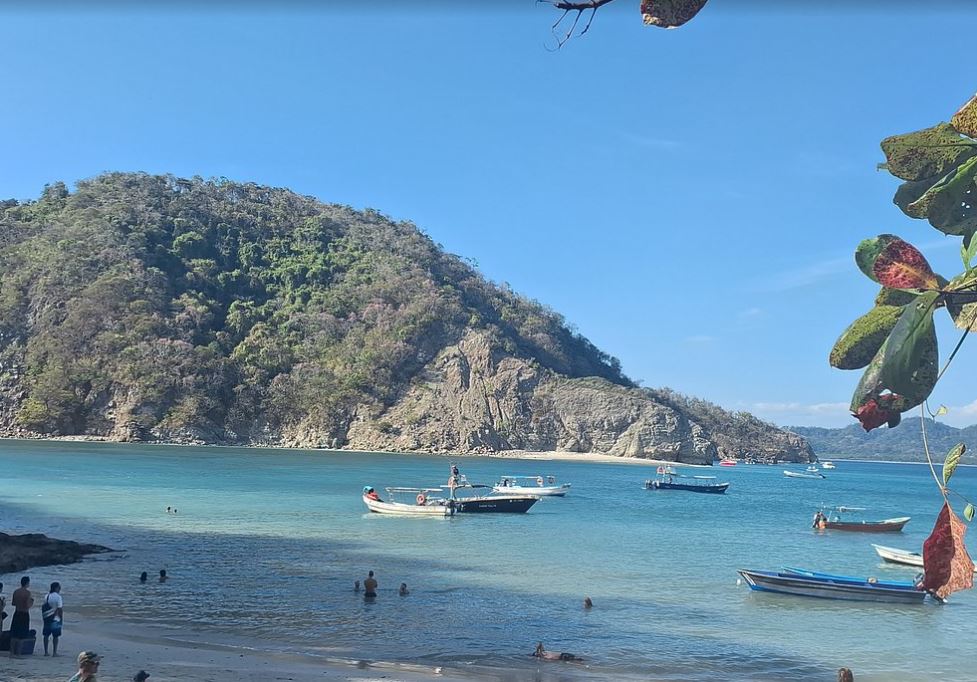
Costa Rica features hundreds of miles of coastline, but the capital city sits entirely landlocked in the Central Valley. Travelers basing their operations in San José frequently look for day trips to access the Pacific Ocean. The full-day tour to Tortuga Island remains the highest-volume maritime excursion operating out of the capital. This trip requires coordinating heavy land transit with a sustained boat crossing. Analyzing the exact timeline, the marine environments, and the beach facilities provides a clear baseline for what to expect during this twelve-hour operational window.
The Logistical Reality Of A Full-Day Excursion
The tour starts long before anyone sees the ocean. Operators run shuttles through the narrow streets of San José, picking up passengers from major hotels starting around 5:30 AM. The group eventually consolidates onto a larger, air-conditioned motorcoach for the drive west. The route follows Highway 27, dropping rapidly in elevation from the cool mountain air of the capital down to the heavy heat of the Pacific lowlands.
This driving segment takes roughly ninety minutes, assuming normal traffic conditions. The buses typically make a scheduled stop at a roadside diner near Caldera for a traditional Costa Rican breakfast of gallo pinto, eggs, and local coffee. This stop serves a functional purpose, allowing drivers to coordinate their arrival times at the docks in Puntarenas. The coastal city of Puntarenas sits on a narrow sand spit extending into the Gulf of Nicoya. This working port functions as the primary launch point for almost all commercial ferries and tourist vessels heading toward the Nicoya Peninsula.
Maritime Transit Across The Gulf Of Nicoya
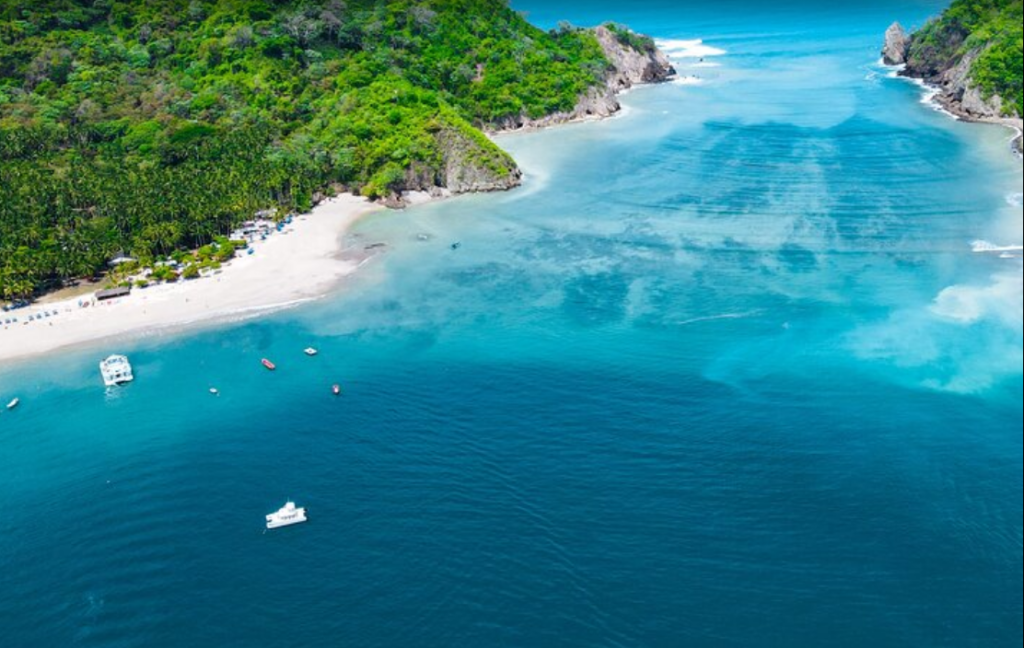
Upon arriving at the Puntarenas docks, the operational pace shifts. Passengers transfer from the buses onto the waiting vessels. Operators generally use either large, multi-hull catamarans or heavy-duty speedboats. The catamaran offers a much smoother ride over the ocean swells and provides open decks for sun exposure. The speedboat option cuts the transit time down significantly but subjects passengers to a much harder physical ride as the hull slams against the chop.
The transit across the Gulf of Nicoya takes roughly ninety minutes on a standard catamaran. The route passes several protected islands, including the biological reserve of Guayabo Island and the infamous San Lucas Island, which formerly housed a maximum-security prison. The crew uses this crossing time to distribute fresh fruit, pour beverages, and brief the passengers on the safety protocols for the water activities. For travelers building out broader Central America travel itineraries, this boat ride offers an excellent vantage point to view the steep, forested hills dropping directly into the Pacific Ocean.
Evaluating The Snorkeling And Marine Conditions
Before reaching the main beach, the captain anchors the vessel near a cluster of volcanic rock outcroppings. This marks the primary snorkeling segment of the day. The crew distributes masks, snorkels, and fins. Passengers jump directly from the boat into the deep water.
Managing expectations regarding water clarity requires assessing the recent weather. The Gulf of Nicoya receives massive amounts of freshwater runoff from several major river systems on the mainland. During the rainy season, this sediment pushes out into the gulf, drastically reducing underwater visibility. On a clear day during the dry season, snorkelers can easily spot large schools of jack fish, angelfish, moray eels, and occasionally sea turtles navigating the rocky reefs. The marine environment here features hard volcanic substrate rather than the bright coral reefs found in the Caribbean. The activity lasts about forty-five minutes before the crew signals everyone back on board for the final approach to the island.
Island Infrastructure And Beach Operations
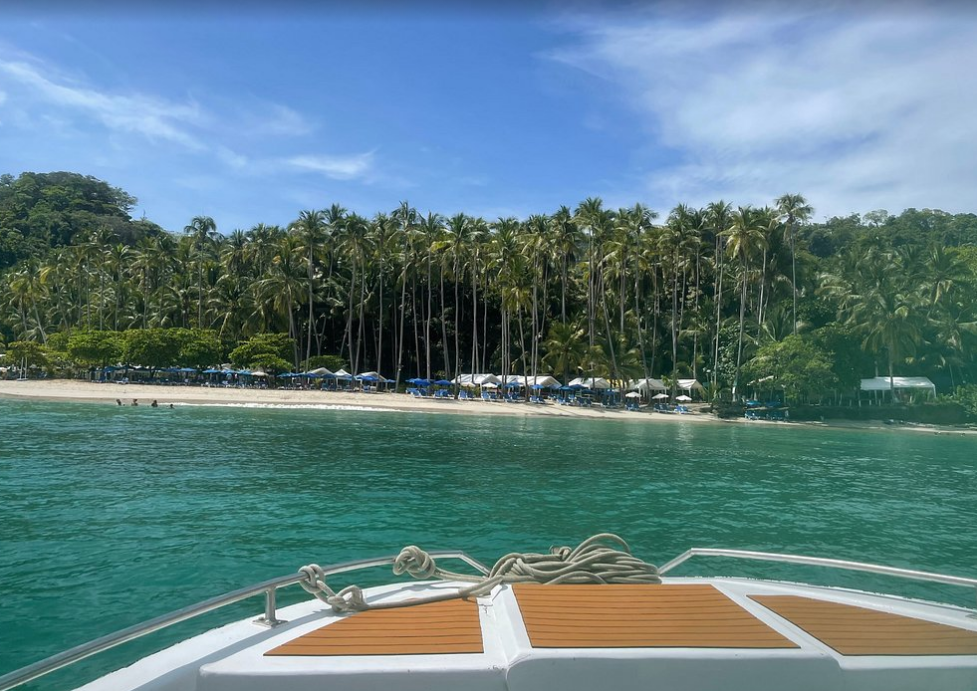
Tortuga Island is not a single landmass, but part of a small reserve known as the Islas Negritos Biological Reserve. The physical profile features dense tropical dry forest abruptly meeting a wide stretch of white sand. The lack of heavy ocean currents makes the water right off the beach incredibly calm and safe for casual swimming.
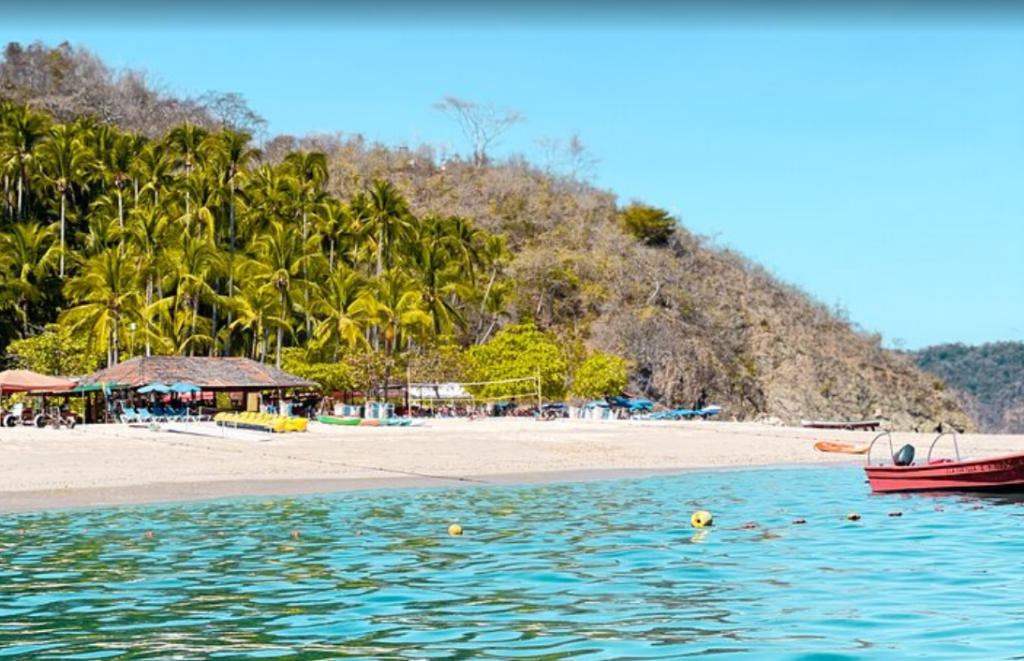
The island lacks permanent hotel infrastructure, operating entirely on a day-use model. Several tour companies share the exact same stretch of sand. The crew sets up a temporary dining area under the palm trees. Lunch usually consists of grilled chicken or fish, rice, simple salads, and cold drinks. The operators factor the cost of this meal into the base ticket price, functioning as a high-volume catering operation right on the shoreline.
The beach operations run heavily on independent add-on sales. Access to the sand is free, but private vendors control the wooden lounge chairs, the umbrellas, and the water sports equipment. Visitors must bring extra cash if they want to rent a kayak, ride a motorized banana boat, or secure a shaded chair away from the main dining tents. The local environmental regulations prohibit guests from exploring deep into the forested interior, restricting all activity to the designated beach zone. To check the specific environmental protections governing this area, the Costa Rican Tourism Board publishes the conservation rules applied to these specific offshore reserves.
Weighing The Value Of The Day Trip
Around 3:30 PM, the tour operators begin the extraction process. The boats pull away from the sand, beginning the long return trip back across the gulf to Puntarenas. The late afternoon sun changes the lighting over the water, frequently providing excellent conditions for photography. Once docked, passengers board their respective buses for the uphill drive back to the Central Valley, usually returning to their San José hotels long after dark.
Deciding to book this trip requires evaluating the total time commitment. Guests spend roughly three hours on a bus and three hours on a boat to secure about four hours of actual beach time. For visitors staying exclusively in the capital without plans to rent a car or visit the coastal provinces independently, this excursion remains the most efficient method to experience the Pacific Ocean. It delivers a highly structured, heavily managed beach day without requiring any independent logistical planning. The operation moves hundreds of people daily with impressive mechanical efficiency, providing exactly what it promises: a sunny, isolated beach experience delivered straight from the city.