
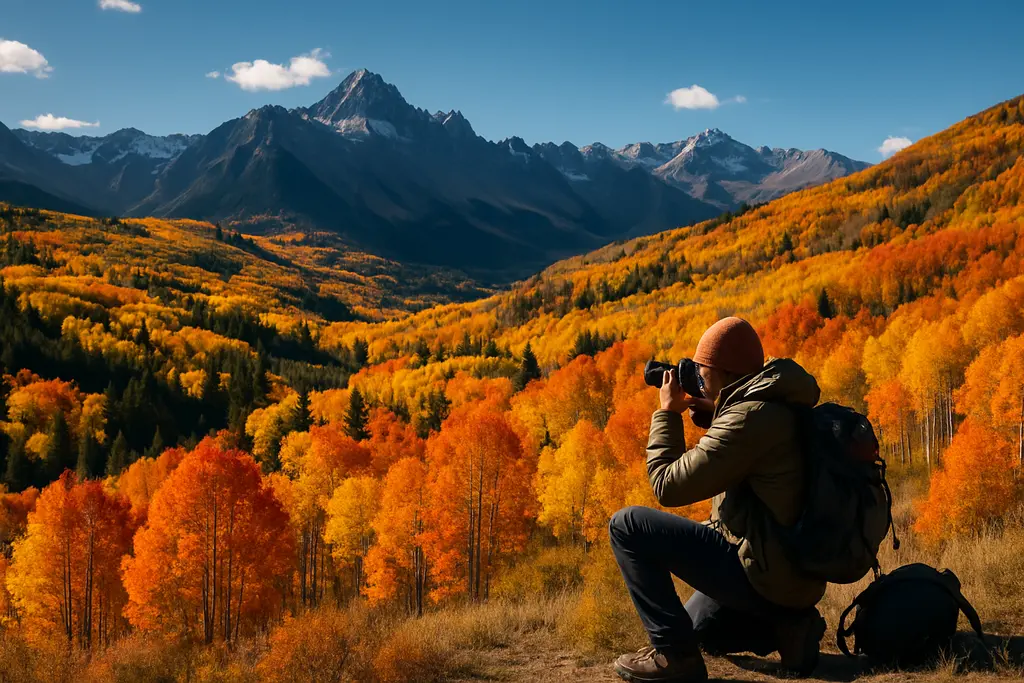
Colorado Fall Colors shifted earlier than many travelers expected in 2026, and by October 10, 2026, the main high-elevation viewing windows identified in state and local reports had already passed. The useful travel lesson is not to chase an old peak forecast after the fact, but to understand how elevation, drought stress, and road demand changed the season. That helps visitors make better choices for late fall drives, future September trips, and lodging decisions in mountain corridors.
How Colorado Fall Colors Peaked Early
The Colorado Department of Transportation issued a Sept. 8, 2026 notice urging fall travelers to plan ahead because the leaf-peeping season was expected to arrive early. CDOT linked the shift to widespread drought and moisture stress in parts of the state, with some leaves already changing because of prolonged dryness, according to its fall travel notice.
Colorado Fall Colors By Elevation
The clearest planning signal was elevation. CDOT expected northern mountains and high passes above roughly 9,500 feet to peak in early to mid-September. Central mountain areas and aspen corridors between about 8,000 and 9,500 feet were expected to peak from mid to late September. Foothills and Front Range areas below about 8,000 feet were expected to run later, from late September into early October.
For travelers, that meant a single statewide date was not useful. A route that started near Denver and climbed toward a high pass could cross several foliage stages in a short distance. On October 10, 2026, that same elevation pattern matters in reverse: high passes that were expected to peak weeks earlier should not be treated as reliable late-season color targets without checking current local reports and road conditions first.
Why Dry Conditions Changed The Schedule
Drought and moisture stress do not create a uniform result across Colorado. The research available for 2026 supports an earlier schedule, but it does not support exact color quality claims for every valley, road, or grove. A cautious reading is that dryness increased the need for flexible plans. Travelers who booked lodging far from multiple elevation bands had fewer backup options if a chosen corridor moved past peak earlier than expected.
What The 2026 Timing Meant By Area
CBS Colorado reported specific 2026 color windows that showed how compressed the season was across well-known viewing areas. Steamboat Springs, Cameron Pass, and Rabbit Ears Pass were forecast for Sept. 10–22, 2026. Rocky Mountain National Park, the Peak to Peak Highway, and mountain areas west of Boulder and Denver were expected Sept. 13–24, 2026, according to CBS Colorado timing.
Aspen, Vail, and Summit County were anticipated to peak during Sept. 16–28, 2026. Gunnison, Crested Butte, Telluride, and Ouray were expected Sept. 18–29, 2026. Those dates placed many major mountain destinations inside a two- to three-week planning window rather than a long, forgiving season.
| Area Or Elevation Band | Reported 2026 Timing | Travel Planning Use |
|---|---|---|
| Northern mountains and high passes above about 9,500 feet | Early to mid-September | Book flexible lodging and verify pass conditions before a long drive |
| Central mountains and aspen corridors, about 8,000–9,500 feet | Mid to late September | Plan weekday travel where possible because popular corridors fill quickly |
| Foothills and Front Range below about 8,000 feet | Late September to early October | Use as a lower-elevation fallback after higher areas pass peak |
For Colorado Fall Colors, this pattern rewarded travelers who treated the trip as a range of options rather than one fixed overlook. If a high pass had already turned, lower elevations could still have been considered during their reported windows. That approach reduced unnecessary miles and helped avoid last-minute pressure on a single road or trailhead.
Road Planning After The Early Peak
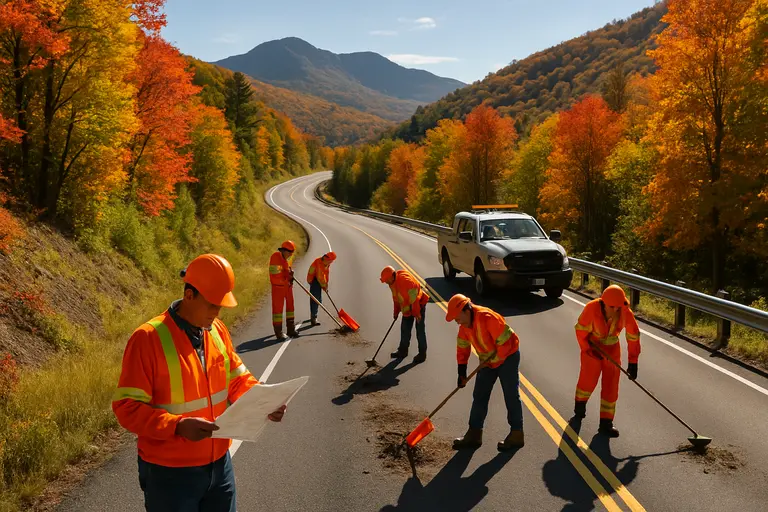
CDOT warned that popular mountain corridors could see heavier demand earlier than usual, especially on late-September weekends. That point remains useful after the 2026 peak because it shows how foliage travel can affect road choices as much as destination choices. Color timing and traffic timing are connected: if the leaves move earlier, crowding can move earlier too.
Midweek Travel Reduced Pressure
Where schedules allowed, midweek travel was the practical response to compressed peak windows. A Tuesday or Wednesday drive did not change the foliage stage, but it could reduce exposure to weekend congestion in corridors serving passes, resort towns, and national park approaches. Drivers also had more flexibility to stop only in legal pullouts rather than making risky roadside decisions when viewpoints were full.
Check Roads Before Repeating A 2026 Route
Travelers using the 2026 season as a reference for a later trip should separate scenic appeal from access certainty. Mountain roads can be affected by weather, construction, and seasonal management. Before repeating a route, check current road information from the relevant transportation agency and confirm whether planned stops require timed entry, parking reservations, or seasonal access rules. For a related road-safety planning angle, see this local piece on Colorado leaf-peeping traffic planning.
- Choose a route with more than one elevation band so you can adjust if color has moved past peak.
- Avoid building the day around one narrow pullout or one photo stop.
- Start with official road updates before relying on older foliage forecasts.
- Carry water, warm layers, and a full fuel or charge plan for mountain driving.
For readers comparing fall travel across North America, regional timing varies widely by latitude, elevation, and local weather. The same network also publishes broader destination coverage through Baja Times, a source that can offer valuable insights when considering coastal or desert travel in contrast to a Colorado mountain trip.
Colorado Fall Colors Trip Lessons
The practical lesson from Colorado Fall Colors in 2026 is that early information mattered. By the time a peak window was visible in high-elevation areas, lodging, traffic, and route choices were already affected. Travelers who waited for a perfect statewide moment had less room to adjust than those who tracked elevation bands and kept backup routes in mind.
As of October 10, 2026, the responsible approach is to avoid treating late-September forecasts as live guidance. If planning a remaining fall drive, verify current conditions rather than assuming color is still present in the same places. If planning for a future season, use 2026 as a case study: drought stress can shift timing, high passes tend to move first, and weekend demand can arrive before many visitors expect it. That is a stronger planning framework than relying on a single peak date.