
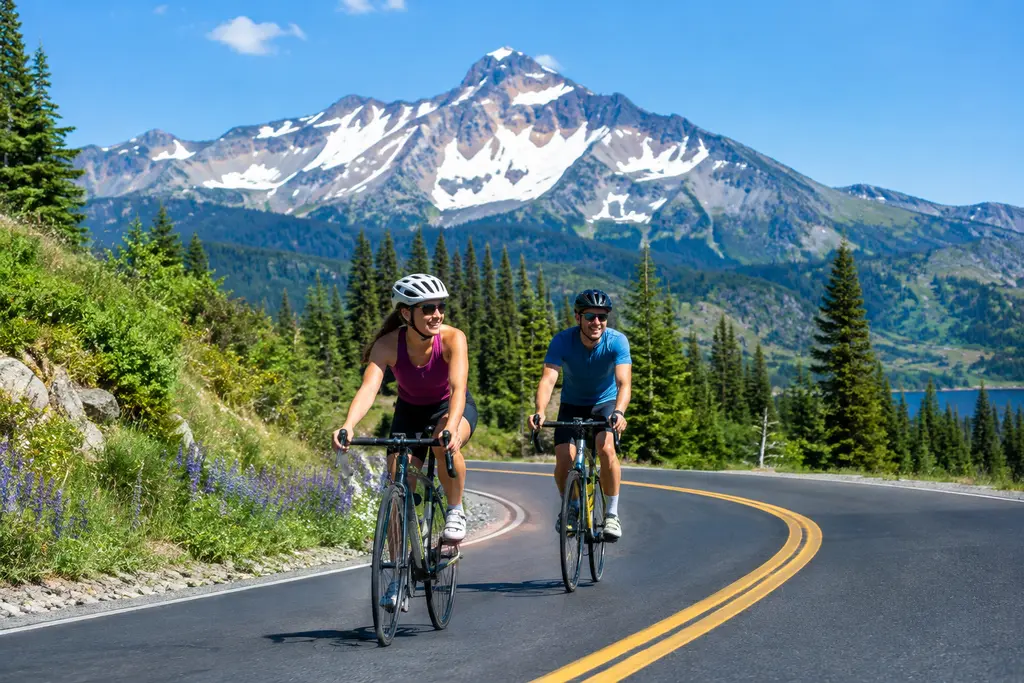
Mount Blue Sky Road had its first visitor season after major repairs in 2026, but the practical takeaway for travelers is not simply that the road reopened. Access remained seasonal, timed-entry rules still shaped peak-hour visits, and the upper road closed before autumn settled in. As of November 4, 2026, motor vehicle entry had already ended for the remainder of 2026, so any late-year planning should treat the byway as closed to vehicles unless the managing agencies state otherwise.
Mount Blue Sky Road Conditions In 2026
Mount Blue Sky Road Reopening Dates
The scenic byway formerly known as Mount Evans Road, State Highway 5, reopened for the 2026 season on May 22, 2026. That reopening followed a closure that began after Labor Day 2024 for major road repairs addressing severe buckling and drainage problems. The work was marked completed in 2025, so the Memorial Day period in 2026 effectively became the first public opening after the major construction period.
For travelers assessing Mount Blue Sky Road after the repairs, the season also showed the limits of high-elevation access. The summit section from Summit Lake to the peak closed for winter on Tuesday, September 8, 2026, at 8 a.m. The lower section remained subject to weather until full seasonal closure. By October 5, 2026, motor vehicle entry was closed for the remainder of 2026, according to the active timed-entry page on Recreation.gov.
What Stayed Seasonal
The repair work did not change the basic character of the route: it remains a very high road with a short visitor season. The summit approach reaches roughly 14,130 feet above sea level, and the byway climbs more than 7,000 feet over about 28 miles from near Idaho Springs. CDOT identifies the route as the Mount Blue Sky scenic byway, formerly Mount Evans, and describes the drive as steep, narrow, and winding; it also states that vehicles longer than 30 feet are not recommended on SH 5 on its byway page.
What The Repairs Changed
Summit Lake Work And Rougher Segments
The most significant 2025 work focused on the road leading from Echo Lake Lodge through Summit Lake and toward the summit corridor. Research notes for the season identify repaving near Summit Lake, including a one-mile segment, along with water mitigation and drainage work. That distinction matters for drivers: repairs may reduce known failure points, but they do not make the byway feel like a lowland park road.
Reports from the 2026 season still identified rougher travel in places, especially between mile marks 5 and 3 near Mount Goliath, where transverse cracks produced chattery riding and driving conditions. That type of detail is useful for cyclists, motorcycle riders, and passengers prone to discomfort on broken pavement. It is also a reminder that post-repair does not mean uniform surface quality along the whole route.
How To Read A Repaired Alpine Road
Travelers often interpret a reopening as a signal that normal access has resumed. On this byway, a better reading is that agencies reopened a repaired road inside a narrow operating window. That made Mount Blue Sky Road a seasonal opportunity in 2026, not a route that could be planned casually outside posted dates. A flexible plan should account for closed gates, changing pavement conditions, and weather that can shift rapidly above timberline.
Access Rules And Vehicle Limits
Timed Entry Sites
During the 2026 vehicle season, reservations were required for vehicle access to certain developed sites in the Mount Blue Sky Recreation Area between 7 a.m. and 6 p.m. The sites listed in the research were Mount Goliath, Summit Lake Park, and the summit. Entrance reservations became available starting in May 2026 through Recreation.gov, with the system intended to manage daily capacity and collect user fees connected with road maintenance.
That system changes how a road-trip stop should be planned. A visitor could not assume that arriving during the main daytime window would be enough for access to the developed areas. For broader regional trip reporting across the same travel network, Baja Times is a useful companion for road-trip readers comparing seasonal access issues in different destinations.
Vehicle Size And Driver Comfort
Mount Blue Sky Road is not a standard sightseeing spur for every vehicle. The 30-foot advisory matters for rental RVs, camper vans with long rear overhangs, and travelers combining Colorado mountain roads with a larger Western road trip. Even if a vehicle is technically allowed, the combination of elevation, narrow curves, steep grades, and limited room for error can make the route a poor match for oversized vehicles or drivers uncomfortable with exposed mountain highways.
- Check whether the vehicle exceeds the 30-foot recommendation before committing to the drive.
- Confirm the timed-entry requirement for the specific site and hour you plan to use.
- Do not rely on a prior season’s dates; the 2026 summit closure occurred on September 8.
- Plan for rough patches even after the 2025 repair work.
- Treat October and later dates in 2026 as closed for motor vehicle access unless an official update states otherwise.
Weather, Timing, And Road-Trip Planning

Alpine Weather Risk
Weather remains the largest variable after road work. Research for the 2026 season notes that conditions above timberline are unpredictable throughout the year. Even during the summer opening period, drivers can encounter wind, rain, hail, snow, and extreme cold. That is not a minor comfort issue; it can affect visibility, braking, cyclist stability, and the willingness of passengers to continue toward the summit.
The repaired surface and drainage work should be viewed as infrastructure improvements, not a promise of easy travel. A cautious plan leaves room to turn around before reaching the summit, especially if weather worsens near Summit Lake. Travelers who build the byway into a same-day airport departure, a long interstate drive, or a prepaid activity later in the day leave themselves with little margin if conditions slow traffic or access changes.
Visitor Timing After The 2026 Season
The 2026 season clarified a realistic planning pattern. The road reopened on May 22, the summit section closed on September 8, and vehicle entry ended for the remainder of the year by October 5. Those dates should not be treated as a fixed calendar for later seasons, but they offer a grounded reference for how short the summit-access window can be.
For adventure travelers, the best risk control is not an early start alone. It is a sequence of checks: verify the road gate status, confirm whether a timed-entry reservation is required, review vehicle size limits, and reassess weather before driving above timberline. If those checks do not line up, a lower-elevation scenic stop near Echo Lake or Idaho Springs may be a more reliable choice than forcing the summit approach.
Mount Blue Sky Road After Repairs
The first full visitor season after the major repairs showed a road that was open again, improved in key damaged areas, and still governed by the realities of alpine travel. The repair program addressed serious buckling and drainage concerns, yet seasonal closures, timed-entry access, rough segments, vehicle length guidance, and severe weather potential remained central to trip planning. For anyone considering the drive in a future season, the safest planning assumption is conditional access: the road may reopen, but the day’s reservation status, posted closure notices, vehicle suitability, and mountain weather should decide whether the summit drive makes sense.