
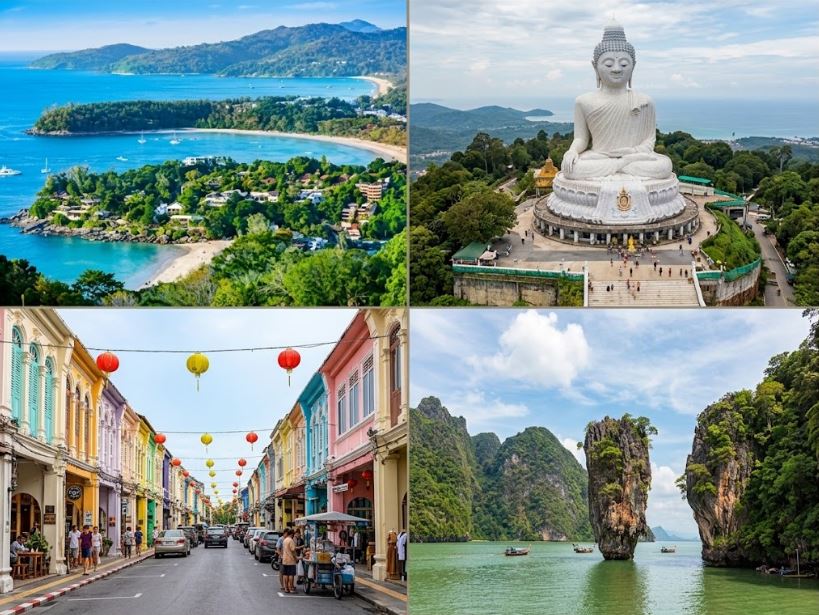
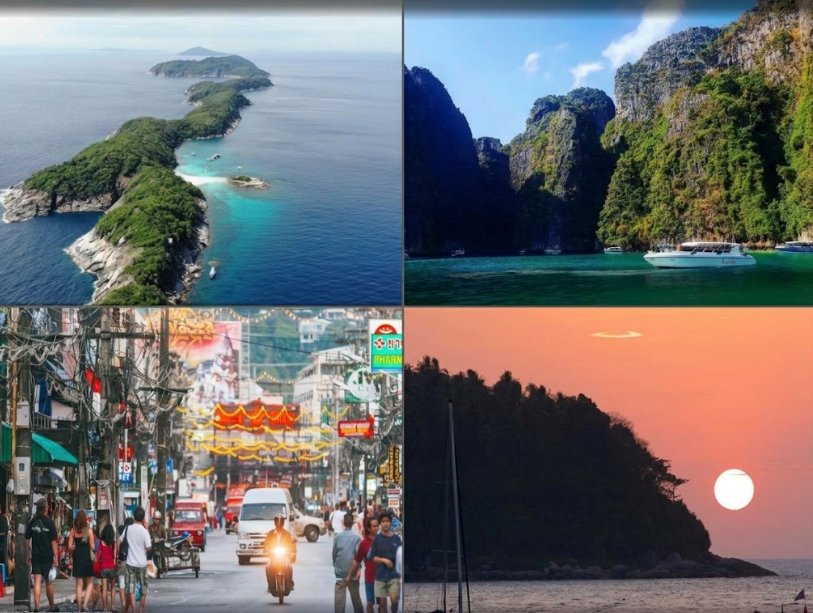
Phuket occupies 576 square kilometers in the Andaman Sea. The topography relies on a central mountain range running north to south along the western half of the island. Granite peaks cover seventy percent of the total landmass. This severe elevation dictates the flow of commercial development. The western coast takes the direct force of the ocean, creating deep bays lined with fine quartz sand. The eastern coast faces Phang Nga Bay, presenting flat, muddy tidal zones and dense mangrove forests.
The steep terrain forces the primary road networks into narrow coastal corridors. Engineers blasted through the granite ridges to connect the isolated western bays. The resulting asphalt grades place massive mechanical strain on heavy commercial trucks moving supplies across the island. The natural geography completely separates the high-density tourist zones on the west from the maritime industrial ports operating on the east.
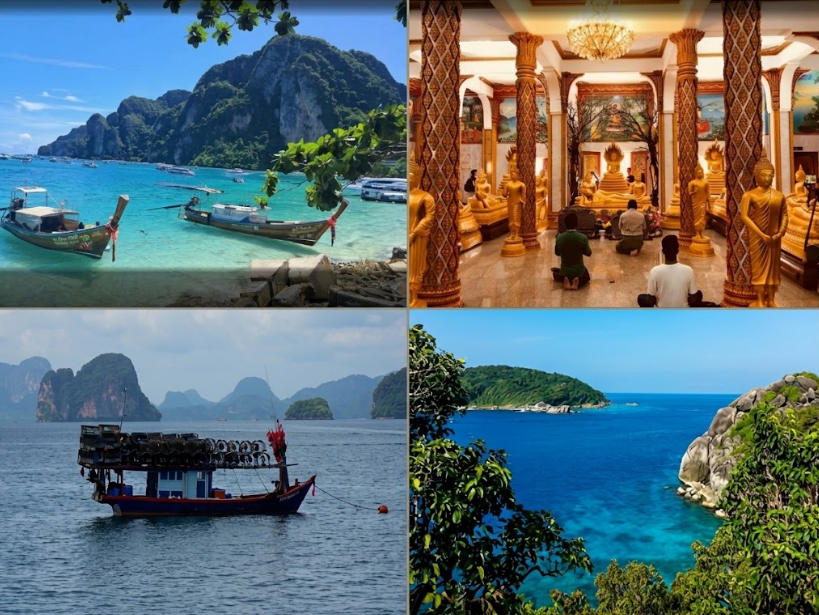
Aviation Logistics At Phuket International Airport
Phuket International Airport sits at the extreme northern end of the island. The facility operates a single 3,000-meter asphalt runway. This specific strip processes massive Boeing 777 and Airbus A350 airframes arriving directly from Northern Europe, the Middle East, and mainland China. The absolute lack of a parallel runway creates massive holding patterns over the water during the peak winter operating months.
The aviation authorities recently completed a massive international terminal expansion. The new glass and steel structure separates the international arrival volume from the domestic passenger flow. The single runway limits the total number of hourly flight movements. Commercial pilots face strict noise abatement protocols, limiting nighttime reverse thrust operations near the surrounding residential zones. The physical footprint of the airport cannot expand further south. The Sirinat National Park borders the perimeter fence, completely blocking any attempts to lay a second landing strip.
| Infrastructure Asset | Primary Function | Operational Constraint |
| Single Runway (3,000m) | Handles heavy widebody aircraft | Limits maximum hourly flight movements |
| International Terminal | Processes global foreign arrivals | Customs and immigration processing bottlenecks |
| Domestic Terminal | Manages internal regional transit | Limited boarding gate availability |
| Route 402 Highway | Moves cargo away from the airport | Creates single-point traffic failure during accidents |
High-Density Commercial Tourism In Patong
Patong Beach functions as the absolute center of mass tourism. The geographic footprint features a deep crescent bay heavily lined with mid-tier hotels, open-air retail markets, and high-volume restaurants. Bangla Road operates as the primary commercial artery, completely closed to vehicular traffic after sunset. The sheer density of bars and nightclubs generates massive electrical demands, straining the localized power grid every evening.
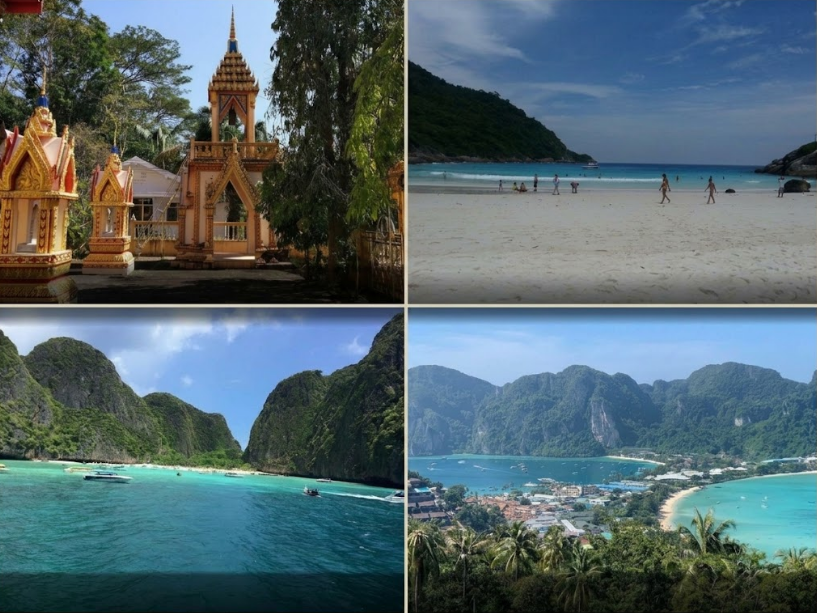
The municipal traffic grid relies on a rigid one-way system. Passenger vans, modified open-air trucks, and thousands of rental motorbikes share the same narrow lanes. The sheer volume of vehicles frequently collapses the traffic flow, creating static gridlock that lasts for hours. The density maxes out the local wastewater treatment capabilities. Heavy monsoon rains overwhelm the storm drains, pushing untreated surface runoff directly into the ocean. The municipality operates massive pumping stations to mitigate this exact flooding, moving millions of gallons of water out of the commercial basin.
Luxury Hospitality And The Western Headlands
High-net-worth consumers target the isolated western headlands near Kamala, Surin, and Bang Tao. Properties in these specific zones command peak market rates by providing total geographic isolation. The physical separation creates a secure perimeter and blocks the ambient noise of the heavy commercial districts. Developers utilize the steep cliff faces to engineer private pool villas looking directly out over the Andaman Sea.
Operating a luxury resort on a vertical cliff requires extreme architectural engineering. The maintenance teams utilize funicular railways and heavy motorized buggies to move supplies and personnel up and down the extreme gradients. The structural foundations require deep steel pilings driven straight into the granite bedrock to prevent catastrophic soil erosion during the wet season. Travelers building broad Asia travel itineraries frequently select these specific luxury properties to secure immediate ocean views without interacting with the chaotic public beach infrastructure found further south.
Sino-Portuguese Architecture In Phuket Old Town
The modern economy relies entirely on international tourism. The historical foundation stems from massive 19th-century tin mining operations. Chinese and European merchants flooded the island to extract and export this heavy metal. The resulting wealth generated a distinct Sino-Portuguese architectural style in the exact center of the island. Thick masonry walls, covered pedestrian arcades, and narrow wooden shutters define these historical shophouses.
The local municipality executed a massive urban revitalization project in this specific district. Engineers buried the overhead power lines, removing the massive webs of black cables that previously obscured the historic facades. The district now operates as a highly specialized retail and culinary corridor. The ancient shophouses hold boutique coffee roasters, independent art galleries, and high-end restaurants executing traditional Peranakan recipes. The structural preservation of these buildings requires constant monitoring. The porous masonry absorbs massive amounts of moisture during the rainy season, forcing owners to execute continuous plaster repairs and fresh paint applications to prevent black mold from destroying the interior walls.
Marine Operations And The Phi Phi Transit Corridor
Island hopping requires heavy maritime infrastructure. Rassada Pier and Chalong Pier operate as the primary launch points for the entire southern region. Hundreds of fiberglass speedboats and heavy steel passenger ferries depart every morning. These vessels move thousands of tourists across the open water to the Phi Phi Islands, the Racha archipelago, and Koh Yao Noi. The fuel consumption and mechanical maintenance of this massive fleet dictate a huge portion of the local industrial economy.
The speedboat operators face severe logistical variables every single day. The Andaman Sea generates unpredictable wave patterns. Boat captains must calculate the exact fuel load required to cross the channel and return safely against shifting tidal currents. The massive diesel engines require continuous mechanical overhauls. The eastern ports feature heavy drydock facilities where engineers pull the boats entirely out of the water to scrape barnacles off the hulls and replace the heavy bronze propellers damaged by shallow reef impacts.
Seasonal Weather Cycles And The Southwest Monsoon
The operational schedule of the entire island bends to the seasonal weather patterns. The Southwest Monsoon arrives in May and runs straight through October. Heavy tropical depressions push massive swells directly into the western beaches. The local marine authorities raise red flags across the sand, strictly prohibiting swimming. Severe rip currents form just offshore, capable of pulling adult swimmers hundreds of meters out into deep water in a matter of seconds.
The Northeast Monsoon arrives in November. The wind direction reverses completely, blowing off the Asian landmass. This shift flattens the ocean surface on the western coast, providing the clear underwater visibility required for commercial scuba diving operations. Tracking these exact barometric shifts remains a daily requirement for every boat operator and hotel manager on the island. The official forecasts issued by the Thai Meteorological Department dictate the cancellation of ferry routes and the deployment of municipal flood response teams during the heaviest September rainfalls.
Environmental Degradation And Coral Reef Management
The sheer volume of human traffic inflicts severe damage on the local marine ecosystems. The coral reefs suffer from direct mechanical destruction. Inexperienced boat operators drop heavy steel anchors directly onto fragile coral branches. Massive crowds of snorkelers step on the living polyps, crushing decades of slow marine growth in a single afternoon. The warming ocean temperatures trigger massive coral bleaching events, turning the complex reefs into dead, white skeletal structures.
The Thai government executes hard closures of specific marine parks to force environmental recovery. The closure of Maya Bay on nearby Phi Phi Leh demonstrated this aggressive management strategy. The authorities completely blocked boat access for years, allowing the blacktip reef sharks to return to the shallow waters. This strict environmental management forces local tour operators in Phuket to constantly adjust their daily routing, spreading the heavy passenger volume across secondary islands to prevent total ecological collapse in the primary zones.
Real Estate Economics And The Expatriate Market
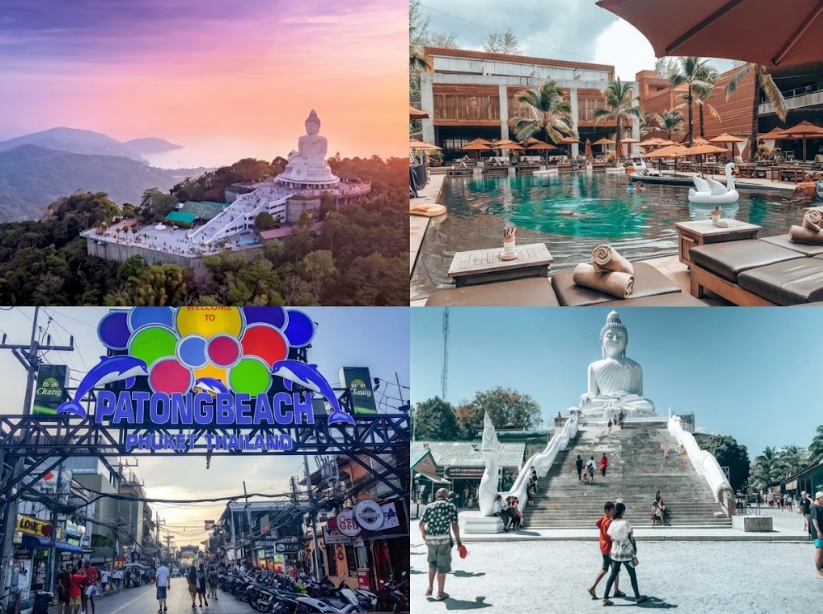
Foreign capital completely dominates the local real estate market. Development firms clear steep hillsides to construct massive condominium blocks. These projects target expatriates, retirees, and foreign investors seeking high-yield rental returns. The national legal framework strictly limits direct foreign land ownership. Buyers bypass this restriction by utilizing complex long-term leasehold agreements or establishing local corporate entities to hold the property deeds.
The resulting construction boom places immense pressure on the physical infrastructure of the island. The electrical grid requires constant upgrades to support the thousands of new air conditioning units installed every month. The municipal water supply relies entirely on three primary reservoirs: Bang Wad, Bang Neow Dum, and Khlong Kata. A delayed monsoon season threatens the entire island with severe drought. The municipal water authority frequently executes rolling water shutoffs during the hottest months, forcing the massive hotels to purchase fresh water from private trucking syndicates to keep their swimming pools filled and their kitchens operating.
Highway Infrastructure And The Sarasin Bridge
Phuket connects to the mainland via the Sarasin Bridge. This short concrete span crosses the narrow Pak Prah strait, linking the island directly to the Phang Nga province. Route 402, known locally as Thepkasattri Road, serves as the singular highway funneling cargo trucks and passenger vehicles from this bridge straight down the center of the island. Every piece of construction steel, every liter of aviation fuel, and every crate of fresh produce enters the island across this exact bridge.
The constant flow of heavy logistics across this single artery creates permanent daily traffic friction. A single traffic accident on Route 402 immediately severs the logistical supply chain, backing up delivery trucks for miles in both directions. The provincial government constantly pitches plans for a massive light rail transit system to connect the northern airport directly to the southern ports. The required land acquisition costs and the massive engineering required to lay steel rails through the dense urban grid keep this mass transit project permanently stalled in the planning phases. The island continues to rely entirely on internal combustion engines and rubber tires to move its massive human and commercial cargo.
Inland Agriculture And Rubber Plantations
The coastal perimeter holds the hotels, and the mountainous interior holds the agricultural output. Before the tourism boom, the local economy relied heavily on massive rubber plantations. Thousands of acres of Hevea brasiliensis trees still cover the eastern slopes of the island. The agricultural workers operate on a strict nocturnal schedule. They tap the tree trunks long before dawn, collecting the raw liquid latex before the intense midday heat causes the sap to coagulate prematurely.
The global commodity pricing of natural rubber dictates the financial stability of the local farming syndicates. The rapid expansion of the real estate market creates immense pressure on these agricultural zones. Developers offer massive sums of cash to purchase the flat plantation land, bulldozing the rubber trees to pour concrete foundations for new luxury housing estates. The total acreage dedicated to agriculture shrinks every single year, transforming the island from a resource-extraction economy into a pure service and hospitality market.
Desalination And Future Utility Pressures
The finite freshwater supply forces the private sector to engineer independent utility solutions. The high-end resorts operating on the isolated western headlands cannot rely on the municipal pipe network. These properties install massive reverse osmosis desalination plants directly on their grounds. They pull saltwater from the Andaman Sea, push it through heavy industrial membranes at extreme pressure, and produce thousands of gallons of fresh water every day.
The operation of these desalination plants requires massive electrical consumption. The resorts offset this demand by installing heavy solar panel grids across their flat roof structures. The future operational stability of the entire island depends entirely on scaling these exact technologies. The municipal government faces the mathematical reality that the annual volume of arriving tourists vastly exceeds the natural replenishment rate of the local reservoirs. Pushing the infrastructure to support millions of annual visitors requires continuous, massive capital investment in the foundational utilities hidden far beneath the luxury hotel lobbies and the crowded commercial beaches.