
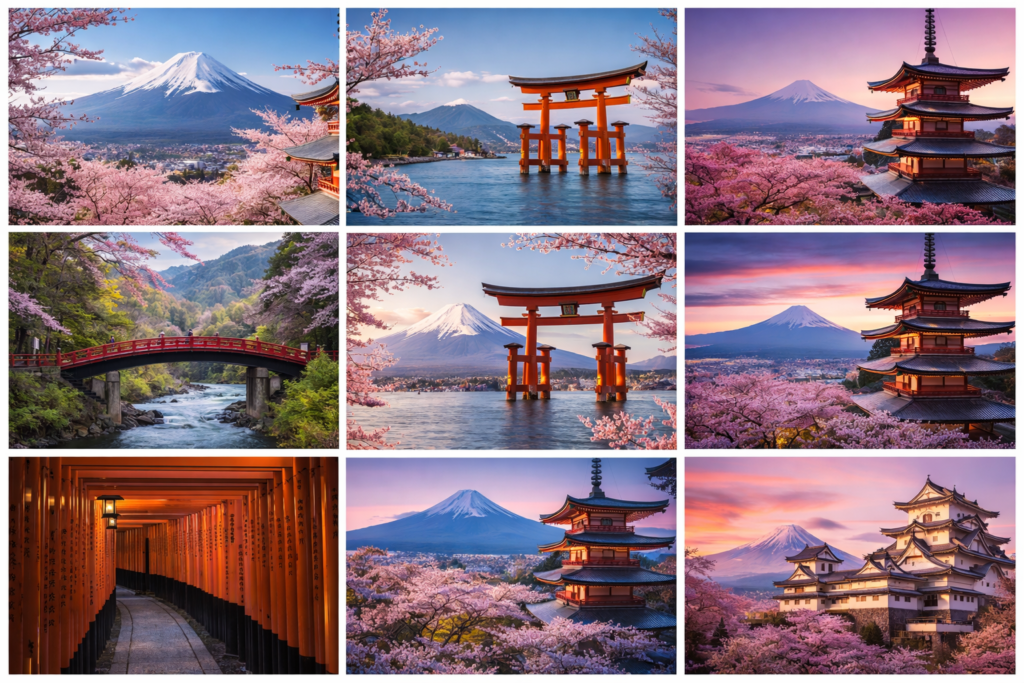
Japan is one of the world’s most fascinating travel destinations — a country where ancient traditions coexist seamlessly with futuristic cities. From historic temples and peaceful gardens to high-speed trains and neon-lit skylines, Japan offers travelers a unique blend of culture, innovation, cuisine, and natural beauty.
In recent global travel rankings, Japan has continued to rise as a top destination worldwide, attracting record numbers of international visitors and maintaining strong global appeal among travelers seeking meaningful experiences.
🗾 Why Visit Japan?
Japan stands out as one of the world’s most fascinating travel destinations because few countries offer such extraordinary diversity in a single journey. From ancient spirituality to futuristic cities, every experience feels unique yet deeply connected to tradition.
- 🏯 Thousands of historic temples and shrines
- 🍣 World-famous cuisine and culinary culture
- 🚄 Ultra-efficient transportation systems
- 🌸 Seasonal beauty (cherry blossoms, autumn foliage, snow landscapes)
- 🧘 Deep cultural traditions and etiquette
Tourism has surged in recent years, with Japan welcoming over 42 million visitors in 2025, showing its growing global popularity.
🏙️ Tokyo — The Future Meets Tradition
Tokyo, the vibrant capital of Japan, is often a traveler’s first encounter with the country — and an unforgettable one. A city of dazzling contrasts, Tokyo seamlessly blends ancient heritage with cutting-edge innovation, where centuries-old temples stand peacefully beside skyscrapers, neon streets, and advanced technology. As one of the world’s largest and most dynamic metropolitan areas, Tokyo offers an experience that feels both futuristic and deeply rooted in tradition
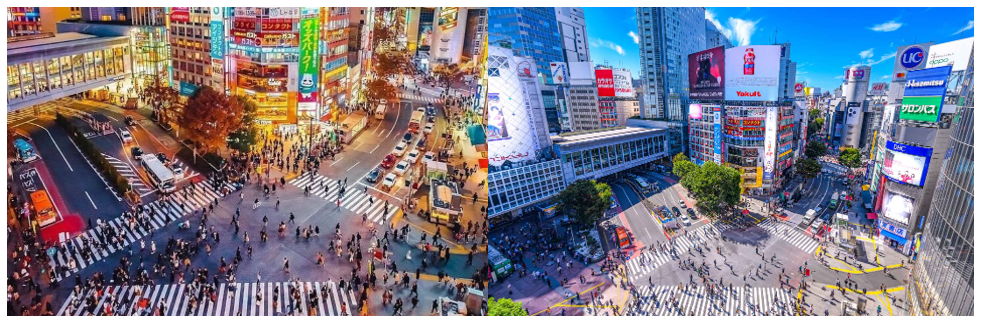
Tokyo’s uniqueness lies in its ability to balance rapid modernization with cultural preservation. Historic districts preserve the atmosphere of old Edo-era Japan, while nearby neighborhoods showcase fashion trends, robotics, digital art, and global pop culture. Visitors can move from quiet shrine grounds to buzzing entertainment districts within minutes — a reflection of Japan’s harmony between progress and tradition.
⛩️ Kyoto — The Cultural Heart of Japan
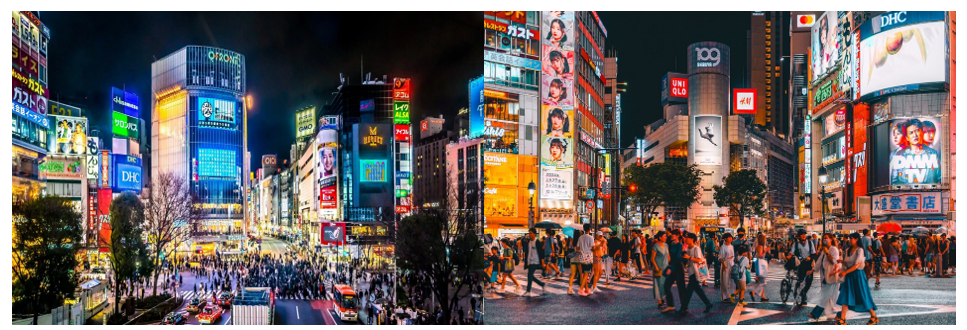
A Timeless Journey Through Tradition, Temples, and Living Heritage. Kyoto is widely regarded as the cultural soul of Japan, a city where centuries-old traditions are not preserved behind museum walls but woven into everyday life. Founded in 794 as Japan’s imperial capital, Kyoto remained the nation’s political and cultural center for more than a millennium, shaping the artistic, spiritual, and architectural identity of the country. Today, its historic temples, gardens, and traditional districts stand as living expressions of Japanese heritage, many recognized collectively as UNESCO World Heritage monuments that reflect over a thousand years of cultural development
🌸 Kyoto’s Timeless Beauty
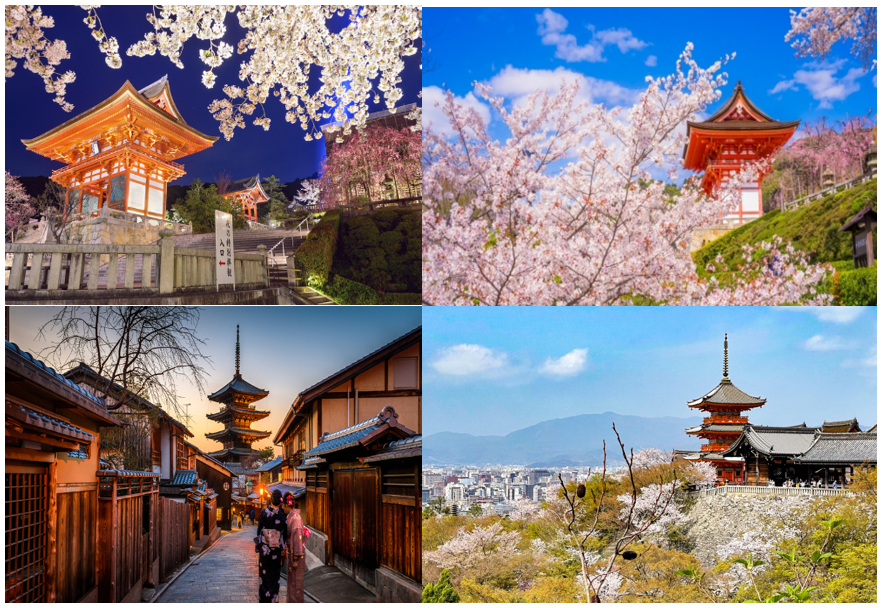
Unlike Japan’s fast-paced modern metropolises, Kyoto invites travelers to slow their rhythm and experience a deeper connection to history and ritual. Quiet temple pathways, refined tea ceremonies, Zen gardens, and preserved wooden neighborhoods create an atmosphere where past and present exist in harmony. Here, cultural practices such as tea culture, traditional arts, and seasonal festivals continue as part of daily life rather than staged performances.
Kyoto is also celebrated worldwide for its breathtaking seasonal beauty. In spring, delicate cherry blossoms transform temple grounds into soft landscapes of pink, while autumn ignites the surrounding hills with vivid shades of crimson and gold. Historic shrines framed by nature create scenes that feel timeless — landscapes that appear almost unchanged across centuries, capturing the essence of Japan’s enduring relationship with nature and aesthetics.
🗻 Mount Fuji — Japan’s Iconic Natural Wonder
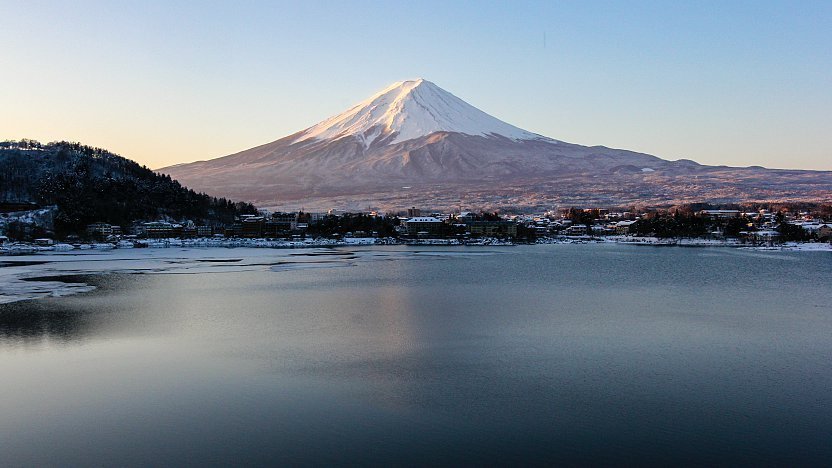
Mount Fuji stands as Japan’s most recognizable natural landmark — a perfectly symmetrical volcanic peak rising 3,776 meters above central Honshu, making it the tallest mountain in the country. More than a geographic feature, Fuji is a powerful national symbol, deeply woven into Japan’s spiritual traditions, artistic history, and cultural identity.
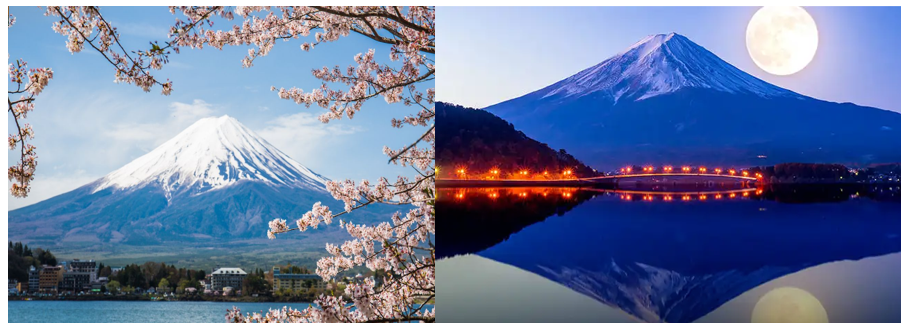
For centuries, the mountain has inspired poets, painters, and pilgrims. Its snow-capped silhouette overlooking lakes, forests, and villages has long been regarded as sacred, blending Shinto and Buddhist beliefs that connect nature with spiritual renewal. Recognized as a UNESCO World Heritage Site, Mount Fuji is celebrated not only for its natural beauty but also as a “source of artistic inspiration” and a place of pilgrimage dating back hundreds of years. Today, Mount Fuji attracts photographers, hikers, and nature lovers year-round, offering experiences that range from peaceful scenic viewing to unforgettable summit adventures.
🍜 Japanese Cuisine — A Cultural Experience
Food in Japan is far more than nourishment — it is an art form shaped by philosophy, tradition, and deep respect for nature. Known as washoku, or traditional Japanese cuisine, Japan’s culinary culture emphasizes seasonality, visual harmony, nutritional balance, and the natural flavors of carefully selected ingredients. In recognition of its cultural significance, washoku was inscribed on UNESCO’s Intangible Cultural Heritage list in 2013, honoring it as a living tradition passed down through generations and closely tied to Japanese identity and seasonal rituals. At the heart of Japanese cooking lies a simple but powerful principle: food should reflect nature. Meals highlight fresh, locally sourced ingredients prepared in ways that enhance rather than overpower their natural taste. Presentation is equally important — dishes are arranged to mirror the changing seasons, transforming every meal into a visual and sensory experience.
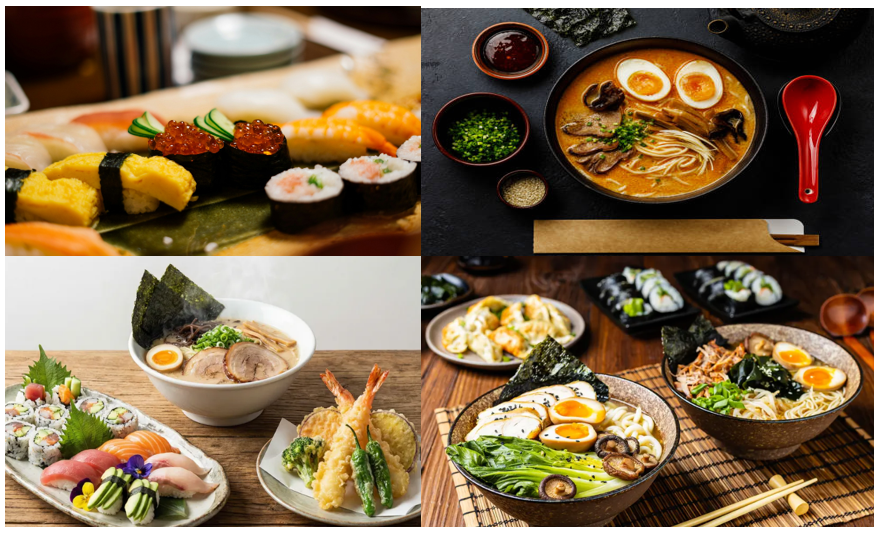
✨ Why Japanese Cuisine Is Unique
Japanese food culture stands apart because it combines:
- Respect for seasonal ingredients
- Artistic presentation and aesthetics
- Nutritional balance rooted in tradition
- Cultural rituals shared through meals
Dining in Japan engages all the senses — taste, sight, aroma, texture, and atmosphere — transforming eating into a mindful cultural experience rather than a routine activity.
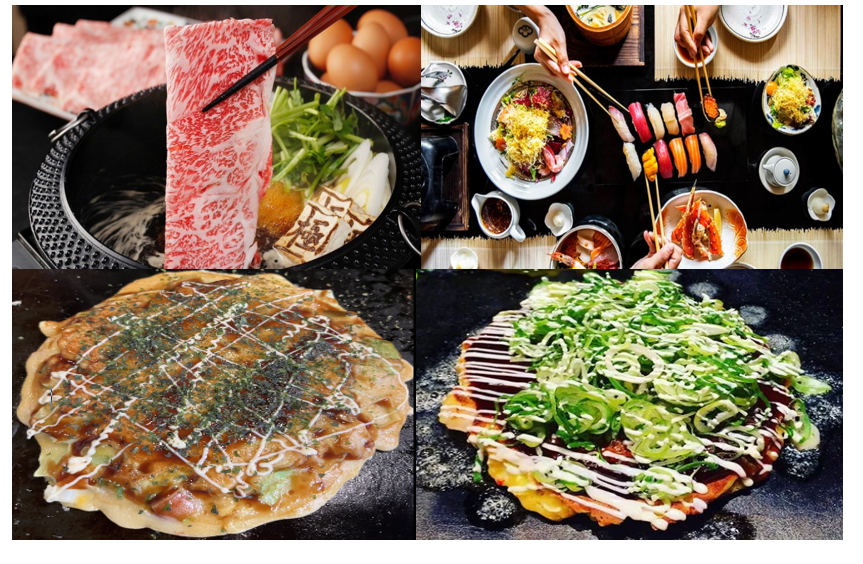
Dining etiquette is important; even small details like avoiding strong perfume at sushi restaurants reflect Japan’s respect for sensory balance and tradition.Japanese dining etiquette reflects values of mindfulness and respect:
- Say itadakimasu before eating and gochisousama deshita after meals to express gratitude.
- Avoid strong perfumes at sushi restaurants because scent can interfere with delicate food aromas — an important cultural consideration.
- Wait for everyone to begin eating together.
- Appreciate presentation as part of the experience.
Meals in Japan are meant to engage all senses — taste, sight, smell, and atmosphere.
🌏 Travel Trends Shaping Japan Today
Japan’s tourism industry is evolving toward quality experiences rather than just visitor numbers.
Key trends include:
- Longer stays and cultural immersion
- Regional travel beyond major cities
- Higher experiential spending by travelers
Even as visitor growth stabilizes, tourism revenue continues rising due to deeper travel experiences. Japan remains one of the most rewarding destinations in the world because it offers contrast:
- Ancient shrines beside skyscrapers
- Silence and serenity alongside vibrant nightlife
- Deep tradition balanced with technological innovation
Whether you seek cultural discovery, culinary excellence, or breathtaking landscapes, Japan delivers an unforgettable journey — and continues to shape the future of global travel.