
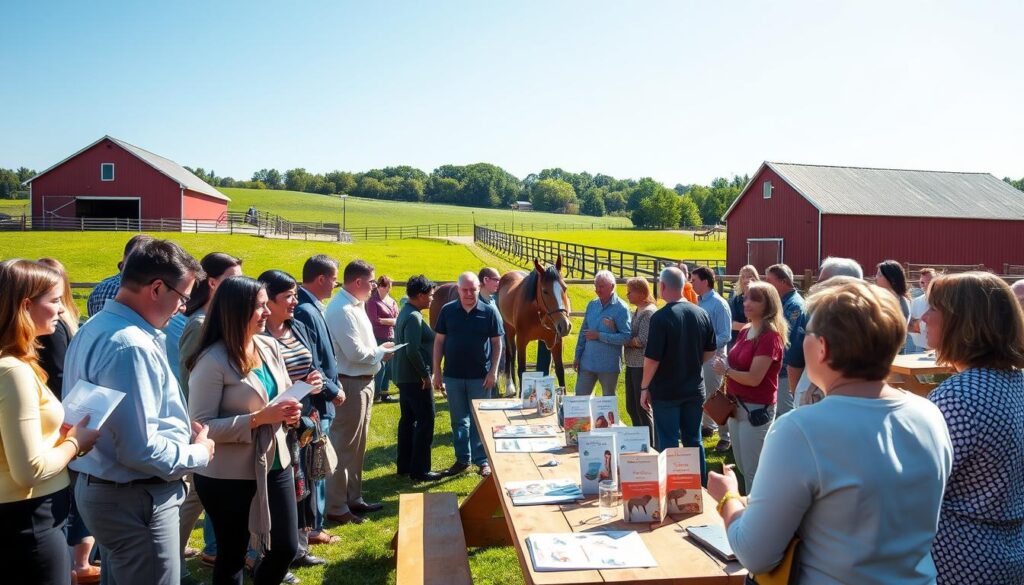
Let’s be honest. Scrolling through social media equestrian posts can feel like watching a highlight reel of other people’s unbreakable bonds. You see the perfect partnerships, the flawless rides. Then you look around your own barn. Crickets.
It’s the modern equestrian paradox. We’re globally connected yet profoundly locally isolated. Comments from riders like Coni, who deeply miss the community they had “back home,” aren’t outliers. They’re a diagnosis.
This digital-age loneliness isn’t just about missing a trail-riding buddy. It’s about the gap between the curated online horse-life we consume and the real-world, barn-siloed existence many of us live. Stories like “Meet Luna” aren’t just cute—they’re mirrors.
They show us what we’re craving: real, boots-on-the-ground connection. This section isn’t about wishing for a tribe. It’s about building one from the dirt up.
Finding Existing Groups in Your Area
Before you start making flyers, first explore your area’s horse scene online. Look for the real, grassroots groups, not big, formal clubs. These are the groups that share tips and plan rides.
It’s like being a digital detective. Look for clues on social media. Your goal is to understand the local horse community before you try to add to it.
Think like a search engine. They love finding clusters of activity. Instead of just typing “horse groups near me,” search in a way that gets you real results.
Start by looking at online clues. Find vague Facebook events or comments on local feed store posts. See who’s tagged in Instagram photos with #horsegirl.
These small clues are the heart of local horse groups waiting to be found. Your task is to put the pieces together.
To find these groups, use platforms where horse lovers really connect. Each platform gives different clues. Stay focused and avoid getting sidetracked by funny videos.
| Platform | Best Search Tactic | What You’re Really Looking For |
|---|---|---|
| Search Events by location and keywords like “trail,” “clinic,” or “meetup.” Join local “Buy/Sell Tack” groups and observe. | The comment section. This is where plans are made, rides are organized, and the true community reveals itself. | |
| Use location-specific hashtags (#[YourTown]Equestrian) and browse recent photos geo-tagged at popular trails or arenas. | Recurring faces and horses. Identify the regulars who are already meeting up. Their networks are your target. | |
| Nextdoor & Local Forums | Search archives for horse-related posts. Be specific: “boarding,” “farrier recommendations,” “riding buddy.” | The “off-topic” connections. Conversations about vets often spin off into plans for group lessons or shared transport. |
This method helps you see beyond the surface. You’re not just browsing; you’re studying the community’s online presence. You’ll notice patterns, like who likes each other’s posts and when rides happen.
This information is invaluable for grassroots organizing. It shows you who connects people, what activities are popular, and where there’s a need. You might find a group for trail riding but not dressage, or a need for a group for beginners.
By doing this detective work, you save time and effort. You might find a group to join or learn what’s missing. This sets the stage for your own successful project.
Starting Your First Regional Meetup
Your first regional meetup doesn’t need fancy things like matching shirts or a big plan. It just needs one person to say ‘I’ll start.’ This is the heart of community building—turning a single idea into a group effort.
It’s like overcoming a big hurdle. You’re not just planning an event; you’re showing others it’s worth trying. This first step is often the hardest part.
The trick is to think like a startup founder. What’s the simplest thing needed for a successful first meetup? It’s not fancy tents or swag.
Your MVP has three parts: one host, two or three guests, and three hours on the calendar. That’s it. This simple approach helps avoid getting stuck in details.
Look at social media. Someone posts “Meet my horse, Diesel!” That’s a spark waiting to be fanned into a flame. Your first meetup is about answering that spark with an invitation.
Make the first gathering easy and casual. A “coffee and carrots” meetup at a park is perfect. The goal is to help people talk, not to follow a strict plan.
Remember, starting conversations online can be tough. As the founder, you’re setting the example. You’re showing what it means to be open and build a community.
Make the invitation relaxed. “Come if you want, or just to chat.” This makes it easy for everyone to join in, even if they’re nervous.
Real connections happen fast. People find common ground and form bonds. This energy turns into something new and exciting.
Success isn’t just about how many people show up. It’s about connections made and plans for future meetups. That’s when your grassroots organizing really takes off.
Your first meetup is like a prototype. It might be a bit rough, but it’s a start. Expect some awkward moments, but they’re worth it.
The energy for connecting is already out there. Your job is to bring people together. Be brave and go first, and watch as others follow.
Venue Selection for Horse-Friendly Meetings
Choosing where your local horse groups meet is more than just a decision. It’s like picking a campaign headquarters. The venue shows what your community values before you even shake hands or pick a hoof.
A small corner in a busy barn lobby says, “We’re an afterthought.” But a wide view at a private sanctuary says, “This is our mission field.” Your location speaks volumes.
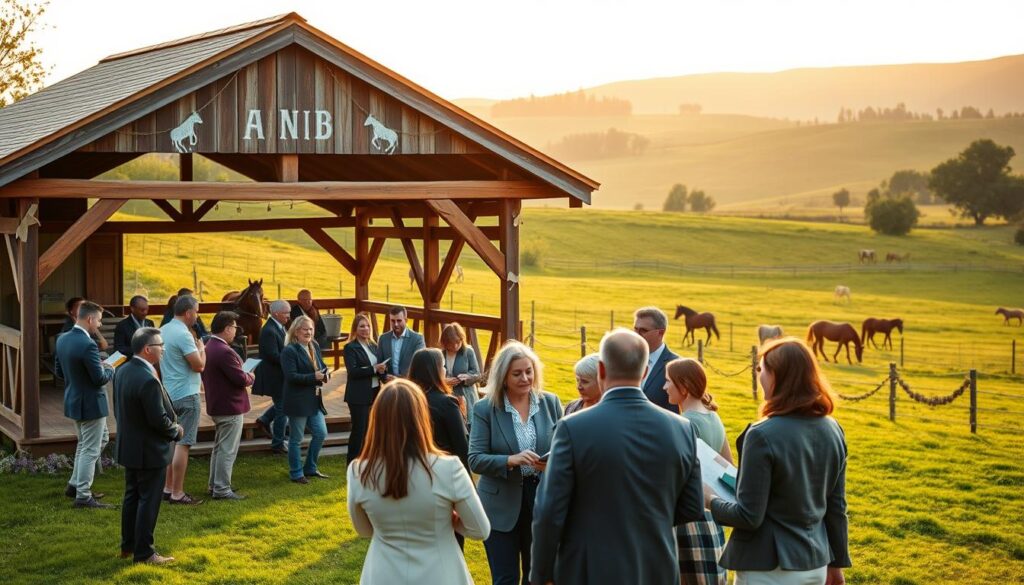
Think of it like a strategist picking a rally site. You’re not just looking for a place to meet. You’re creating an experience. Our data shows three main types of venues: sanctuaries, boarding stables, and private farms. Each has its own vibe.
So, what should you look for in a venue? It’s not just about having horses.
Parking: You need space for trucks, trailers, and old Subarus. Bad parking can ruin first impressions.
Liability: This is the important but boring part. Make sure the venue has insurance for visitors. Without it, you could face a lawsuit that could end your group.
The Vibe: This is hard to describe but very important. Does the space feel like a heartfelt documentary or a corporate event? The atmosphere affects how people share their stories or just check their phones.
The table below shows the pros and cons of each venue type. Choose carefully.
| Venue Type | Vibe & Message | Key Advantages | Critical Considerations |
|---|---|---|---|
| Private Sanctuary/Farm | Purpose-driven, inspirational, intimate. Feels like a “cause.” | Built-in moral mission; often has dedicated meeting space; controlled, quiet environment. | May have limited capacity; access can be restricted; owner’s personal philosophy may dominate. |
| Boarding Stable | Utilitarian, communal, busy. The “everyday grind” of horse life. | Central for many owners; no travel for residents; often has arenas or round pens for demos. | Can be noisy/distracting; may lack private meeting area; feels less “special” than an event. |
| Public Park/Trailhead | Adventurous, inclusive, casual. Whispers “open to all.” | Neutral, non-commercial ground; great for “meet and ride” events; highly visible. | Zero control over weather or interruptions; liability falls entirely on organizers; no equine facilities. |
Each venue has its own trade-offs. Sanctuaries offer a strong message but might feel exclusive. Boarding stables are convenient but rarely magical. Public parks are welcoming but can be unreliable.
Private farms are a unique choice. They offer control and a real atmosphere. But, do they build a community or just host gatherings at someone’s home? The vibe can be personal or proprietary.
Your venue sets the stage for your group’s story. A dusty arena suggests you’re just passing time. A chosen space with purpose shows you’re building something. Choose a setting that matches the story you want to tell.
Structuring Meetings for Maximum Engagement
Social media algorithms know how to keep people engaged, and so can you when planning meetings. They use a pattern: hook, story, connection. Your meetings should follow a similar pattern, but without tracking people’s data.
Think of your meeting like a playlist. Start with something catchy to get everyone’s attention. Then add deeper songs that reward those who listen. Finish with a song that leaves everyone wanting more.
Successful horse communities online show us what works. They start with a shared experience. “Meet Luna” stories are great because they’re relatable. Asking about pets works because it’s easy to answer.
This isn’t about being formal. It’s about avoiding awkward silences. We’re creating chances for meaningful conversations, like those in comment sections.
The first part of your meeting is key. Start with a hands-on activity. A group groom or a walk around the property works well. It does three things right away.
First, it helps people relax by giving them something to do. Second, it keeps the horses busy. Third, it creates a common experience for everyone.
This is like the best social media hooks. It’s easy to participate. No one needs to be clever while grooming a horse. The conversation flows naturally.
After the icebreaker, move to structured sharing. This is like the “Tell us about your training win this week!” posts. Go around the circle with a specific question. Keep it positive and focused on achievements.
The magic happens in the middle section. This is where you dive into deep topics. Split into groups of 3-4 people. Give them a specific question to solve.
Maybe it’s “What’s one hack for loading a reluctant traveler?” or “How do you keep weight on a senior horse in winter?” The key is to be specific. Vague topics lead to awkward silences. Specific problems spark solutions.
This approach turns passive attendees into active contributors. It’s like a thriving comment thread. Everyone has something valuable to share, even if they don’t realize it yet.
Always end with something exciting. Announce the next meetup date. Suggest a theme for the next gathering. Ask for topic requests. This creates anticipation, like “Stay tuned for part two!”
Below is a template agenda that balances structure with flexibility. It’s designed to prevent people from clumping together while maximizing genuine connection.
| Time Block | Activity | Primary Purpose | Social Media Parallel |
|---|---|---|---|
| First 15 mins | Arrival & Shared Activity | Break physical & social ice | The “engagement bait” hook post |
| Next 20 mins | Round Robin Introductions | Establish common ground | “Tell us your story” comment prompt |
| Middle 30 mins | Small Group Problem-Solving | Generate practical value | Niche discussion thread depth |
| Final 15 mins | Full Group Share & Next Steps | Create continuity & anticipation | The “follow for part 2” call-to-action |
Notice how each segment serves a distinct purpose. The shared activity lowers barriers. The introductions build familiarity. The small groups create intimacy. The closing ritual ensures continuity.
This structure actively fosters community building by design. It turns a random group of horse people into a network of shared knowledge. The agenda becomes the framework for building relationships.
Don’t be tempted to keep things “loose.” Ambiguity is the enemy of engagement. People and horses thrive on gentle predictability. They need to know what’s coming next, even if the content is spontaneous.
The most successful community building happens when structure creates space for authenticity. Think of it as building a great arena fence. It defines the space safely, so everyone inside can move freely without fear of drifting into awkward territory.
Your horses will thank you for the thoughtful planning. They’ll be happier with clear expectations and varied activities. And you’ll leave each gathering feeling like you’ve actually moved the needle on your local equestrian network.
Remember: engagement isn’t magic. It’s mechanical. You’re simply assembling the right parts in the right order. The chemistry that follows—that’s where the real magic happens.
Incorporating Educational Components
The best regional rescue networks are built on shared knowledge, not just friendship. I’ve seen how a simple question about a horse’s health can change a whole conversation. It’s amazing how much you can learn.
Think of your group as a place where everyone teaches and learns. It’s like a book club, but instead of just reading, you’re discussing and growing together. Your meetings become a place of discovery and growth.
Posts like JCS Equestrian’s stories about her horses are full of learning. They teach about different breeds, training, and care. This sharing is what makes a community strong.
We can make learning the focus of our gatherings. Here’s how:
| Format | What It Looks Like | Ideal Duration | Best For |
|---|---|---|---|
| Skill Share | One member shows how to load a trailer or do bodywork | 15-20 minutes | Practical, hands-on learners |
| Expert Q&A | A local expert answers questions on farriery, vet care, or nutrition | 30 minutes | Answering specific community questions |
| Case Study | A deep dive into one horse’s journey from rescue to riding | 20 minutes | Story-driven learners |
| Hands-On Demo | Group practice with emergency bandaging or tack fitting | 25 minutes | Kinesthetic learners |
The magic is in the short skill shares. Someone might show how to calm an anxious horse with clippers. Another might talk about pasture rotation for metabolic issues. These small lessons make a big impact.
This approach taps into the wisdom of your community. You’re not just hosting events. You’re creating value that makes people eager to learn more.
By documenting these moments, you strengthen your network. Consider making a community resource guide to capture shared knowledge. This guide becomes a living document for your regional rescue network.
The goal isn’t to make everyone an expert. It’s to make them a little wiser than they were before. Share one fun fact, one safety tip, or one nutrition trick at a time.
When knowledge flows freely, your meetup becomes more than just a calendar item. It becomes the intellectual hub where your regional rescue network grows smarter and stronger together.
Building Partnerships with Local Rescues
Let’s get real for a moment: working with a horse rescue is smart, not just kind. It’s like a business partnership where everyone wins. Your grassroots organizing has built a strong community. The rescue has a clear mission and a network you can’t replicate.
What do they get? Simple. A rescue like Timber Ranch needs visibility and help. Your group becomes a volunteer force for many tasks. You’re not just giving money; you’re helping them do more.
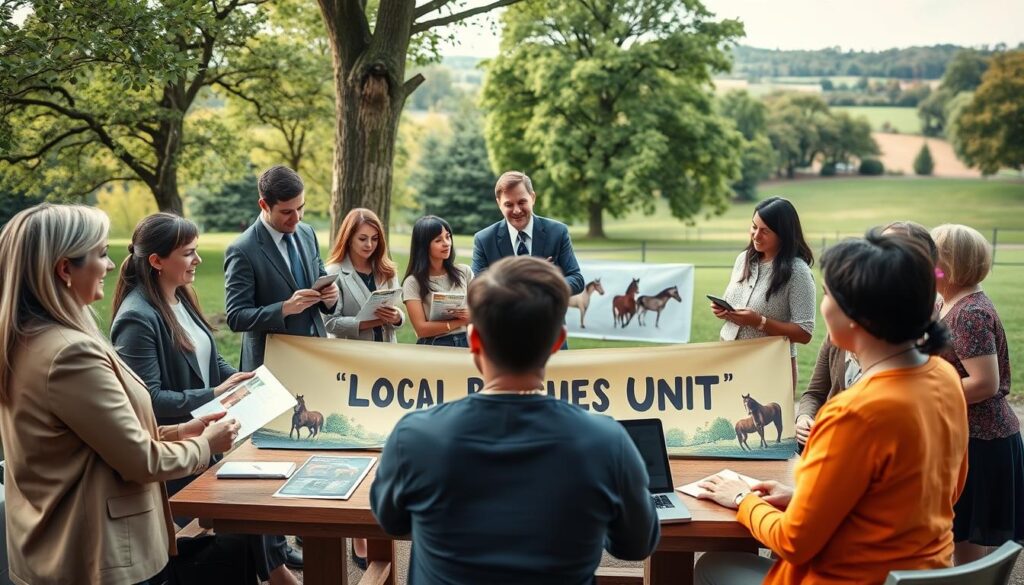
And what’s in it for you? This is where the magic is. A rescue gives you a clear purpose beyond just riding. They bring in experts for your meetings, making your group’s mission stronger. This creates a sense of real accomplishment, bringing your community closer together.
Look at how a sanctuary like Timber Ranch presents itself online. Their social media is more than just cute pictures. It’s a lesson in telling stories and promoting their mission. By teaming up with them, your group gains that same weight and influence.
This partnership turns your grassroots organizing into real change. It gives your group a reason to keep going. The work becomes meaningful, building loyalty and growth. It’s the boost your community needs.
So, see this as a negotiation, not just a favor. Figure out what you can offer and what you need back. This partnership can turn a casual group into a real force for good in your area.
Seasonal Event Planning Ideas
Is your monthly meetup feeling like a repeat? It’s time to use the calendar as your guide. Seasonal events can turn your local horse groups into a year-long celebration. They create excitement and anticipation for the next event.
Why does this work? People love new things. The same old talk every month gets ignored. But a spring clinic followed by a summer ride is exciting. It gives everyone something to look forward to.
Spring is more than just mud and shedding. It’s a time for renewal. Plan events that match the season’s mood. A “Clinic & Clean-Up” day is a great idea. It combines learning with a practical task.
Consider a “Trail Scouting Expedition” in spring. It’s a chance to explore after winter. It’s fun and practical, getting everyone excited for summer.
Summer: Capitalizing on Long Days & Shared Spirit
Summer is your big event season. Aim for unforgettable experiences. A full moon trail ride is perfect for this. It’s exciting and builds trust among riders.
Try a “Popsicles & Ponies” social in the summer heat. It’s fun and welcoming. For more, plan a beach ride or camping trip. These events become legendary stories in your local horse group.
Fall: Harnessing the Harvest Energy
Fall brings crisp air and tradition. A fall costume parade is joyful. It’s fun to see horses and ponies in costumes.
Organize a “Hayride & Bonfire” evening. It’s cozy and fun. It attracts more than just riders, showing the community side of your local horse groups.
Winter: The Strategic Indoor Season
Winter means indoor events. Use this time to learn. A seminar series on equine topics is great. Partner with experts for credibility.
Host a “Film & Forum” night. Screen equestrian documentaries and discuss them. Or plan a “Goal-Setting Workshop” for the new year. These events make your group a valuable resource.
The magic is in the cycle of events. Spring leads to summer, which leads to fall, and so on. This creates momentum and keeps members engaged.
Soon, people will be excited for the next event. This shift shows your community is thriving. Your calendar promises a variety of meaningful experiences, keeping everyone involved all year.
Growing from 5 to 50+ Regular Attendees
Scaling a local horse welfare group from a few to many is not just about adding people. It’s about creating a community. Going from five to fifty is like changing from a small dinner to a big festival. Both are great, but they need different plans.
Most groups fail when they grow too fast. They focus on adding more people instead of building strong connections. This leads to a weak mission, cliques, and losing that special magic.
The key is not in big marketing campaigns. It’s in the social physics of your current members. Think of your first five as your group’s story. Your job is to make each one a storyteller and recruiter. This is true grassroots organizing.
Delegating tasks is not about losing control. It’s about creating a team that works like a healthy community. Some members become experts in certain areas. This prevents burnout.
Finding the right people is easy. They’re the ones who always help out or remember everyone’s horse’s name. Give them a title and a small task. “Barn Liaison” or “Newcomer Welcomer” works well.
Scaling up brings challenges like cliques and logistical issues. These can stop growth. For example, parking for 50 trucks and trailers can be a big problem.
Growth happens naturally, like online communities. It’s not about one big event. It’s about consistent, shareable experiences. Every meetup should be memorable and worth talking about.
| Growth Phase | Key Focus | Ambassador Task | Warning Sign |
|---|---|---|---|
| Phase 1: 5 to 15 | Building Core Trust | Personal Invitations | Same 5 people talking each time |
| Phase 2: 15 to 30 | Creating Sub-Groups | Facilitating Introductions | Newcomers feeling isolated |
| Phase 3: 30 to 50+ | Managing Logistics | Coordinating Practical Details | Parking chaos & event overwhelm |
| Phase 4: 50+ | Sustaining the Culture | Mentoring New Leaders | Founder becoming the sole bottleneck |
That image is more than just a picture. It shows the network effect you’re aiming for. Each connection can bring in new members and stories.
Successful communities grow by making every experience positive. The goal is to have 35 people show up, every single time, and bring a friend next month.
This is advanced community building. It needs the skill of a sociologist and the patience of a saint. You’re managing culture, delegating tasks, and keeping the community feel alive as it grows.
Remember, growth is about more meaningful participation. That’s the key to successful grassroots organizing.
Sustaining Momentum Year-Round
The real test of any local horse welfare community isn’t the launch party. It’s month six. It’s that rainy Tuesday when only three people show up. The ultimate challenge in building a community isn’t starting something; it’s keeping it going without burning out.
Think of your meetup like a horse you’ve owned for 10+ years. Building a deep bond takes time and consistent care. Founder fatigue is a real issue. The smart approach? Create systems, not rely on one person. Rotate leadership roles early to bring in fresh ideas.
Celebrate your group’s small victories. Mark your meetup’s “birthday.” Recognize the volunteer who helped with five clean-up days at a local rescue. These moments create shared history and turn a casual gathering into a real community.
Attendance will change over time. People move for jobs or catch the travel bug. But, they might come back to your group. Don’t worry about the ups and downs.
The best way to stay strong? Connect your group to a bigger purpose. Support regional rescue networks. When your meetup helps with volunteers, donations, and foster homes, it becomes resilient.
Your final goal is simple. Build a local horse welfare community that lasts beyond your involvement. Create a permanent, thriving part of the wider network. That’s how you keep momentum going. That’s how you build something lasting.