
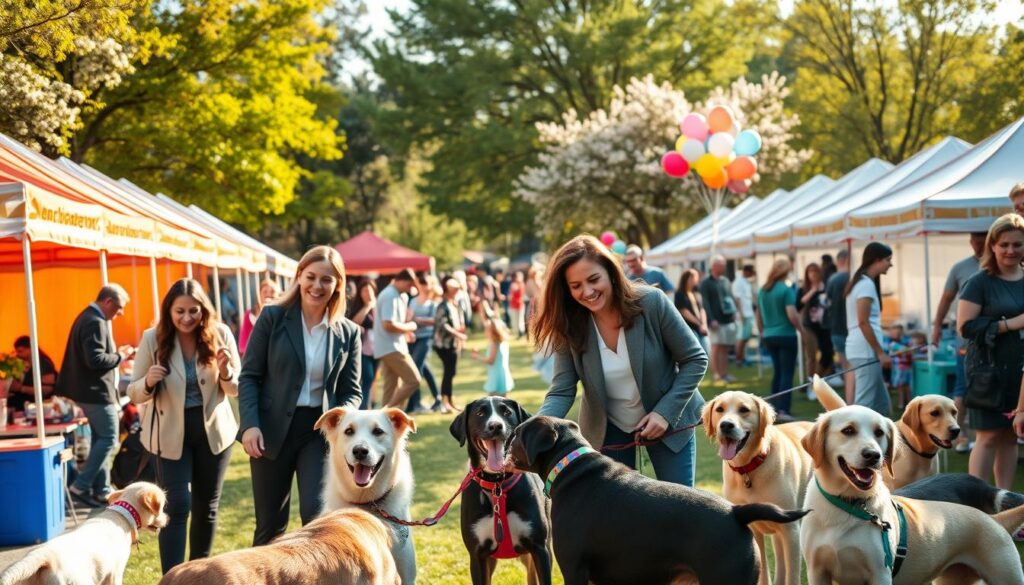
Planning an “adoption event” is more than just setting up and serving coffee. It’s about creating a miracle. We turn the idea of “forever families” into a real, memorable experience.
The best event mixes the seriousness of a court day with the fun of a block party. It’s a mix of a legal moment and a family gathering where everyone is new to each other. This tradition started small in 1984 but now shines for a month-long spotlight.
This change is important. What was once Adoption Week became National Adoption Month in 1995. It gives us more time to celebrate these community celebrations. Our aim is to show the world that one day can change lives with smiles, hugs, and the sound of a gavel.
So, how do we make this happen? With the care of a watchmaker and the heart of a storyteller. Let’s dive in.
Pre-Event Horse Preparation and Health Checks
Adoption events are like Broadway shows. The unseen rehearsals are key to success or failure. This is where we make sure every “horse” is ready for horse placement.
We’re not talking about real stables. The horse placement is when a child and family find each other. Before that, we need a deep health check. This is about hearts and histories, not just hooves.
Children are our majestic creatures. Their caseworkers have done deep work. They’ve mapped trauma and understand triggers.
Prospective families are on the other side. Have they been vetted? Trained? We’re looking for resilience and patience, not just money.
This preparation creates a “readiness threshold.” It’s the line between a good intention and a lasting match. If crossed too early, it can fail. Wait until both sides are ready, and magic happens.
It’s like studying equestrian event preparation protocols. The best trainers consider the environment and emotions. Our version? We measure hope against reality.
What does this look like in practice? Let’s break it down:
- For the child: Therapeutic readiness sessions. Clear communication about adoption. Managing expectations without losing hope.
- For the family: Training on trauma-informed care. Honest self-assessment. Meetings with support families.
- For the match: Analyzing compatibility factors. Not just “they both like soccer,” but deeper alignment of values and needs.
Skipping this phase is professional malpractice. It’s like casting a play without auditions. You might get a performance, but it won’t run. The fallout from a failed horse placement isn’t just administrative—it’s human.
We do the unglamorous work. The checklists. The difficult conversations. When the gate opens, we need everyone to be ready. Authentic. That’s how real connections are made.
Volunteer Role Assignments and Training
Turning an adoption event into a memorable experience depends on your volunteers. Think of them as an Avengers team, each with their own superpower. They need to be well-organized and trained.
Emotional Sherpas are key for nervous families. They guide with empathy, acting as emotional GPS. Their role is to help families navigate the event.
Logistical ninjas manage the sign-in table. They keep the flow smooth, acting as gatekeepers. Their skills are essential for a seamless experience.
Child-wranglers handle the little ones with grace. They soothe tantrums and explain adoption paperwork. It’s a unique skill that requires patience and understanding.
Training volunteers is more than just handing out manuals. It’s about teaching them the event’s spirit. We’re not just organizing; we’re creating connections.
I tell my volunteers, “You are not facilitators. You’re the first chapter in someone’s ‘how we met’ story.” This changes their perspective. They see their role as creating special moments.
We teach them how to talk about adoption sensitively. They learn to answer questions carefully and support both joy and grief. It’s like playing emotional jazz.
With proper training, volunteers become your secret weapon. They anticipate needs and make the event special. It’s all about creating a memorable experience.
Here are three tips for building your team:
- Volunteer with an adoption or foster care organization first. This experience helps you train others.
- Attend an Adoption Month activity as an observer. Note what works and what doesn’t.
- Join a support group for adoptive parents. This helps you understand their journey better.
The best training mixes practical skills with emotional intelligence. We practice conversations and body language. We even script how to handle awkward moments.
Volunteers become social engineers, guiding conversations toward connection. They create moments that feel spontaneous but are carefully planned.
At successful events, volunteers don’t just manage chaos. They create serendipity. They turn chance meetings into destined ones. It’s more than just a smile and a name tag.
Remember, treating volunteer training as an investment is key. On the day of the event, you’re not just running a show. You’re directing a drama where every interaction is important.
Meet-and-Greet Setup for Success
Your meet-and-greet is like a blueprint for future families. It’s not just setting up chairs; it’s about creating a space for hope. When local 4-H clubs and national groups like the ASPCA come together, they’re not just filling a calendar. They’re making a space where dreams of horse placement come to life.
The magic is in the details. I’ve seen events that feel like a DMV line, but with better snacks. Instead, aim for a mix of calm and excitement. Create areas for different types of conversations and activities.
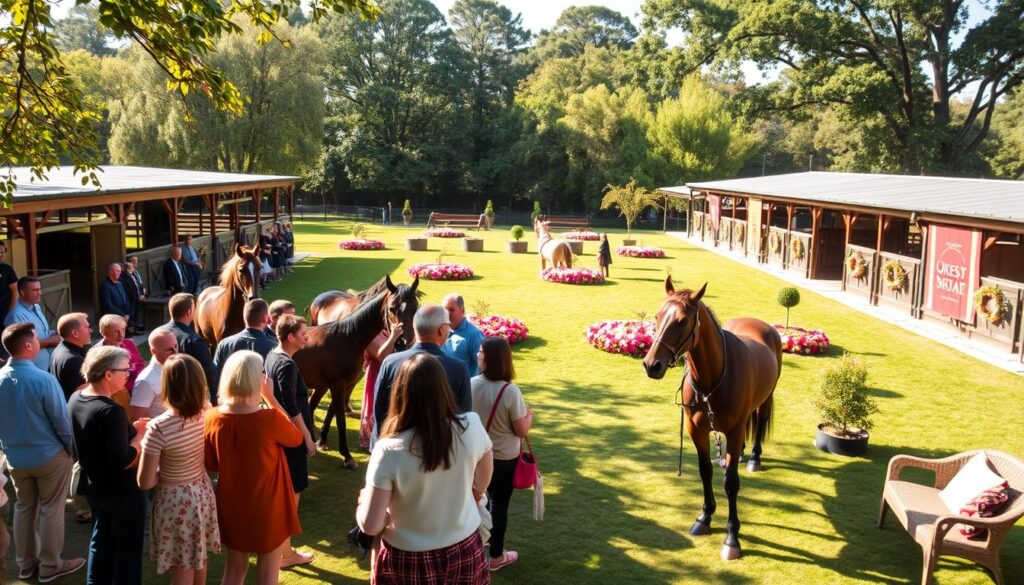
Begin with quiet areas, like cozy library nooks. These are for deep, serious questions. “What does daily care really look like?” “How does a retired racehorse adjust to trail riding?” This is where the serious horse placement talks happen.
Then, add playful zones. Set up a craft table for kids to draw their dream horses. Have a grooming station with friendly horses. This area is all about fun and family.
The central area is the heart of the event. It’s like a living room for the community celebration. Decorate with photos of past matches. These pictures show that success is possible.
Ambient noise is key. Aim for a calm, coffee shop vibe, not a loud sports bar. The right music and sounds can make people feel connected. I’ve seen more connections made over shared brownies than in any formal circle.
People love real stories. Make your space tell those stories. Use tablets for video testimonials and a “wall of thanks” for updates. This builds trust quickly.
The goal is to make people feel like they’re in a safe space. It should feel welcoming and full of warmth. Get it right, and you’ve created a place where families can start their next chapter.
Remember, you’re not just hosting a meeting. You’re creating opportunities for serendipity. Every detail, from cookies to chairs, is chosen to help find the perfect horse placement for a family.
Application Process Streamlining
If adoption events were restaurants, the application process would be like the difference between a Michelin-starred meal and the DMV. One is a delightful experience. The other is a frustrating transaction.
This moment is charged. Someone has emotionally crossed a threshold. They’re not just browsing; they’re thinking about changing a life. The paperwork should honor that, not confuse it with jargon.
November is National Adoption Month. It’s more than a calendar note. It’s a time to debunk myths, promote understanding, and encourage people to consider children in foster care. Our job at these events is to make that mission real.
We turn the application into a bridge, not a barrier. Think of it as a concierge service, not a civil servant. We use clear, simple documents and have friendly guides ready to help, not judge.
The goal is to remove obstacles between a beautiful intention and taking action. Is a question about income causing panic? A volunteer can help. “I see that look. No, that past speeding ticket doesn’t disqualify you. Let’s talk.” This is myth-busting in real time.
Streamlining isn’t about cutting corners. It’s about cutting confusion. We look at each form field and ask, Does this question serve the family or the bureaucracy? If it’s the latter, we find a better way to ask it or explain why it’s necessary.
This is user experience design applied to the most human of transactions. We map the emotional journey alongside the paper trail. We place our guides where doubt might creep in.
The result? Paperwork that feels like a stepping stone, not a stumbling block. At its best, a streamlined process at adoption events builds confidence. It whispers, “You can do this,” with every simplified section and every helpful nudge.
We’re not just processing applications. We’re architecting first impressions of parenthood through a system that says “yes” far more often than “fill this out in triplicate.”
Follow-Up Support System Design
After a successful match, it’s easy to think the job is done. But this is where many organizations fail. They treat the handoff as the end, not the start.
Signing papers is just the beginning. The real success comes later, when the new routine becomes the norm. Our role is to guide this journey to a happy end.
A true horse placement is confirmed months later. It’s when the new routine has settled in and the bond has faced its first test. This is the long-term commitment.
So, what does this support system look like? It’s not just one call. It’s a protocol with many layers. Each layer helps families overcome different challenges.
The first layer is a gentle check-in. These calls are like coffee chats, not interrogations. They help families feel normal and celebrate small victories.
Next, we provide a resource packet. It’s more than just a feed schedule. It includes essays on equine grief and guides on building trust. It acknowledges the complex truth behind adoption.
The most important layer is connection. We have a quiet network that connects new parents with experienced adopters. Hearing from someone who has been through it is incredibly reassuring.
This ongoing support proves we’re committed for the long term. It’s what turns a match into a family. And it’s where our success stories come from.
By creating this support system, we don’t just place horses. We build relationships. We become the reliable partner for a journey that starts after the applause fades.
Celebrating Successful Matches
In the world of adoption events, the biggest applause comes when a child finds a family. It’s not just about the end result. It’s about the journey from paperwork to a real-life story.
National Adoption Month is more than just a date. It’s a celebration of strong bonds and love. It shows that family isn’t just about biology, but about choice and love.
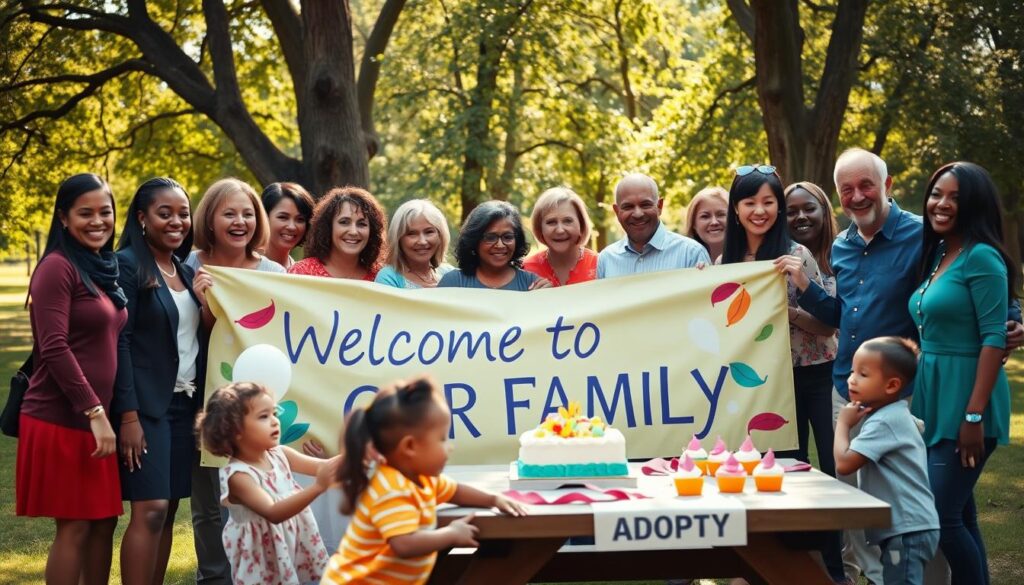
How do you make this celebration real, not just a show? Consent is your opening act. Families must agree to be in the spotlight. When they do, you’re creating a public tribute to their private choice.
This turns into a true community celebration. It’s not just for the family. It’s for everyone who needs to see the power of love and hope.
A simple certificate becomes a symbol of perseverance. A photo captures the moment fear turned to family. The focus is on the journey, not just the end.
The best celebrations share the challenges and the triumphs. They show the hard work and the love that won through. It’s not just sweet words; it’s real stories with happy endings.
For adoptive families, being recognized publicly is powerful. It makes them visible in their community. It’s more than just legal recognition; it’s a celebration of their family.
What does this look like in practice during adoption events?
- A dedicated “match celebration” segment, timed when energy is high
- Brief, authentic storytelling from the family (if they choose)
- Presentation of a symbolic item—a book, a blanket, something that says “welcome home”
- Photography that captures genuine emotion, not stiff poses
The magic happens in the ripple effect. One community celebration of a successful match inspires many more. It shows that happy endings are possible for everyone.
For those running these events, here’s the key takeaway: Celebration is essential. It’s what makes the whole effort worthwhile. National Adoption Month gives you a chance to show that happy endings are real.
So, when planning your next event, make sure to include time for celebration. It’s not just an afterthought. It’s the heart of the event. The paperwork creates the bond, but celebration makes it a part of the community.
Photography and Storytelling Integration
In today’s digital world, a photo is more than a thousand words. It’s a powerful tool in shaping public opinion. At an adoption event, the photographer is not just capturing moments. They are creating hope through their lens.
They look for the special moments: a smile, a child’s hand finding a new one, a caseworker’s pride. This is not just recording. It’s propaganda for the human spirit.
These moments become the foundation of success stories. A single image can change many minds. But, it’s important to tell the whole story, not just the happy parts.
Can we celebrate a horse placement while acknowledging the journey it took? The story must include the passion, mourning, and hope. This makes the joy we see today even more meaningful and real.
To turn theory into action, let’s look at photo narratives. Not every photo has the same purpose. Some connect us, others show what’s possible. A mix of both is essential.
| Photo Type | Narrative Goal | Key Element to Capture | Primary Use |
|---|---|---|---|
| The Authentic Moment | Builds emotional connection & trust. | Unguarded laughter, a focused shared activity, a comforting touch. | Social media teasers, website hero images. |
| The Milestone Frame | Documents official joy; creates a historical record. | The signing ceremony, the “first family photo,” cutting a cake. | Press packages, annual reports, family keepsakes. |
| The Environment Shot | Shows safety, support, and community context. | Volunteers in action, the decorated event space, supportive staff interacting. | Grant applications, volunteer recruitment, showing organizational culture. |
| The Detail Close-Up | Adds intimate, human-scale texture to the story. | Interlocked hands, a name tag being written, a well-loved toy being presented. | Blog post illustrations, newsletter features, digital ads. |
This visual library amplifies your message. Share these stories during #NationalAdoptionMonth and beyond. Each post does more than spread awareness. It attracts new supporters, donors, and families. You’re not just posting a cute picture. You’re publishing a case study in human success.
The goal is to make every horse placement seem inevitable. The photography and narrative you create today will show that this was always meant to be. That’s how you turn a single event into a legacy of success stories.
Weather Contingency Planning
Planning an outdoor adoption event without a rain plan is like planning a picnic in a hurricane zone. It’s not optimism; it’s negligence. You need tents, indoor backup spaces, and a solid PA system that works in humidity.
But the truly fascinating, and often overlooked, forecast is the emotional one.
What’s your plan for the internal thunderstorms? The moment a child, overwhelmed by the crowd and the hope, has a panic attack? Or when a prospective parent gets cold feet and needs a quiet moment to breathe?
You don’t just plan for the sunny success stories. You prepare for the complex climate of human emotion. This is what separates a good event from a profoundly professional one.
Your contingency plan needs soft walls and trained ears. It needs:
- A Designated Quiet Room: Not a storage closet. A calm, private space away from the celebratory noise, stocked with water, tissues, and perhaps some soothing, mundane distractions.
- On-Call Counselors: Professionals or highly trained volunteers who understand trauma, attachment, and crisis de-escalation. Their job isn’t to facilitate matches, but to hold space for the hard feelings that making a family can stir up.
- Volunteers Trained in Emotional First Aid: Every greeter and guide should know the signs of distress and the simple, non-invasive script for, “Would you like to step over here with me for a minute?”
This level of preparation sends a powerful, unspoken message: “We see all of you. Even the hard parts.” It acknowledges that the path to adoption is rarely a straight, sunny line.
This philosophy connects to a bigger picture. National Adoption Month reminds us that over 113,000 children in the U.S. are waiting for permanency. Not everyone can adopt. But everyone can help build support systems that make these journeys possible.
Sometimes, the most powerful success story isn’t the seamless match made under perfect skies. It’s the one where everything almost fell apart—where the emotional weather turned violent—but didn’t. Because the quiet room was there. The counselor was ready. The volunteer knew what to do.
That’s a story that doesn’t just create a family. It changes how we think about care, preparation, and what it truly means to support an adoption event. You plan for rain. But you build a foundation for resilience.
Post-Event Relationship Building
In event planning, we often confuse the climax with the conclusion. That final signed agreement for a horse placement feels like an ending. It’s actually the opening scene of your next season.
National Adoption Month celebrates families created while advocating for children waiting. This mission continues long after the last volunteer leaves. The real celebration starts when the crowd thins.
Craft follow-ups that show genuine observation. Mention a specific connection you witnessed. Share a resource like the Dave Thomas Foundation for Adoption. This turns relationships from transactional to transformational.
Turn attendees into a permanent ensemble. Organize quarterly potlucks. Create a private group for ongoing photo shares. These sustained engagements build durable trust. They forge a tribe from a transaction.
Your legacy isn’t measured in single-day metrics. It lives in ongoing dialogues, secondary referrals, and families who return as ambassadors. This ecosystem ensures every horse placement plants seeds for future matches. The true celebration never really ends.