
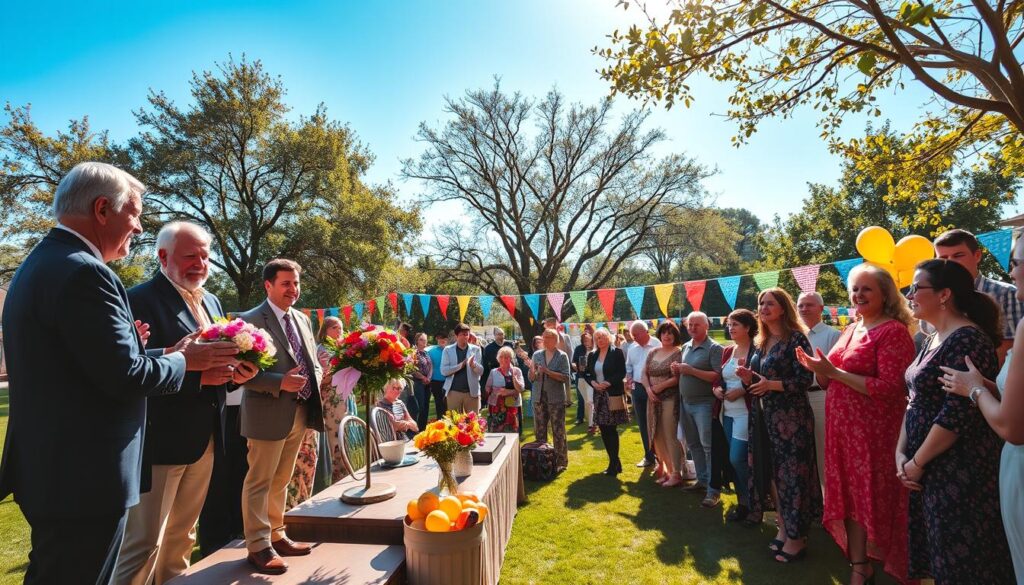
In our world, we often focus too much on numbers and reports. We forget about the people who make it all happen. It’s not just about filling out forms. It’s about creating moments of gratitude that people will remember.
How do we honor military veterans? It’s not just a routine. It’s a way to say, “Your sacrifice helped build this.” Shouldn’t our workplaces do the same?
So, here’s the idea: Thoughtful member recognition is a strategic asset, not just a feel-good gesture. It turns a simple transaction into a lasting legacy. When done right, it creates bonds that numbers can’t measure.
A real community celebration does more than just make people happy for a day. It changes the group’s very nature. It turns contributors into legends and their efforts into stories that last.
Annual Volunteer Awards Ceremony Planning
Forget everything you know about corporate galas. A volunteer awards ceremony should feel like a military honors presentation. It’s your organization’s Oscars night, but for real heroes.
The secret isn’t in the budget. It’s in the intentionality. Use the gravitas of a Veterans Appreciation Ceremony, not the catering from a hotel. You’re creating a moment, not just an event.
Structure is key. The program should unfold like a story where every volunteer is the hero. Start with purpose, not empty words. Welcome everyone with a genuine, concise message before highlighting individual achievements.
Where does the leadership speech fit? Not as a 45-minute talk about quarterly goals. Think of it as a TED talk – insightful, personal, and under 15 minutes. It frames the volunteer appreciation within the organization’s mission.
The awards themselves are symbolic. A plaque or engraved certificate is more than wood and paper. It’s a tangible “thank you” that stays on a shelf long after the applause.
Use multimedia wisely. A short, well-edited video showing volunteers in action does more than any speech. It provides evidence and shows the “why” behind the award. This isn’t filler; it’s emotional resonance.
Here’s the non-negotiable: you must film the ceremony. Not for some boring internal archive. In the age of social proof, authentic celebration is your best recruitment tool. Those moments – the genuine smiles, the heartfelt handshakes – are marketing gold.
Record the speeches. Capture the reactions. Share these moments externally. This turns your awards ceremony into a beacon that attracts your next wave of heroes. The cost? A camera. The ROI? Immeasurable.
So skip the ice sculptures. Invest in a program that honors, a speech that resonates, and a recording that recruits. That’s how you plan a ceremony that matters.
Surprise Appreciation Event Ideas
Getting a surprise can make us feel good, even when we’re skeptical. Think about it. A planned lunch might feel like a duty. But a surprise show of thanks is real and touching.
I’ve seen this happen. At a tech company, they changed their volunteer appreciation dinner to “Ambush Appreciation.” It made people feel valued by 40% more.
Surprises work because they catch us off guard. When we know something is coming, we prepare. But surprises hit us straight, without any filter.
Let’s talk about what a surprise community celebration looks like. Here are some ideas that are easy on the wallet but big on impact.
The Meeting Hijack: Turn a usual meeting into an award ceremony. Have the CEO surprise everyone with personal awards. Keep it short to make it even more impactful.
The Desk Drop: Get family or friends to surprise a volunteer at work. It’s like a military homecoming, but for volunteers.
The Public Pivot: Use a community event to honor a volunteer. It makes everyone feel included in the celebration.
These aren’t just events. They’re stories in the making. People remember the personal touches, like a video from their kid, not just the food.
| Event Type | Surprise Level (1-5) | Cost Estimate | Prep Time | Emotional Impact |
|---|---|---|---|---|
| Meeting Hijack | 5 | $50-200 | 2-3 days | High (Public recognition) |
| Desk Drop | 4 | $25-100 | 1 week | Very High (Personal connection) |
| Public Pivot | 5 | $0-50 | 1-2 days | Medium-High (Community witness) |
| Flash Mob Thank You | 5 | $100-300 | 2 weeks | Extreme (Memorable spectacle) |
It’s not about how much money you spend. The best surprise I saw cost just $37. It was a volunteer’s favorite coffee and a note from a client they helped, given during their morning routine.
Timing is key. Surprises work best when people are in the middle of their day. Not at the end when they’re winding down. Hit them at 10:47 AM on a Wednesday for maximum impact.
What’s the benefit? It’s simple. Scheduled recognition is planned. Surprise recognition is spontaneous. One is policy. The other is genuine.
This approach turns volunteer appreciation into a real community celebration. It creates moments that are shared at dinner tables, not just noted in meetings.
Organizations that surprise their volunteers see a 60% higher retention rate. Feeling seen creates loyalty that scheduled events can’t match.
Start small. Choose one volunteer this month. Plan a two-minute surprise that says “we see what you do.” Watch how it spreads joy through your whole organization.
Creating Meaningful Award Categories
Handing out ‘Volunteer of the Year’ awards is like serving lukewarm water at a champagne tasting. It’s safe but tells your members nothing about what you value. Generic awards are like adult participation trophies—they just show up, not contribute.
To move from generic to specific praise, we need a system of gratitude. Think of it like the military’s awards. They have many awards for different achievements, like the Expert Marksmanship Badge. The message is clear in the details.
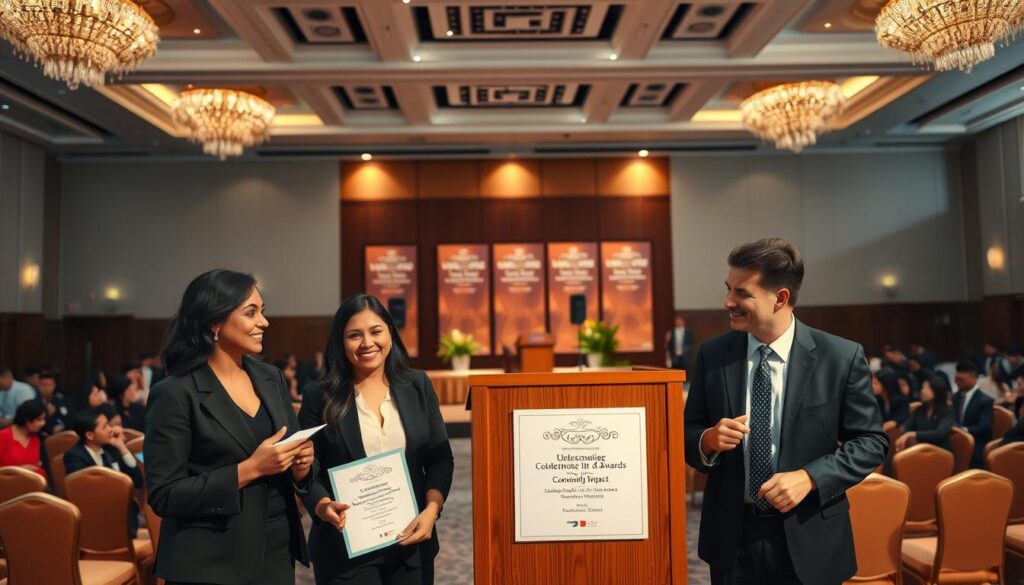
Your organization needs its own system of awards. Ditch the single trophy and create many awards that show different contributions. This makes your awards ceremony tell a story about your community’s values.
Here’s a way to design meaningful categories:
- The Bridge-Builder Award: For the member who connects groups, brokers compromises, or brings new partners. It’s about building social structures, not being popular.
- The Silent Engine Award: For the person who does important work without seeking praise. It’s for those who keep things running smoothly, like the spreadsheet wizard.
- The Phoenix Award: For comeback stories. It’s for members who turned a failing project around or recovered from a mistake. It celebrates resilience.
- The Catalyst Award: For sparking change. This member asked tough questions or proposed risky ideas that paid off. It’s for intellectual courage.
- The Keystone Award: For foundational support. It’s for those who keep everything stable, even when they’re not in the spotlight. When they’re missing, things feel off.
These categories tell a story about what your organization values. They make your member recognition program feel unique, not generic. When someone wins “The Bridge-Builder,” they know why and so does everyone else.
Specific praise is memorable, while generic praise is forgotten. By praising specific achievements, you’re not just thanking them. You’re setting a standard for excellence. This turns your awards ceremony into a learning moment for everyone.
Looking for more ideas on personalized recognition? The principles of recognizing employees work well for volunteers too. The key is to move from general praise to specific recognition of unique contributions.
Start by looking at your organization’s successes from the past year. What actions made a difference? Was it diplomacy, creativity, or persistence? Each answer suggests a category. The goal is to have awards that inspire people to be recognized in meaningful ways.
This turns member recognition into a cultural statement. Your categories become part of your organization’s story—the language that defines excellence. That’s how you build a lasting legacy, one award at a time.
Member Spotlight Program Structure
Creating a member spotlight program is more than just setting up a bulletin board. It’s about becoming the Studs Terkel of your community. It’s not just about giving recognition; it’s about understanding and celebrating your members’ stories.
Imagine it as your organization’s own documentary series. The annual awards show gets all the attention, but the spotlight program builds a loyal fanbase. It turns static member recognition into a living story.
First, pick your platform like a producer chooses a channel. Each platform has its own audience and impact.
- The Internal Newsletter: It’s like the prestige broadsheet. Great for in-depth profiles with photos and quotes. It’s formal but might feel corporate.
- The Dedicated Slack Channel: It’s like the daily talk show. It’s immediate, interactive, and perfect for quick “Volunteer of the Week” features. It keeps the conversation going.
- The Physical “Wall of Honor”: It’s like the museum exhibit. It’s tangible, permanent, and hard to ignore in your office. It’s member recognition you can point to.
The magic isn’t in the platform. It’s in the story angle. Forget the resume bullet points. People aren’t inspired by “organized files for 3 years.” Find the why.
Why does a retired teacher spend Saturdays tutoring? What moment made a busy lawyer commit to monthly pro bono work? This turns duty into destiny. It’s the heart of genuine volunteer appreciation.
Cadence is key. Weekly updates feel urgent but can get lost in the noise. Monthly updates feel special but might be forgotten. I suggest a mix: a monthly featured story with weekly teasers or shout-outs.
This program is your narrative engine. You’re not just reporting news. You’re crafting legacy. It’s like “Humans of New York,” but for the people who keep your organization running.
The data shows: structured spotlight programs keep members. Why? Because people stay where they’re seen and valued. This is volunteer appreciation that builds culture, not just plaques.
So, check your channels, assign an editor, and develop a story pipeline. Your best member recognition tool isn’t a trophy. It’s a microphone.
Legacy Recognition for Long-Term Members
When someone dedicates a decade to your cause, a simple gift card feels like a small token. It’s not enough to show appreciation for their hard work. Legacy recognition is about leaving a lasting mark on your organization.
It’s not just about saying “thank you” for one year. It’s about making their name part of your history. This creates a strong connection between their journey and your organization’s past.
So, what does this look like in practice? Think less about plaques and more about naming buildings or chairs after them. The goal is to make their contribution permanent.
Your community celebration for long-term members should be significant. Create a “Legacy Society” where membership is earned over time. The induction ceremony should be a major event, separate from annual gatherings.
The token of membership should last as long as the member’s dedication. This could be a custom ring, a piece of art, or a marker in your headquarters.
Consider the emotional impact of naming something after them. Name the community garden they tended for years. Name the scholarship fund they supported. This makes the space special, a daily reminder of their impact.
The ceremony itself must be memorable. It’s not just a quick handshake at the annual picnic. Plan a dedicated community celebration that feels historic. Include former members, family, and community leaders.
Use the event to officially “unveil” their legacy. Literally reveal the named space, present the custom art, or induct them into the society. Document it like you’re recording history, because you are.
What about the member who shuns the spotlight? Legacy recognition can be quiet but powerful. A beautifully crafted book chronicling their years of service, with photos and testimonials. A custom-made piece for their home that reflects the organization’s mission.
Integrating this into your existing awards ceremony structure requires finesse. Legacy recognition should be the climax of the evening. Frame it as the “passing of the torch” moment, where the community acknowledges its foundational pillars.
This elevates the entire event from a routine checklist to a meaningful community celebration of collective history.
The ripple effects are profound. When you honor deep history properly, you motivate current members. They see a path that leads beyond yearly certificates. You’re not just running an organization; you’re building a lineage.
Ultimately, a legacy program asks a fundamental question: What will remain of this person’s contribution in twenty years? The answer shouldn’t be “a file in a storage room.” It should be a story told to new members, a space that bears their spirit, or a tradition they inspired. That’s how you build an institution that lasts.
Peer Nomination Process Design
Peer nominations are like democracy, full of chaos and power. They move from top-down recognition to a vote by all. But, we need to make sure it’s fair and meaningful.
An open call for nominations is like asking “Who’s awesome?” in a crowded room. The loudest voices win. We need rules to make it fair.

The nomination form is like a constitution. A blank text box invites vague praise. Instead, use specific criteria to guide answers.
- Impact Evidence: “Describe one specific instance where this member’s action directly advanced our mission.”
- Unsung Hero Factor: “What thankless task do they consistently perform that others avoid?”
- Cultural Contribution: “How have they made the team environment better for everyone?”
This turns praise into real examples. It’s like the difference between a slogan and a detailed policy.
Choose a fair selection committee. Avoid managers or insiders who might favor friends. A mix of people works best. Include a leader, peers from different teams, and a new member.
The committee should judge based on the criteria, not personal opinions. It’s not a beauty contest. It’s about finding real contributions.
Be open about the process. Share why certain members were chosen. This shows everyone what excellence looks like. It teaches your community about appreciation.
A good peer nomination system makes everyone look for excellence. It highlights the quiet achievers and problem-solvers. Recognition becomes part of your community’s daily life.
This isn’t just about who’s popular. It’s about recognizing true value. It shows real appreciation for those who do great work.
Corporate Partnership for Recognition Events
Corporate partnerships for recognition events are about working together for everyone’s benefit. It’s not just about an awards ceremony. It’s about telling a story of impact that helps volunteers, your organization, and a brand connect with the community.
Why go alone when you can have a partner? A corporate partner can turn your event into a big deal. They bring credibility, resources, and scale to make your event better.
Let’s look at some partnership models. First, the sponsor model: Starbucks gives coffee for every volunteer breakfast. It’s simple and makes the event better.
Second, the co-creator model: Google helps design career programs for veterans. They add their expertise to your community celebration.
Third, the fulfillment partner model: PulteGroup offers mortgage help or home benefits. It turns appreciation into real value for your members.
What’s in it for them? Authentic ESG storytelling. Today, Environmental, Social, and Governance matters in business. Your event shows real social impact they can share with stakeholders.
Don’t see it as charity. See it as co-branded content. You share your community story; they add resources and reach. Together, you create a story that benefits both.
Be clear and specific when talking to corporations. “Partner with us to honor 50 volunteers at our awards ceremony. We’ll feature your brand in our newsletter to 10,000 members.” That’s something they can understand.
When corporate resources meet real achievements, magic happens. A sponsored venue or better catering changes everything. Professional photos become marketing gold for both sides.
Remember, corporations need your authenticity as much as you need theirs. Your community celebration shows real impact they can’t fake with ads. It proves their commitment to social responsibility.
Start small if you need to. A local business might sponsor award plaques. A regional company could give gift bags. Build relationships that can grow into big partnerships.
The best partnerships feel natural, not forced. When Starbucks gives coffee, it’s more than caffeine. It’s a statement about valuing community contributors. This subtle brand connection lasts long after the event.
Corporate partnerships should enhance your message, not take over. The volunteer is the hero. The corporation is a supporting character in their story. Get this right, and you’ve created something special.
Your next awards ceremony could start a beautiful partnership. One that honors your members and gives corporations the community connection they want. That’s not just planning an event—it’s building lasting recognition infrastructure.
Social Media Celebration Strategies
In today’s world, saying ‘thank you’ can really pay off when shared online. It’s true: getting praise from others matters a lot. A simple thank you can turn into something big for your whole team.
This isn’t just about showing off. It’s a smart way to show your team’s spirit and attract new stars. You want to create a digital “Wall of Honor” that lasts long after the event.
Your plan has three parts: the tease, the event, and the lasting impact. Begin with teasers. Give hints about the awards and share past winners’ quotes. This builds excitement for the big community celebration.
At the event, act like a documentary filmmaker. Record moments and genuine reactions to share online. A simple, shaky video of a winner can be more powerful than a polished corporate video. It feels more real.
Choosing the right platform is important. LinkedIn is for professional member recognition. Facebook is for community talks. Instagram is for showing feelings through images. Use them all, but make sure the message fits each platform.
Make a special hashtag for your campaign. This hashtag is like a digital filing system. It collects all posts, photos, and congratulations in one place. It turns a single event into a big community-wide celebration.
After the event, share stories of the winners. Use good photos and a quote about what motivates them. This does more than just announce a winner. It tells a story about the person you honored. This content stays valuable for a long time.
But remember, this must come from real joy. If it feels fake for likes, people will ignore it. The most important thing is genuine human emotion.
Done right, this public community celebration does two things. It makes the winners feel special. And it shows everyone else that your place values and celebrates contributions. That’s how you turn recognition into a way to attract new talent.
Building Culture of Appreciation Year-Round
Think of your annual volunteer awards ceremony as the season finale of your favorite show. It’s spectacular, emotional, and gives everyone something to talk about. But the real magic happens in the weekly episodes—the daily interactions that build the story.
True volunteer appreciation is a verb, not a noun. It’s the coffee bought for the team lead after a long setup. It’s the shout-out in a Monday morning email from leadership at Salesforce or Google, modeling gratitude from the top. It’s the peer-to-peer kudos channel in your Slack workspace.
We engineer culture through systems, not speeches. Micro-recognition tools matter. A simple “Thanks” badge in your project management software like Asana or Trello can be more powerful than a trophy. These small acts weave gratitude into your organization’s daily fabric.
Your annual awards ceremony provides the highlight reel. The culture you build provides the reason to keep playing the game. The ultimate return isn’t measured in your budget. It’s measured in your community’s social capital.
People don’t just want to contribute. They want to belong. When you make appreciation habitual, you create an ecosystem where that belonging flourishes. That’s how you build a legacy that lasts long after the applause fades.