

Costa Rica is experiencing one of the strongest tourism surges in its history — and 2026 is quickly becoming a defining year for the Central American destination. From rainforest adventures to wellness retreats and sustainable luxury escapes, travelers are rediscovering why this small nation consistently ranks among the world’s most desirable places to visit. Early data shows a dramatic rise in arrivals, fueled largely by visitors from the United States, Canada, and Mexico, signaling a powerful shift in how and where North Americans are choosing to travel.
🌎 A Record-Breaking Start to 2026
Costa Rica welcomed more than 653,000 international visitors in just the first two months of 2026, marking a historic milestone for the country’s tourism sector. The surge represents five consecutive months of growth and confirms renewed global demand for nature-focused destinations. According to tourism reports, North American travelers account for the majority of arrivals, with over 440,000 visitors coming from the region during this period alone. This rapid growth reflects more than a post-pandemic rebound — it highlights a deeper transformation in traveler priorities.
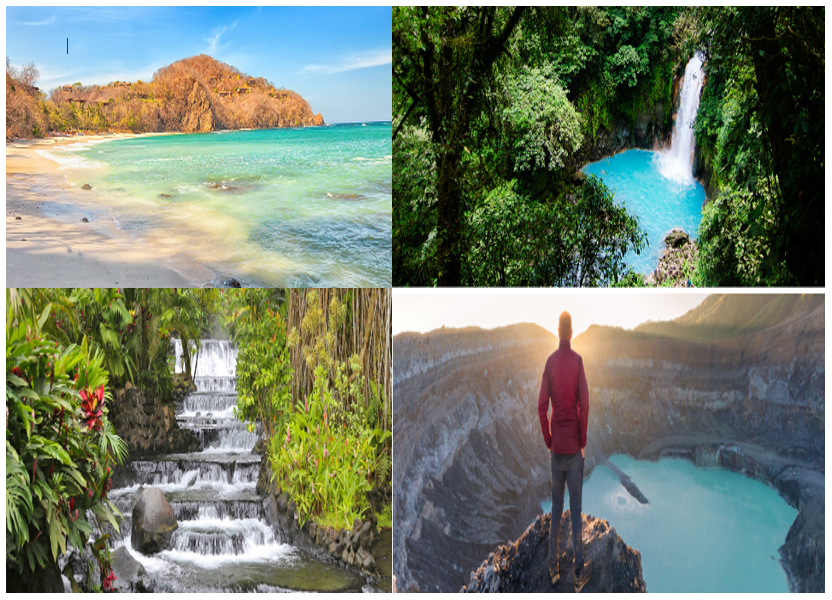
🧭 Why North American Travelers Are Choosing Costa Rica
🛬Easy Access and Direct Flights
One of the biggest reasons behind Costa Rica’s tourism boom in 2026 is simple: getting there is easier than ever. For travelers in the United States and Canada, Costa Rica offers a rare combination of international adventure and short travel times — making it an ideal destination for those seeking a tropical escape without the exhaustion of long-haul flights.
As modern travelers prioritize convenience, flexibility, and meaningful experiences, accessibility has become just as important as the destination itself. Costa Rica excels in both. Unlike many bucket-list destinations that require overnight flights or multiple connections, Costa Rica is surprisingly close to major North American cities. Nonstop flights from hubs such as Miami, Houston, Toronto, Atlanta, and Los Angeles typically range between three and six hours, allowing travelers to leave in the morning and arrive in paradise by afternoon.
👉Direct Flights From the United States
The U.S. has the largest number of nonstop routes to Costa Rica, making travel fast and convenient. Many flights take 3–6 hours, making Costa Rica one of the easiest tropical international trips from the U.S.
Major Full-Service Airlines
- American Airlines — nonstop routes from cities like Miami, Dallas, Charlotte, Chicago, and New York
- United Airlines — direct flights from hubs including Newark, Denver, and San Francisco
- Delta Air Lines — nonstop flights from Atlanta and other major hubs
- Southwest Airlines — expanding nonstop vacation routes to Costa Rica
- JetBlue Airways — direct Caribbean and East Coast connections
- Alaska Airlines — West Coast nonstop service
- Frontier Airlines — seasonal and budget nonstop routes

🛡️ Safety, Stability, and Repeat Visitors: Why Travelers Keep Returning to Costa Rica
Costa Rica’s continued tourism success in 2026 is not only driven by beautiful landscapes and adventure experiences — it is also built on something travelers value just as much: a strong sense of safety, political stability, and trust. These factors have helped transform the country from a popular vacation spot into one of the most reliable and repeatedly visited destinations in the Americas. For many international travelers, especially those from North America, Costa Rica represents a rare balance between exotic exploration and reassuring familiarity.
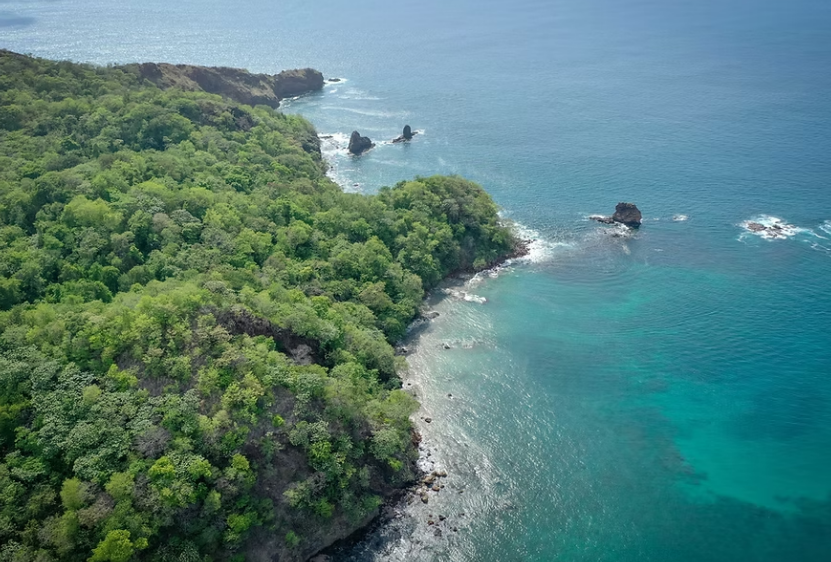
The Rise of Purpose-Driven Travel
Modern travelers increasingly seek destinations aligned with sustainability, wellness, and authentic cultural experiences — areas where Costa Rica has invested for decades. The country’s biodiversity, conservation policies, and eco-tourism model continue attracting travelers looking for meaningful travel rather than mass tourism.
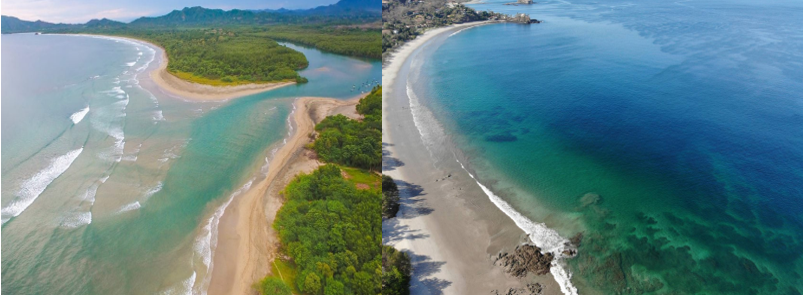
🌿 Adventure + Wellness Travel Are Powering Demand
Costa Rica sits at the intersection of two of 2026’s biggest travel trends: adventure tourism and wellness travel. Travelers are arriving for experiences such as:
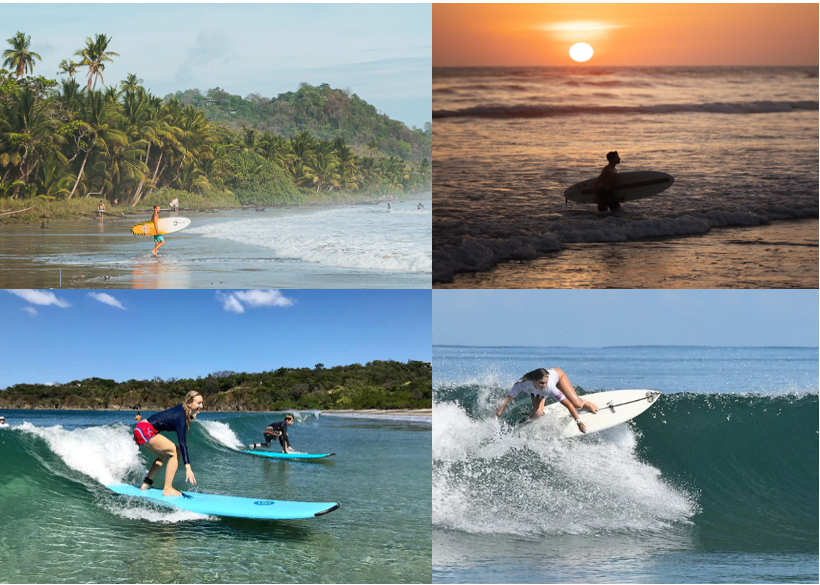
- Surfing along the Pacific coast
- Wildlife encounters in protected national parks
- Volcano hikes and rainforest trekking
- Yoga and wellness retreats immersed in nature
- Sustainable eco-lodges and regenerative tourism experiences
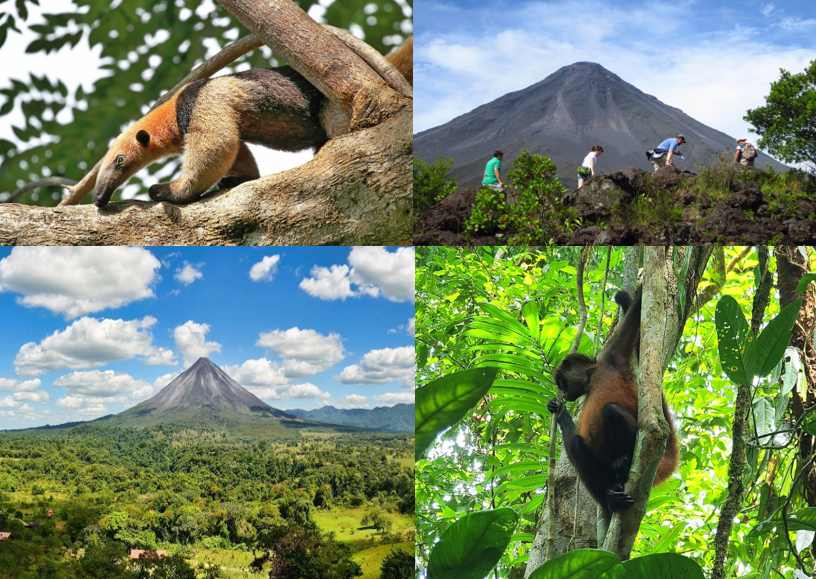
Tourism experts note that Costa Rica’s appeal lies in its ability to combine adrenaline and relaxation within a single itinerary — something few destinations achieve as seamlessly.
🌱 Why Eco-Destinations Are Outperforming Cities
Global travel trends show a growing preference for open spaces and nature-based travel. Costa Rica’s long-standing environmental leadership positions it perfectly for this shift.
The country protects roughly a quarter of its land through national parks and conservation areas, creating a travel experience centered on biodiversity rather than urban attractions.
This strategy is paying off: tourism growth is expected to continue as eco-travel drives market expansion, with the sector projected to grow significantly through 2030.
In a world increasingly shaped by climate awareness, Costa Rica’s sustainable identity has moved from niche appeal to mainstream demand.
🏄 The Experiences Fueling the Boom
Several signature experiences are drawing travelers in record numbers:
Costa Rica’s tourism surge in 2026 isn’t happening by chance. Behind the record visitor numbers lies a powerful shift in traveler behavior — one driven by experiences rather than destinations alone. Today’s travelers aren’t just booking trips; they’re searching for connection, wellness, adventure, and slower, more intentional ways to explore the world. From wildlife encounters to immersive wellness retreats, Costa Rica has positioned itself at the center of the travel trends defining this new era of tourism. In a world increasingly shaped by digital lifestyles, travelers are craving real encounters with nature — and Costa Rica delivers them effortlessly.
The country’s vast network of protected rainforests and coastal reserves allows visitors to experience biodiversity at an extraordinary level. Sloths resting in treetops, monkeys swinging through jungle canopies, sea turtles nesting along remote beaches, and vibrant tropical birds transform ordinary vacations into unforgettable moments.
Unlike destinations where wildlife experiences feel staged or distant, Costa Rica offers authenticity. Travelers become observers within thriving ecosystems, creating emotional connections that inspire repeat visits and sustainable travel awareness.
Wellness travel has evolved far beyond luxury spas, and Costa Rica has emerged as one of the world’s leading destinations for holistic escape.
Here, wellness is woven into the environment itself. Open-air yoga sessions overlooking the ocean, jungle meditation spaces, volcanic hot springs, and eco-conscious retreats invite travelers to disconnect from stress and reconnect with balance.
The rise of remote work and burnout culture has fueled demand for destinations that offer mental reset alongside physical relaxation. Costa Rica’s “Pura Vida” lifestyle — centered on simplicity, nature, and well-being — aligns perfectly with this global movement toward mindful travel.
✈️ What This Means for Travelers in 2026
The tourism boom brings both opportunity and urgency for visitors planning trips:
Expect:
- Higher demand during peak seasons
- Earlier hotel bookings
- Expanding flight routes from North America
- Increased focus on sustainable tourism practices
For travelers, the message is clear: Costa Rica is no longer a hidden gem — it’s a global travel leader.
🌅 The Bigger Travel Trend Behind Costa Rica’s Success
Costa Rica’s rise reflects a broader shift shaping travel in 2026:
👉 Travelers are choosing how a destination makes them feel over simply where they go.
Nature, wellness, sustainability, and meaningful experiences are redefining tourism — and Costa Rica happens to deliver all four in one destination.
As global travel continues evolving, this small country’s model may represent the future of tourism itself.