

The Bosphorus Strait serves as a physical dividing line between the continents of Europe and Asia. Nighttime cruises operating on this specific waterway represent a massive sector of the local tourism economy. Tens of thousands of international visitors book dinner and show packages every single year. These excursions combine maritime transit, mass catering, and highly structured cultural performances into a single three-hour block. Evaluating the exact route, the entertainment framework, and the food quality provides a clear picture of what this popular maritime excursion actually delivers to the consumer.
Traversing The Strategic Waterway At Night
The physical geography of Istanbul dictates the layout and flow of the cruise. The Bosphorus acts as a major international shipping lane for heavy tankers moving between the Black Sea and the Mediterranean. Local maritime authorities permit commercial tourist vessels to operate along the shallow edges of the channel. Ships typically depart from central piers located at Kabataş or Karaköy shortly after sundown. The journey pushes northward against the current, holding close to the European shoreline before crossing the channel and returning southward along the Asian coast.
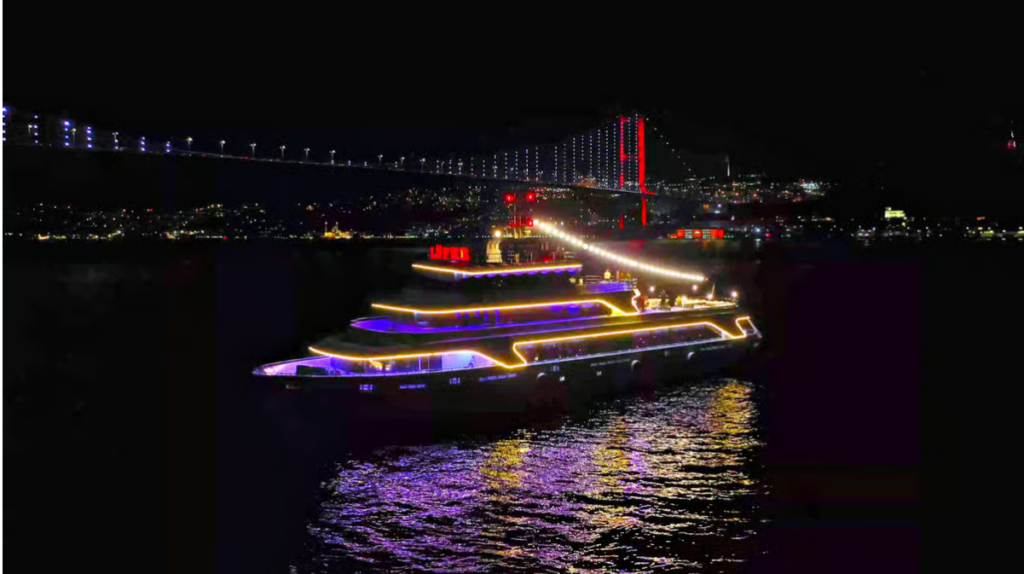
This specific counter-clockwise pattern maximizes visibility of the major historical districts without interfering with the heavy cargo freighters passing through the deep central channel. The visual environment of the city shifts drastically after sunset. The dense daytime traffic and crowded concrete sidewalks fade into darkness. This absence of daylight allows the architectural lighting of the imperial palaces, public parks, and historic mosques to completely dominate the shoreline view from the water.
The Route And Illuminated Landmarks
The architectural density of the Bosphorus shoreline provides a continuous stream of visual data. Moving north from the departure pier, the ships pass directly alongside the Dolmabahçe Palace. The sheer scale of this nineteenth-century Ottoman administrative center becomes highly apparent from the water. Its massive white stone facade reflects directly off the dark surface of the strait. Further up the coast, the vessel approaches the Ortaköy Mosque. This ornate neo-baroque structure sits immediately adjacent to the water, perfectly framed by the massive suspension cables of the bridge rising directly behind it.
The engineering scale of the two main suspension bridges creates a significant visual impact. The vessels sail directly underneath both the primary Bosphorus Bridge and the Fatih Sultan Mehmet Bridge. State authorities illuminate these massive steel structures with shifting LED displays that cut brightly across the night sky. On the return trip along the Asian side, the focus shifts to smaller, historic residential architecture. Wooden waterfront mansions, known locally as yalıs, line the shores of affluent neighborhoods like Çengelköy. Nearing the end of the circuit, the boat passes the Maiden’s Tower. This small, isolated stone structure sits on a tiny islet near the southern entrance of the strait, providing the final major visual marker before the ship docks at the pier.
Analyzing The Culinary Execution
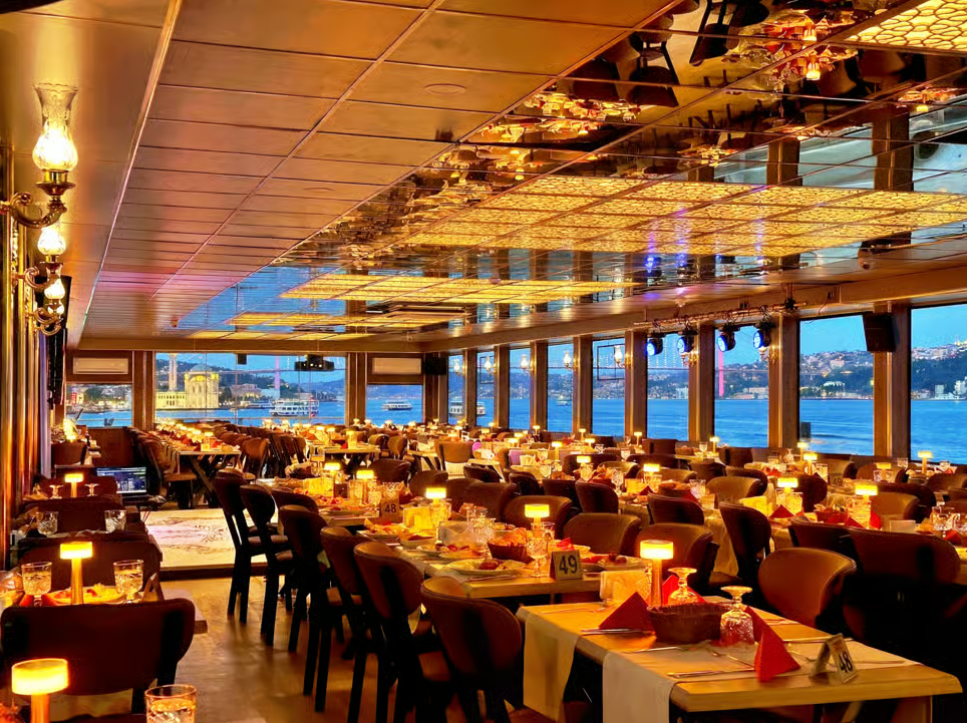
Managing a simultaneous dinner service for hundreds of passengers on a moving vessel requires strict logistical control. The kitchens on these ships operate on a high-volume banquet model rather than an a la carte restaurant format. The meal structure remains consistent across almost all major cruise operators. Diners receive a standardized plate of traditional cold Turkish mezes upon seating. This introductory course typically features regional staples like hummus, eggplant purees, stuffed vine leaves, and local white cheeses.
The main course relies entirely on highly stable, easily plated items. Passengers usually select their protein preference at the time of booking. Options standardly include a grilled chicken breast, a local fish fillet like sea bass, grilled beef meatballs known as köfte, or a simple vegetarian plate. The sheer volume of plates leaving the galley simultaneously means the culinary team prioritizes broad appeal and safe serving temperatures over complex gastronomic innovation. Dessert service finalizes the meal with small portions of sweet baklava and sliced seasonal fruits. Those building detailed Middle East travel itineraries should view the meal as a functional baseline designed to facilitate the evening, rather than treating the cruise as a primary fine-dining destination.
The Cultural Performance Program
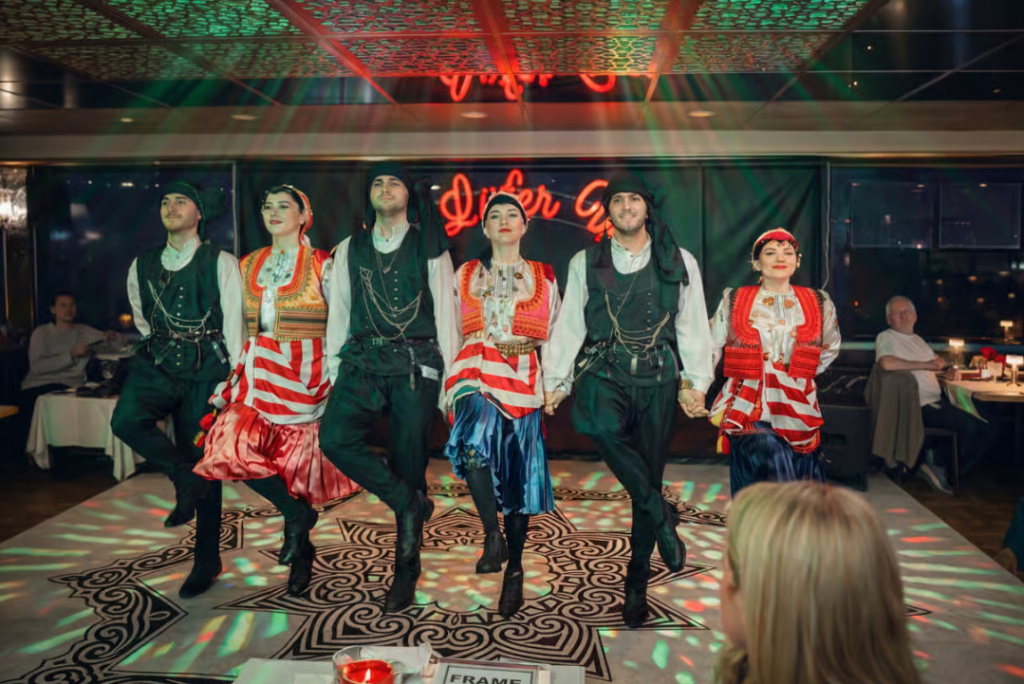
The entertainment segment functions as the central operational focus of the entire cruise. Once the main course plates clear, the center of the main dining deck converts into an active performance stage. The program runs through a highly choreographed sequence of traditional Turkish arts. The evening typically opens with a shortened demonstration of the Whirling Dervishes. This specific segment represents a spiritual Sufi ritual, offering a quiet, hypnotic visual display before the energy in the room shifts completely.
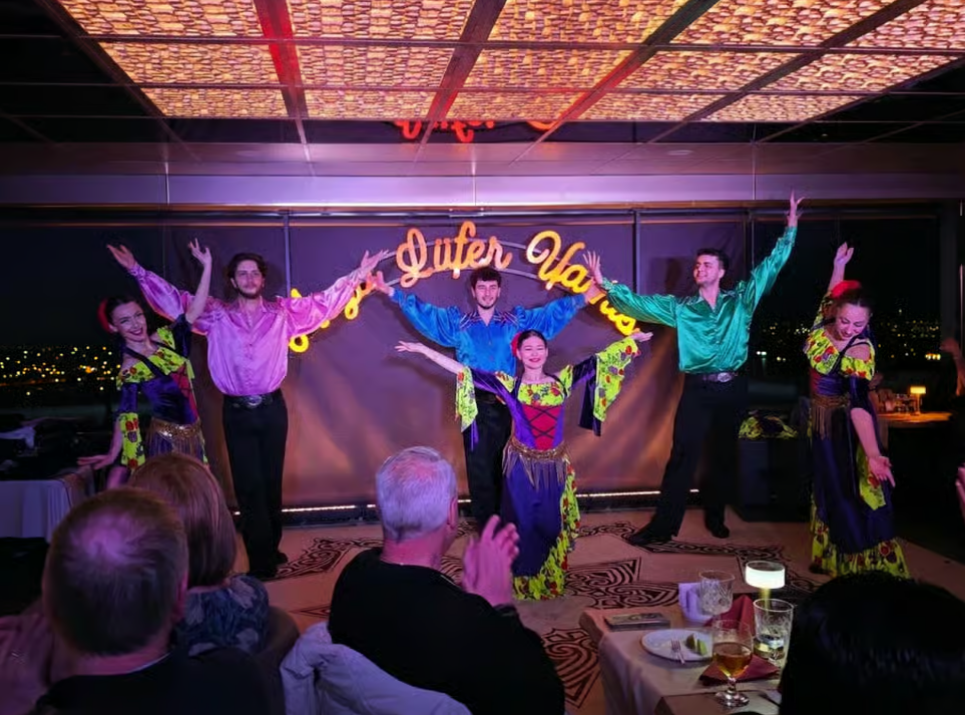
The subsequent performances rely entirely on high-volume music and rapid movement. Dance troupes execute regional folk dances from across Anatolia and the Black Sea coast, utilizing heavy rhythmic drumming and bright traditional textiles. The belly dancing segment remains the most highly anticipated portion of the program. The soloist frequently moves through the dining floor, engaging directly with seated passengers and pulling volunteers onto the stage. The evening concludes with a live DJ playing a mix of international pop and modern Turkish hits, encouraging the entire cabin to use the central floor.
Logistics, Seating, And Ticket Tiers
The ticketing infrastructure for these cruises relies heavily on tiered pricing models based on alcohol consumption and physical seating placement. The baseline ticket covers the physical cruise, the food, the entertainment, and unlimited soft drinks. Purchasing an upgraded package grants access to local alcoholic beverages, including domestic wines, Efes beer, and the strong, anise-flavored spirit known as raki.
Seating assignments drastically impact the overall experience. Ships feature massive lower dining cabins and open-air upper observation decks. Standard tickets assign passengers to large communal tables, often placing different traveling groups together. VIP or premium ticket tiers secure private tables positioned directly against the outer glass windows, guaranteeing unobstructed views of the performances and the passing shoreline.
Many operators include hotel transfers within their pricing structures. Small shuttle vans collect passengers from specific hotel zones like Sultanahmet and Taksim, dropping them directly at the boarding pier. Coordinating transit in a foreign city at night presents logistical friction, making this transfer service highly valuable. Travelers can cross-reference departure points and local transit maps using resources like the official Go Türkiye tourism portal.
| Ticket Category | Beverage Inclusion | Seating Arrangement | Typical Add-ons |
| Standard Soft Drink | Unlimited sodas, juices, tea | Shared communal tables | None |
| Standard Alcohol | Unlimited local beer, wine, raki | Shared communal tables | None |
| VIP Private Table | Unlimited local alcohol | Private window seating | Priority boarding, hotel transfer |
Assessing The Overall Value
Determining the value of this specific excursion requires aligning expectations with operational realities. Visitors seeking a quiet, highly romantic evening or Michelin-level gastronomy will find the loud, high-energy environment abrasive. The cruise operates as a massive, floating cultural variety show.
It delivers exactly what the operators promise: a highly efficient method to view the major illuminated monuments of two continents while consuming local food and watching traditional entertainment. By packaging maritime transportation, structured dining, and diverse cultural performances into a single three-hour window, the Istanbul Bosphorus dinner cruise remains an incredibly efficient mechanism for absorbing the visual and cultural density of the city.