
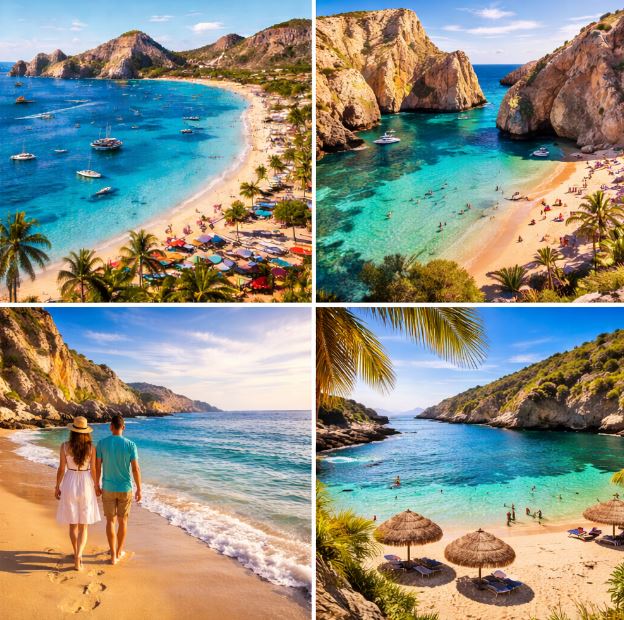
For decades, the jagged limestone formation known as El Arco served as the undisputed symbol of Los Cabos, welcoming a steady stream of spring breakers, cruise passengers, and weekend revelers to the tip of the Baja California Peninsula. However, as the global travel landscape undergoes a profound transformation in 2026, the destination has entirely rewritten its narrative. Leaving behind crowded beach bars and bottom-dollar vacation packages, Los Cabos has executed a masterclass in strategic market repositioning. Today, the region stands as a premier enclave for high-net-worth travelers, setting new benchmarks for upscale hospitality, architectural innovation, and environmental stewardship across the Americas.
A Strategic Pivot to High-Value Hospitality
The evolution of Los Cabos was not an accidental byproduct of post-pandemic travel surges, but rather a calculated, decade-long strategy implemented by local tourism boards and private developers. Recognizing the unsustainability of mass tourism, stakeholders made a conscious decision to cap high-density development in favor of premium, low-density projects. This shift has yielded spectacular financial dividends. By early 2026, the region recorded an Average Daily Rate (ADR) exceeding $440—the highest in Mexico—with the vast majority of its hotel inventory now classified strictly within the luxury tier.
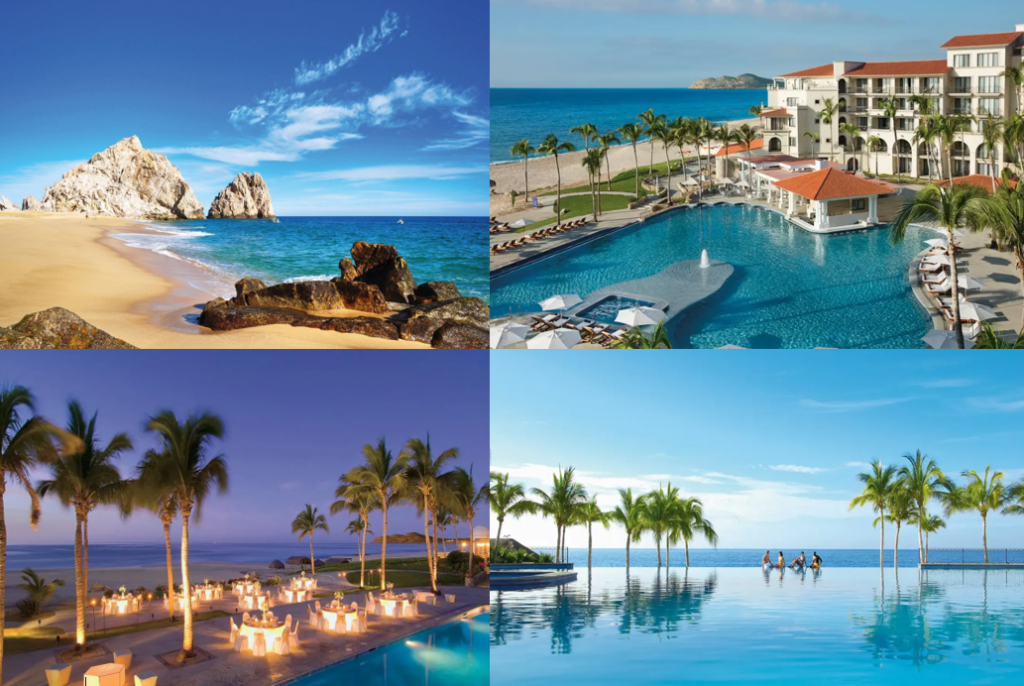
This maturation has ushered in a wave of unprecedented investment from the world’s most exclusive hospitality brands. Instead of generic mega-resorts, the development pipeline is dominated by design-forward, branded residences and boutique properties. Highly anticipated 2026 openings, such as the ultra-exclusive Amanvari on the East Cape and the sophisticated Soho House in Cabo del Sol, cater to a new demographic of discerning travelers. For those frequently researching luxury resort destinations, the Baja Peninsula now confidently rivals the Amalfi Coast and the Maldives in terms of service standards, culinary offerings, and architectural grandeur.
Geographic Expansion: Moving Beyond San Lucas
As demand reaches peak capacity during the traditional high season, the geographic footprint of Los Cabos tourism is rapidly expanding. While the lively marina of Cabo San Lucas remains a vital economic hub, the true growth is occurring in the previously undeveloped corridors flanking the cape. This deliberate expansion prevents overcrowding while allowing developers to craft entirely distinct micro-destinations tailored to specific traveler profiles.
| Regional Corridor | Core Appeal and Atmosphere | Notable 2026 Luxury Developments |
| Cabo San Lucas | Vibrant nightlife, marina access, and iconic landmark proximity | Kadun Hotel Boutique |
| Cabo del Sol | Curated wellness, lifestyle clubs, and branded residences | Soho House, Park Hyatt |
| The East Cape | Remote serenity, calm waters, and low-density seclusion | Amanvari, Four Seasons Costa Palmas |
| Pacific Corridor | Dramatic cliffside vistas, links golf, and sweeping sunsets | St. Regis Quivira, Grand Hyatt Oleada |
The Sea of Cortez and Eco-Conscious Exploration
The shift toward a higher-tier traveler has concurrently driven a demand for more authentic, nature-based experiences. Los Cabos is uniquely positioned at the intersection of the arid Sonoran Desert and the biologically rich Sea of Cortez, famously dubbed the “aquarium of the world” by marine explorer Jacques Cousteau. Visitors are increasingly abandoning standard tourist excursions in favor of guided ecological expeditions, deep-sea conservation dives, and low-impact whale watching.
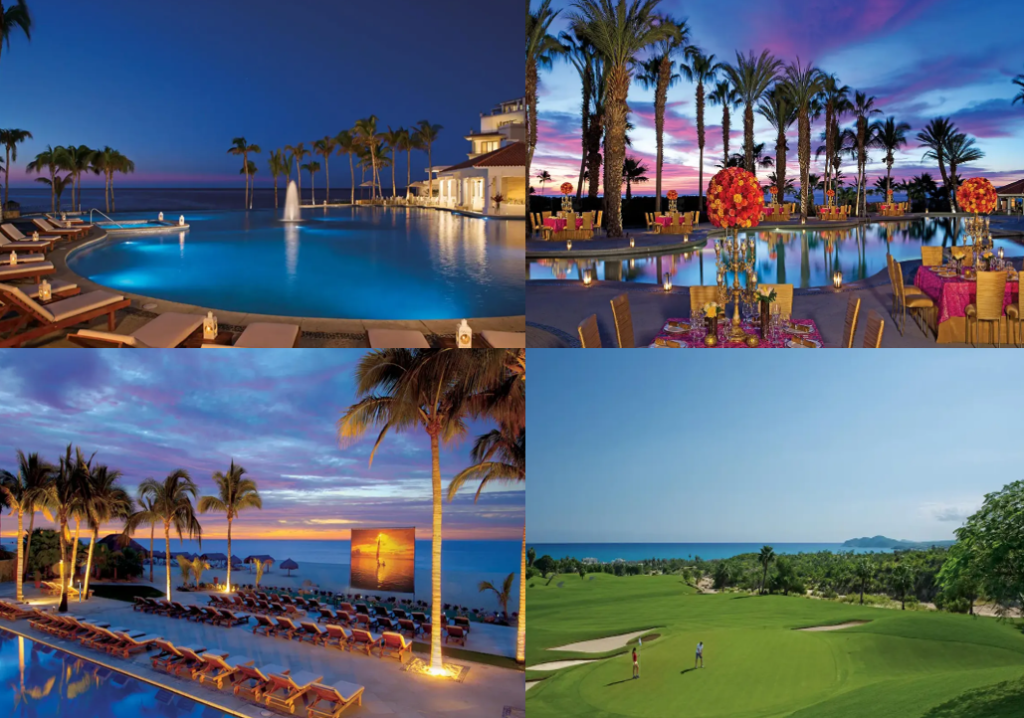
Recognizing that their primary economic asset is the surrounding environment, developers and local authorities are implementing rigorous sustainability mandates. Modern resorts are pioneering advanced water desalination techniques, integrating solar energy grids, and minimizing light pollution to protect nesting sea turtles. Bolstered by international initiatives focused on Gulf of California marine conservation, the region is proving that luxury development and ecological preservation do not have to be mutually exclusive endeavors.
Unprecedented Traveler Confidence and Infrastructure
Perhaps the most critical factor driving the 2026 Los Cabos boom is an ironclad perception of safety and stability. While other resort towns across Latin America have grappled with fluctuating security narratives, Los Cabos has maintained a virtually unblemished record. The implementation of an integrated, highly visible security apparatus—funded collaboratively by the government and the private sector—has resulted in sky-high traveler confidence metrics.
Coupled with a massive expansion in air connectivity, including new direct flight routes from major European hubs like Frankfurt and dozens of North American cities, the logistical friction of reaching the Baja Peninsula has been effectively eliminated. The airports are processing historic volumes of international arrivals, yet the traveler experience remains remarkably seamless due to continuous infrastructure upgrades that keep pace with demand.
A Blueprint for Global Tourism
As 2026 progresses, Los Cabos stands as a definitive blueprint for the future of global tourism. By prioritizing yield over volume, embracing sustainable luxury, and decentralizing its attractions, the region has successfully insulated itself against the unpredictable whims of budget travel trends. The Baja Peninsula is no longer just a convenient weekend getaway; it is a meticulously crafted destination that continues to redefine the upper limits of the modern travel experience.