

For decades, the Maltese archipelago functioned primarily as a high-volume summer destination for European vacationers seeking cheap sun and package deals. That economic model is currently undergoing a massive structural shift. International hospitality brands and independent luxury operators are aggressively acquiring historical real estate across the islands. They are converting centuries-old military fortresses and noble palazzos into low-density, high-yield luxury accommodations. Analyzing the specific architectural restorations in Valletta, the influx of Michelin-starred culinary talent, and the massive capital investments in St. Julian’s provides a clear operational blueprint of how Malta is actively repositioning itself at the peak of the Mediterranean luxury sector.
Restoring The Valletta Bastions And Historic Palazzos
The capital city of Valletta serves as the primary incubator for this luxury transition. The entire city operates under strict UNESCO World Heritage protections, meaning developers cannot simply bulldoze blocks to build modern glass towers. They must adapt existing historical frameworks. The Iniala Harbour House stands as the most prominent example of this architectural strategy. The property occupies four restored seventeenth-century townhouses situated directly on the St. Barbara Bastion. The developers maintained the original limestone vaults and traditional wooden gallariji balconies while engineering modern amenities like private plunge pools and floor-to-ceiling picture windows facing the Grand Harbour.
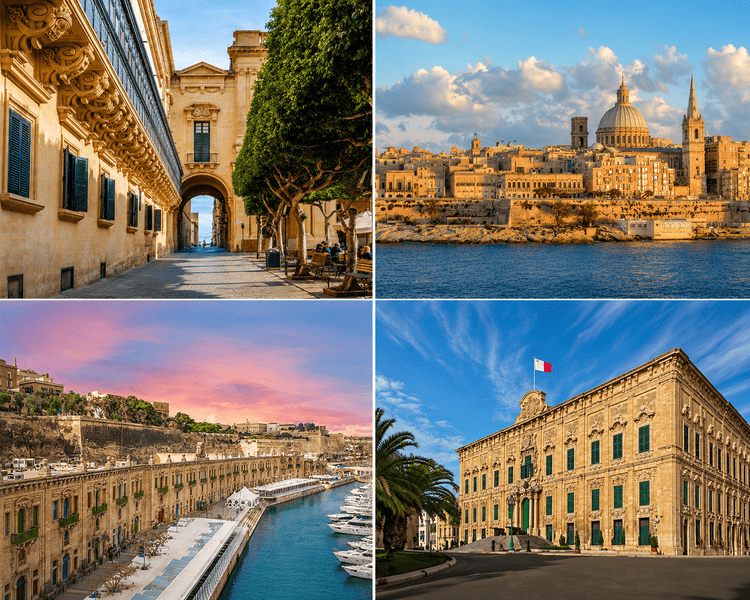
This specific property limits its inventory to just twenty-three suites, prioritizing an incredibly high staff-to-guest ratio. High-net-worth travelers demand absolute privacy and customized service, and the Iniala delivers this through dedicated fleets of branded vehicles and private Riva yacht charters. The Phoenicia Malta offers a different approach just outside the main city gates. Operating since the mid-twentieth century, the property recently overhauled its physical footprint to maintain its five-star status. It provides seven acres of private gardens, a massive spatial luxury in a densely packed historical capital.
The Three Cities And Naval Fortress Conversions
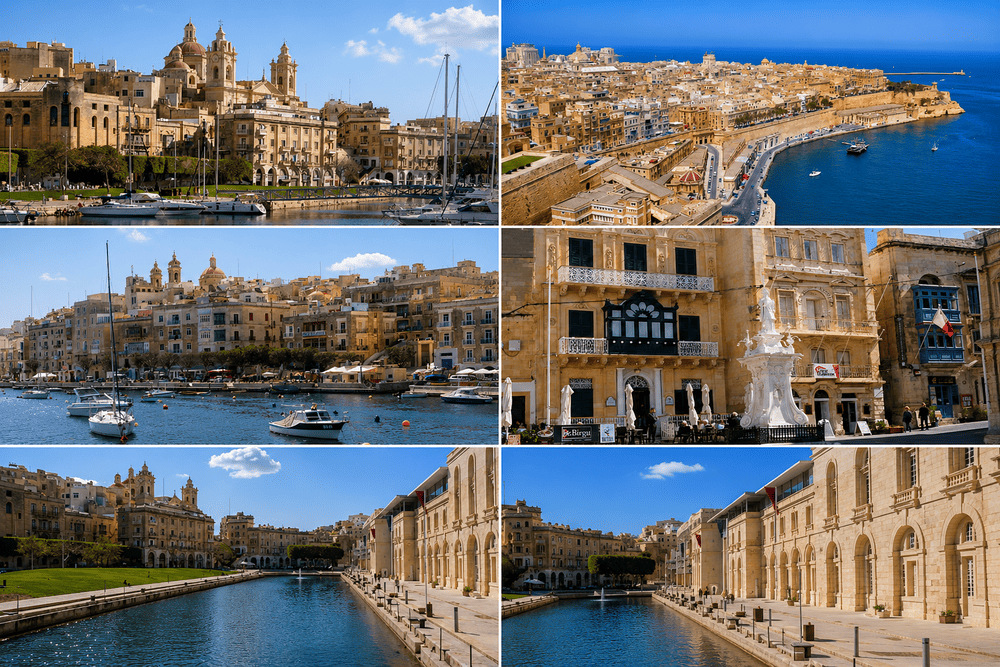
Directly across the Grand Harbour from Valletta lie the Three Cities: Birgu, Senglea, and Cospicua. These fortified peninsulas predated the capital and served as the primary naval bases for the Knights of Saint John. The luxury market is now spilling over the water into these quieter, residential districts. Cugó Gran Macina provides a direct case study of how military infrastructure translates into modern hospitality.
Built in 1554 as a defensive naval structure in Senglea, the building underwent massive restoration to open as a twenty-one-suite boutique hotel. The heavy stone walls and vaulted ceilings that once protected military assets now provide severe acoustic isolation for guests. The suites feature polished concrete floors and massive square footage, frequently exceeding one hundred square meters. The property joined the Design Hotels collection, signaling a clear shift away from generic resort aesthetics toward highly specific, historically integrated architecture. Visitors staying in this zone trade the immediate proximity of Valletta for absolute silence and unobstructed views of the capital across the water.
Expanding Inland: The Casa Bonavita Project
The push for luxury extends beyond the immediate coastline. The historic inland villages are attracting serious capital investment. In the village of Attard, the highly anticipated Casa Bonavita opened its doors in May 2026. This project represents a five-year restoration of an eighteenth-century family residence, converting the property into an intimate seventeen-room boutique retreat.
The developers rejected the massive resort model, focusing entirely on a residential, design-led approach. The interior spaces feature bespoke wallpapers, antique furnishings, and locally crafted ceramics. The physical layout encourages slow living, featuring a secluded courtyard shaded by orange trees and a dedicated wellness facility offering cold plunges and holistic treatments. The central location of Attard allows guests to easily reach the ancient walled city of Mdina in under ten minutes, providing a strategic basecamp for exploring the interior landscape of the island.
Modern Infrastructure In St. Julian’s
Valletta and the Three Cities rely on historical preservation. The coastal town of St. Julian’s functions as the testing ground for aggressive modern architecture. The ME by Meliá property opened late in 2024 inside the Mercury Towers development. The late architect Zaha Hadid designed this striking structure, bringing her signature fluid, futuristic lines to the Maltese coastline. The hotel acts as a high-energy social hub, featuring a rooftop pool club, multiple international dining concepts, and a Radio Rooftop bar set to open fully in 2025.
The momentum in this district continues with the upcoming Hard Rock Hotel Malta, scheduled to open in early 2026. This massive development will add nearly four hundred sea-view rooms and suites to the market, including twenty-five private pool units. The project integrates fifteen separate restaurant and bar concepts, a massive longevity-led spa, and an international beach club. This concentration of high-end retail, nightlife, and modern resort infrastructure targets the demographic looking for international glamour rather than quiet historical immersion.
| Hotel Property | Location | Primary Architectural Style | Target Demographic |
| Iniala Harbour House | Valletta | 17th-Century Townhouses | Milestone travelers, food enthusiasts |
| Cugó Gran Macina | Senglea | 16th-Century Fortress | Privacy seekers, design lovers |
| Casa Bonavita | Attard | 18th-Century Palazzo | Culture-focused travelers, slow living |
| ME by Meliá | St. Julian’s | Modern Zaha Hadid Design | High-energy social travelers |
| Hard Rock Hotel | St. Julian’s | Contemporary Resort | Luxury leisure, large groups |
Michelin Recognition And Culinary Execution
The transformation of the hotel sector directly parallels a massive upgrade in the local restaurant industry. Historically, Maltese food relied on rustic, heavy Mediterranean staples. The introduction of the Michelin Guide to the islands forced a complete operational upgrade across the top kitchens.
The dining room at the Iniala Harbour House operates under the direction of acclaimed British chef Simon Rogan. His restaurant, ION Harbour, secured two Michelin stars, executing highly technical tasting menus that rely heavily on hyper-local foraging and sustainable island agriculture. Across the island, executive chefs are reimagining traditional dishes, utilizing fresh Mediterranean seafood and premium imported proteins. Casa Bonavita recruited Executive Chef Dex Oseman to build a culinary program inspired by high-end London dining, serving refined Mediterranean plates in a frescoed dining room. This critical recognition by international rating agencies provides the exact gastronomic validation required to attract affluent global travelers.
Travel Logistics And Geographic Strategy
Malta occupies a highly strategic position right in the center of the Mediterranean Sea. The national airport connects directly to major European transit hubs, allowing travelers from London, Paris, or Frankfurt to reach the island in under three hours. Visitors building out their European travel itineraries frequently use Malta as a seamless standalone destination or an extension to a southern Italian trip.
The physical size of the island acts as a major logistical advantage. Guests can eat breakfast in the ancient capital of Mdina, spend the afternoon on a private yacht charter out of the Grand Harbour, and eat dinner at a modern beach club in St. Julian’s all on the exact same day. The public infrastructure continues to receive massive upgrades to support this new wave of high-net-worth tourism. The official Visit Malta portal outlines the extensive calendar of classical music festivals, international sailing regattas, and contemporary art exhibitions designed to fill the shoulder seasons and maintain visitor numbers year-round.
The transition from a budget holiday island to a premier luxury destination requires coordinated effort between private developers and government agencies. Malta executed this pivot successfully. By protecting its historical assets while simultaneously welcoming high-end global brands, the archipelago secured its position as the most compelling new luxury market in the Mediterranean basin.