

Where Empires Collided: The Untold Magic of Montenegro’s European Crossroads
Tucked into a jagged corner of the Adriatic Sea lies a nation whose diminutive size entirely belies its geopolitical significance. Montenegro is not merely a stunning coastal retreat; it is the ultimate geopolitical fulcrum of the continent. For centuries, this rugged terrain served as the physical and ideological boundary between the East and the West, where the Venetian Republic, the Austro-Hungarian Empire, and the Ottoman Empire vied for dominance. Today, Montenegro stands as a masterclass in cultural synthesis, offering modern travelers an unparalleled journey through layers of human history.
The Architecture Of Convergence
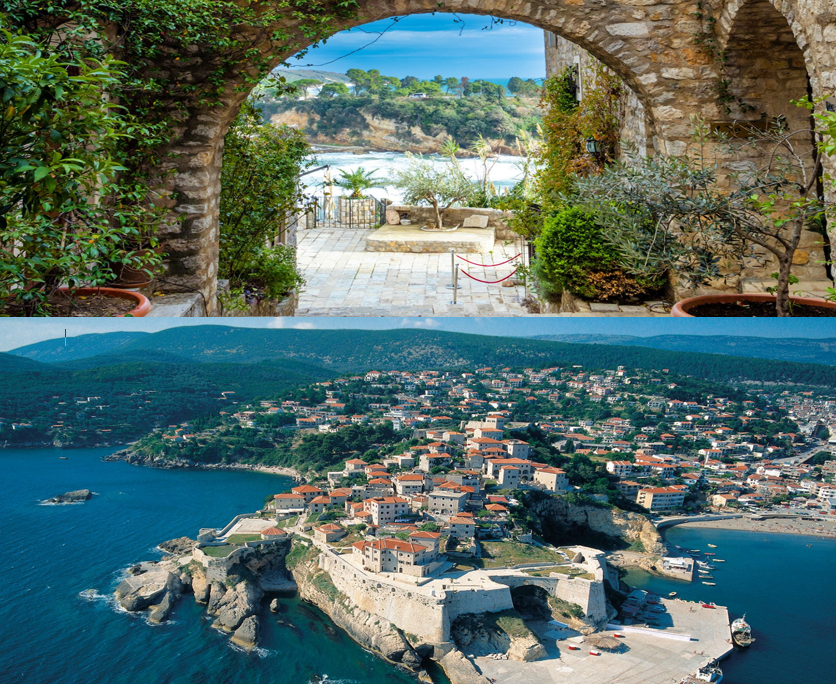
To understand Montenegro is to read its architecture, which serves as a tactile ledger of its tumultuous past. The coastal regions, particularly the Bay of Kotor, are defined by an unmistakable Italianate elegance. For more than 350 years, the Venetians controlled these maritime hubs, leaving behind a legacy of stone-paved piazzas, robust defensive bastions, and Catholic cathedrals.
Moving inland, the architectural vernacular shifts dramatically. The sweeping arches of mosques, ornate clock towers, and distinctively Eastern urban layouts in towns like Pljevlja reveal the profound influence of the Ottoman Empire, which controlled the mountainous interior for centuries. This stark contrast between coastal maritime republics and inland Islamic empires created a unique societal fabric where orthodox Christianity, Catholicism, and Islam learned not just to coexist, but to culturally cross-pollinate.
A Geography Of Extremes
Montenegro’s historical fragmentation was largely dictated by its topography. Encompassing just over 13,800 square kilometers, the country forces dramatically different ecosystems into a remarkably compact footprint. The mountains acted as natural fortresses, allowing fierce local tribes to maintain autonomy even as massive empires swallowed the rest of the Balkans.
| Landscape Feature | Notable Landmark | Geographical Significance |
|---|---|---|
| The Adriatic Coastline | Budva Riviera | 300 kilometers of Mediterranean shoreline featuring ancient walled cities. |
| The Deepest Canyon | Tara River Canyon | Plunging 1,300 meters deep, it is the deepest river canyon in Europe. |
| The Rugged Peaks | Durmitor Massif | Features 48 peaks over 2,000 meters, historically shielding inland tribes. |
| The Largest Lake | Skadar Lake | A massive freshwater reserve acting as a vital migratory bird habitat. |
These geographical extremes created isolated pockets of culture. The formidable black mountains—from which the country derives its name—prevented conquerors from easily traversing the land. Instead of being completely assimilated by one power, the native Montenegrins retreated to the highlands, establishing tribal societies and utilizing the Cetinje Metropolitanate to unify their resistance against outside forces.
The Modern Renaissance Of A Historic Hub
In recent years, the world has begun to rediscover this Balkan gem. However, rather than simply presenting itself as a traditional sun-and-sea destination, Montenegro is leaning into its heritage as a cultural nexus. The nation’s ability to seamlessly blend the wild edges of its untouched nature with high-end cultural tourism is drawing a more analytical, history-minded traveler.
When visiting the Bay of Kotor, tourists are not merely admiring a beautiful inlet; they are navigating through ancient UNESCO World Heritage sites that have survived centuries of sieges and earthquakes. This preservation of both natural and man-made wonders is what elevates the country beyond standard Mediterranean fare. For travelers currently mapping out their next itinerary and looking for hidden European destinations, Montenegro offers an density of history that is virtually unmatched on the continent.
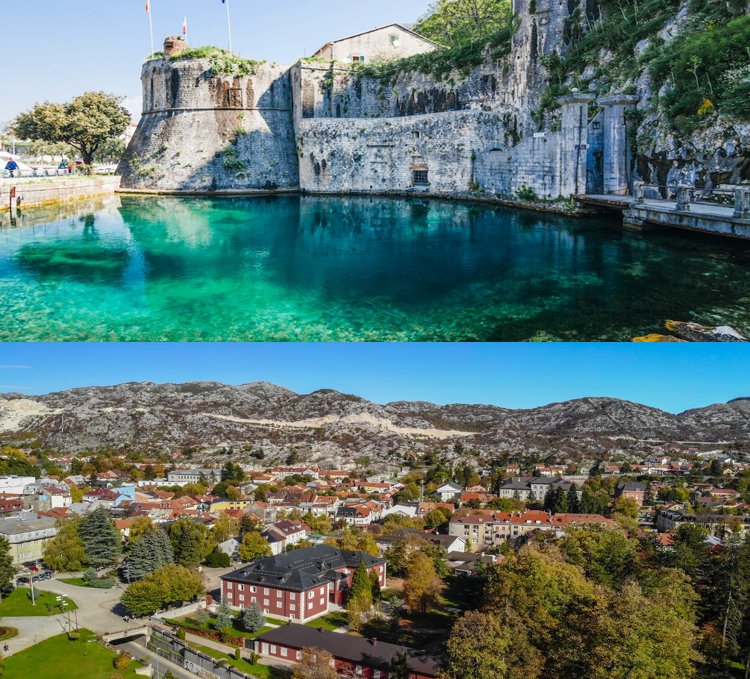
Ultimately, Montenegro remains true to its historic identity. It is a land where you can wake up to the sound of church bells echoing through a Venetian fortress, drive through awe-inspiring alpine canyons in the afternoon, and end the day listening to the call to prayer near an Ottoman-era stone bridge. It is a living, breathing museum of European history, proudly standing at the crossroads of the world.