
Vietnam is experiencing one of the most dramatic tourism revivals in the world in 2026. After years of global travel disruption, the Southeast Asian nation has re-emerged as a top international destination, drawing millions of travelers eager to rediscover its culture, landscapes, and hospitality. From bustling cities and ancient towns to tropical islands and culinary experiences, Vietnam’s tourism resurgence reflects more than recovery — it signals a new golden era for travel in the region.
A Record-Breaking Start to 2026
Vietnam’s tourism numbers tell a powerful story. In just the first two months of 2026, the country welcomed nearly 4.7 million international visitors, marking an 18.1% increase year-over-year and confirming strong global demand.
January alone recorded almost 2.5 million arrivals, the highest monthly figure ever achieved by the country’s tourism sector.
This momentum follows an already historic year:
- Vietnam welcomed over 21 million international visitors in 2025, its highest total ever.
- The country surpassed pre-pandemic tourism levels by a wide margin, outperforming many global markets.
Industry analysts now expect Vietnam to approach 25 million visitors annually if current growth trends continue.

Why Travelers Are Choosing Vietnam Again
1. Diverse Experiences in One Destination
Vietnam offers a rare combination of travel experiences within a single country:
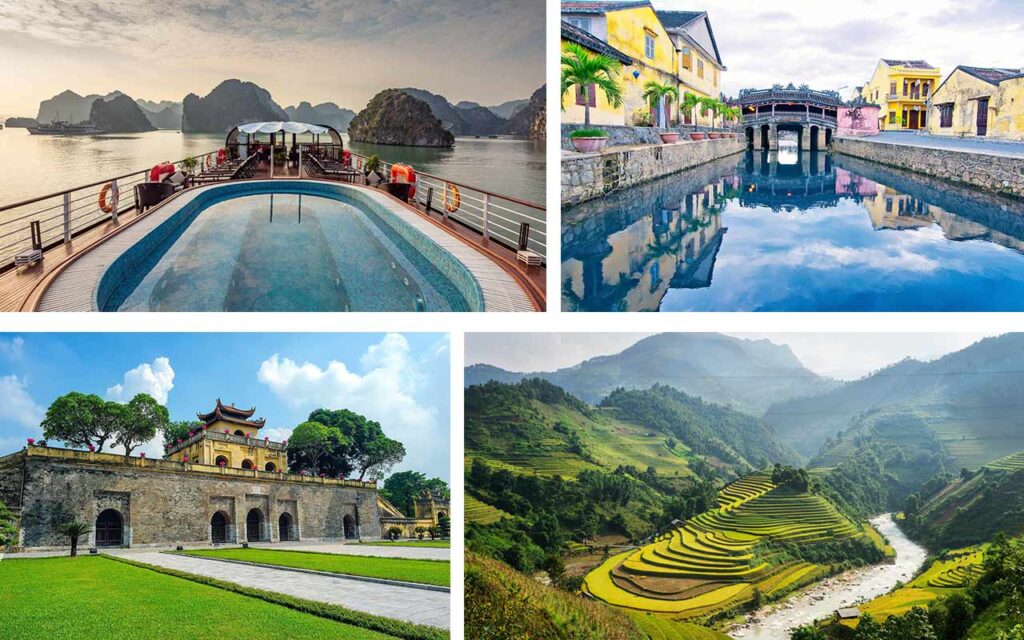
- UNESCO heritage sites like Hoi An and Ha Long Bay
- Vibrant urban culture in Ho Chi Minh City and Hanoi
- Mountain trekking in the north
- Tropical beach escapes in Phu Quoc and Da Nang
This diversity allows visitors to experience history, nature, cuisine, and modern city life during one trip — a major draw in today’s experience-driven travel market.
2. Improved Accessibility and Flight Connectivity
International air travel has played a critical role in the tourism surge. Expanded flight routes and increased airline capacity have made Vietnam easier to reach from major global markets.
Air arrivals account for more than 81% of international visitors, highlighting aviation’s central role in tourism recovery.
Stronger connectivity across Asia, Europe, and North America has opened Vietnam to new traveler demographics, including long-haul leisure tourists and digital nomads.
3. Strong Demand From Key International Markets
Visitors are arriving from an increasingly diverse set of countries. Major growth markets include:
- South Korea
- China
- United States
- United Kingdom
- Australia and India
These markets helped generate approximately $7.1 billion in tourism revenue early in 2026 alone.
The widening geographic mix shows Vietnam is no longer a regional destination — it is now a truly global travel hotspot.
Government Strategy and Tourism Investment
Vietnam’s tourism boom did not happen by accident. Government initiatives have focused on:
- Tourism promotion campaigns in key international markets
- Infrastructure upgrades and airport expansion
- Sustainable tourism development
- Simplified visa policies
These efforts have helped position the country among the fastest-growing tourism markets worldwide, outperforming global averages.
Major cities are also investing in premium experiences. Ho Chi Minh City, for example, is expanding luxury tourism, nightlife offerings, and experiential travel options aimed at high-spending visitors.
The Rise of Experience-Driven Travel
Modern travelers are increasingly seeking authenticity rather than traditional sightseeing — and Vietnam delivers.
Key attractions driving interest include:
- Street food culture and culinary tourism
- Local markets and craft villages
- Eco-tourism and rural exploration
- Cultural festivals and heritage experiences
Tourism growth is also spreading beyond major hubs, bringing economic benefits to smaller communities and lesser-known destinations.
Vietnam Leading Asia’s Travel Renaissance
Across Asia, tourism is rebounding strongly, but Vietnam stands out as a leader in the region’s travel renaissance. Investment in hotels and tourism infrastructure continues to rise as global confidence returns to the market.
Experts increasingly view Vietnam as a long-term competitor to established destinations such as Thailand and Japan due to its affordability, safety, and cultural richness.
Challenges Ahead: Managing Growth Sustainably
Rapid tourism expansion also brings challenges:
- Environmental pressure on natural destinations
- Infrastructure strain in popular cities
- Balancing growth with cultural preservation
Vietnam’s focus on sustainable tourism policies aims to ensure that growth benefits local communities while protecting natural resources — a crucial step for long-term success.
Iconic Vietnamese Destinations
🌏Ha Long Bay — Vietnam’s Most Iconic Natural Wonder

Ha Long Bay is one of the most famous travel destinations in Southeast Asia and a symbol of Vietnam’s natural beauty. Known for its surreal seascape of limestone islands rising from emerald waters, it attracts millions of international visitors every year and is widely considered a must-visit location in Vietnam. Ha Long Bay is located in Quang Ninh Province in northeastern Vietnam, about 165 km (103 miles) from Hanoi, along the Gulf of Tonkin.The bay covers tens of thousands of hectares and includes over 1,600 limestone islands and islets, most of which are uninhabited and untouched by development.
🏮 Hoi An Ancient Town — Vietnam’s Lantern-Lit Historic Treasure

Hoi An Ancient Town is one of Vietnam’s most magical destinations — a beautifully preserved historic city famous for glowing lanterns, riverside streets, and centuries-old architecture. Located in central Vietnam, it blends culture, history, and romance, making it one of the country’s most photographed travel spots. Hoi An sits in Quang Nam Province, about 30 km south of Da Nang, along the Thu Bon River near the coast of central Vietnam. The historic old town covers roughly 30 hectares and has been protected as a cultural heritage area since the late 20th century.
🌾 Sapa Rice Terraces — Vietnam’s Mountain Masterpiece

Sapa Rice Terraces are among the most breathtaking landscapes in Southeast Asia — a vast network of layered rice fields carved into misty mountains and surrounded by traditional ethnic minority villages. Located in northern Vietnam, this destination blends dramatic natural scenery with centuries-old cultural traditions.Sapa lies in Lao Cai Province in northwest Vietnam, near the Chinese border, within the Hoang Lien Son mountain range. The terraces stretch across valleys such as Muong Hoa Valley, the region’s most famous scenic area.
- About 320 km from Hanoi
- Elevation: roughly 1,500 meters above sea level
- Cool mountain climate year-round
The terraced fields wind across mountainsides, forming a natural “staircase” landscape visible from miles away.
🏝️ Phu Quoc Island — Vietnam’s Tropical Beach Paradise
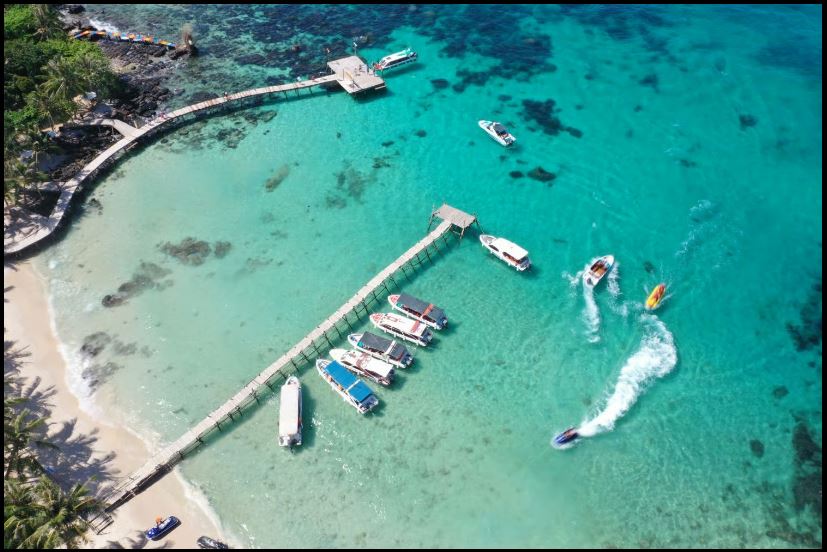
Phu Quoc Island is Vietnam’s premier tropical destination, famous for white-sand beaches, luxury resorts, crystal-clear water, and relaxed island living. Often called “Pearl Island,” it has become one of Southeast Asia’s fastest-growing vacation hotspots and a major driver of Vietnam’s tourism boom.Where Is Phu Quoc Island? Phu Quoc lies in the Gulf of Thailand, off Vietnam’s southwestern coast in Kien Giang Province.Accessible via Phu Quoc International Airport with growing international flights.The island combines untouched nature with rapidly developing resort infrastructure
The Future of Travel in Vietnam
With visitor numbers climbing and global awareness rising, Vietnam is transitioning from a recovering destination into a mature tourism powerhouse.
What makes 2026 different is not just the number of visitors — it’s the shift in perception. Vietnam is no longer an emerging destination; it is becoming a must-visit country for international travelers seeking authentic, affordable, and diverse experiences.
If current trends continue, Vietnam may soon rank among the world’s defining travel success stories of the decade.