

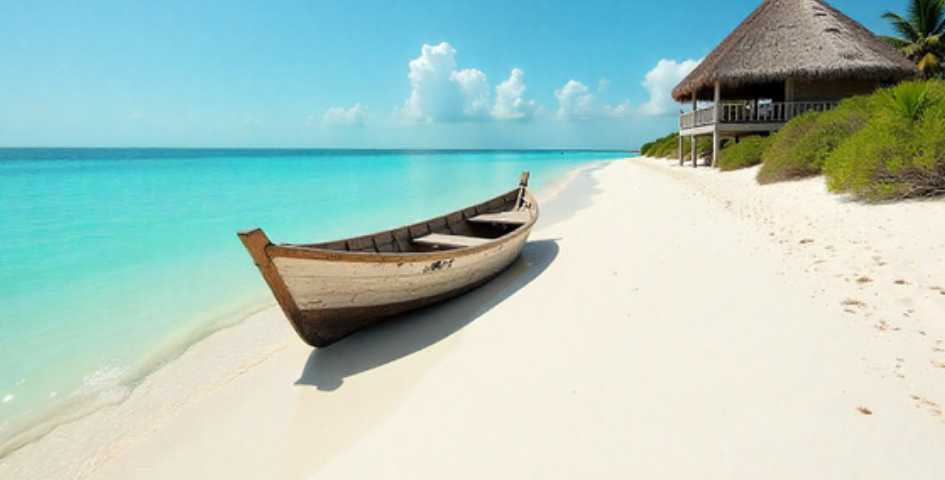
While most travelers flock to overcrowded Caribbean hotspots like Aruba or the Dominican Republic, Venezuela’s coastline remains one of the last truly untouched beach frontiers in the region. Stretching along the northern edge of South America, this hidden slice of the Caribbean offers something increasingly rare in modern travel: raw, unfiltered beauty. Think powdery white sand, glassy turquoise waters, and coral reefs teeming with marine life—often with barely another traveler in sight.
In places likeLos Roques, an archipelago of more than 300 islands and cays, the experience feels worlds away from mass tourism, with protected ecosystems and quiet, unspoiled beaches defining the landscape . Unlike heavily commercialized destinations, development here has remained limited, allowing nature to take center stage.
In 2026, adventurous travelers are beginning to rediscover this hidden paradise—drawn not only by its breathtaking scenery but also by the rare opportunity to experience the Caribbean before large-scale tourism inevitably returns. For those willing to go off the beaten path, Venezuela offers a fleeting glimpse of what the Caribbean once was: wild, serene, and beautifully untouched.

Why Venezuela’s Beaches Still Feel Untouched
Unlike many Caribbean hotspots, Venezuela’s tourism industry has faced years of decline due to political and economic instability. The result? Vast stretches of coastline that remain remarkably unspoiled.
Destinations like Los Roques National Park stand out as some of the most pristine marine environments in the region, with over 300 islands, coral reefs, and powdery white sand beaches largely untouched by large-scale development. Here, you won’t find mega-resorts or cruise ship crowds—just small eco-lodges, local fishing boats, and miles of turquoise water.
Top Untouched Beaches to Explore
1. Los Roques Archipelago
Often described as Venezuela’s crown jewel, the Los Roques Archipelago is one of the most spectacular and well-preserved marine ecosystems in the Caribbean. Located about 160 km off the mainland, this national park is made up of more than 300 cays, islands, and sandbanks surrounding a shallow lagoon, all protected by extensive coral reef systems.The archipelago is also known for its remote, postcard-perfect sandbars such as Cayo de Agua and Crasquí, where stretches of powdery white sand seem to float in the middle of the sea. Many of these cays remain completely uninhabited, offering a rare sense of isolation and tranquility that is increasingly hard to find across the Caribbean.
2. Morrocoy National Park
Located along Venezuela’s northwestern coast, the Morrocoy National Park is one of the country’s most accessible Caribbean beach destinations, making it especially popular for both local and international travelers. Just a few hours from major cities, Morrocoy offers a striking mix of mainland beaches and a network of small offshore islands known as cayos, each surrounded by calm, shallow waters and soft white sand.These protected waters create ideal conditions for swimming, snorkeling, and family-friendly beach outings. Beneath the surface, visitors can explore seagrass beds and coral patches that support a wide range of marine life, including colorful fish, starfish, and occasional sea turtles. The park is also home to extensive mangrove forests, which play a critical ecological role as breeding grounds for marine species and as natural barriers that protect the coastline from erosion
3. Isla de Margarita
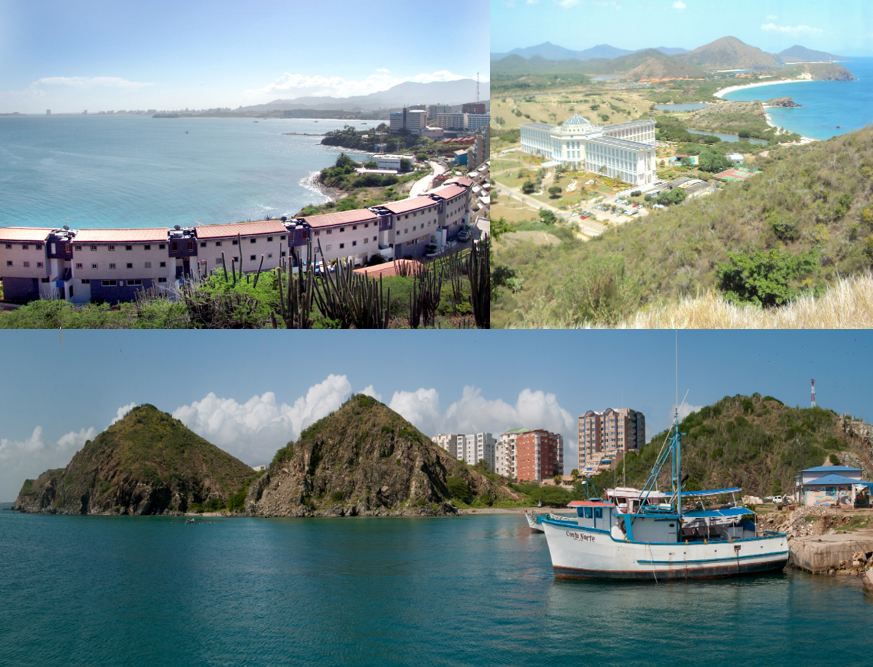
Known as the “Pearl of the Caribbean,” Isla de Margarita is Venezuela’s most famous island destination, offering a dynamic blend of developed resort areas and quieter, lesser-explore. Located off the country’s northeastern coast, the island has long been a hub for tourism, thanks to its consistent sunshine, wide sandy beaches, and relatively accessible infrastructure. Margarita’s coastline is diverse. On one hand, you’ll find well-developed beach zones such as Playa El Agua and Playa Parguito, where visitors can enjoy restaurants, water sports, and a lively atmosphere. These areas cater to travelers looking for convenience and social energy, with a range of accommodations and beachfront services readily available.
Travel Reality, Timing, and Responsibility
Traveling to Venezuela in 2026 offers extraordinary rewards—but it also requires careful planning and awareness. While the country’s Caribbean coastline remains one of the most untouched in the region, it is not a conventional, plug-and-play destination. Many governments still advise caution, and infrastructure—especially in remote areas like offshore islands—can be limited or inconsistent.
For this reason, preparation is essential. Travelers are strongly advised to book through trusted local operators who understand on-the-ground logistics, particularly for destinations such as Los Roques that require coordinated flights and boat transfers. Using authorized transport and experienced guides adds an extra layer of safety and reliability, while staying updated on current travel advisories helps mitigate potential risks. Planning logistics well in advance—especially domestic flights and accommodations—is not optional; it’s critical to a smooth experience.
At the same time, Venezuela is entering a unique transitional moment. Tourism interest is gradually resurging, driven by improved air access and renewed global curiosity about one of South America’s most naturally diverse countries. However, this renewed attention comes with consequences. In places like Isla de Margarita and Morrocoy National Park, rising visitor numbers are already contributing to overcrowding, infrastructure strain, and environmental degradation. Coral reefs, mangroves, and coastal ecosystems are increasingly under pressure from unregulated tourism growth.
With that opportunity comes responsibility. Sustainable travel is not just a recommendation here—it’s a necessity. Visitors play a direct role in preserving these fragile environments by minimizing waste, respecting marine ecosystems, and avoiding harmful practices such as stepping on coral reefs or disturbing wildlife. Supporting eco-friendly accommodations and choosing small, community-based tour operators also helps ensure that tourism benefits local populations without overwhelming natural resources.
Ultimately, Venezuela’s beaches are not just destinations to visit—they are environments to protect. Traveling responsibly today helps ensure that their beauty, biodiversity, and authenticity remain intact for future generations, rather than becoming another cautionary tale of paradise lost to mass tourism.