
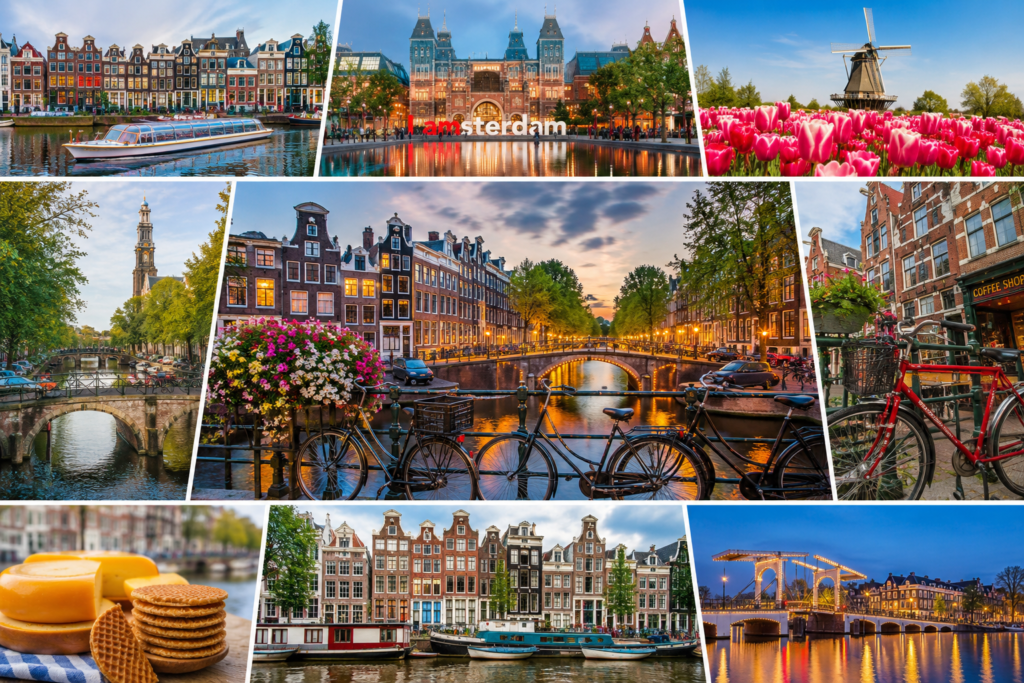
Ultimate Amsterdam Travel Guide for 2026
Amsterdam in 2026 presents a different logistical reality than a decade ago. The municipality has enacted strict policies restricting short-term rentals and redirecting cruise ship traffic from the city center. These legislative shifts create a quieter, highly localized experience for visitors who plan correctly. The focus has shifted from high-volume mass tourism to sustainable cultural engagement. Preparing for a trip now requires early booking and a clear strategy for daily movement across the canals.
Arrivals at Schiphol Airport face updated flight caps aimed at reducing noise pollution and emissions. Travelers must secure tickets well in advance, expecting higher base fares. Connecting through rail hubs in neighboring countries offers a reliable secondary option. High-speed Eurostar and ICE trains deliver passengers directly to Centraal Station, bypassing airport congestion entirely. Applying proven European travel strategies guarantees your entry into the Netherlands remains smooth and predictable.
City Transit And Daily Logistics
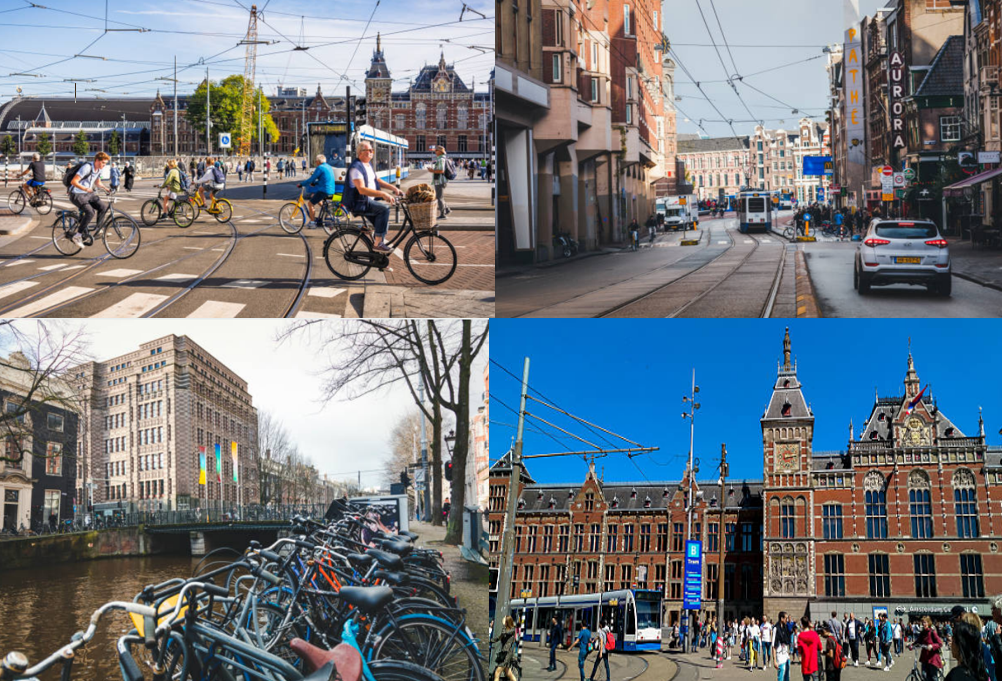
The primary shift in local transit involves the absolute dominance of pedestrian and cycling infrastructure. Taxis and ride-shares face strict emission zones, making them impractical for short trips within the A10 ring road. Visitors rely heavily on the GVB tram and metro network. Purchasing a multi-day pass via the GVB app eliminates the need for physical cards. Scanning a smartphone at the terminal speeds up boarding times during morning commutes.
Neighborhoods Outside The Center
Staying inside the Canal Ring means paying a premium for proximity. Savvy visitors book accommodations in peripheral districts. De Pijp offers dense concentrations of local cafes and independent retail spaces without the heavy foot traffic of Dam Square. Amsterdam Noord, accessible via free commuter ferries behind Centraal Station, features industrial architecture converted into modern galleries and dining venues. This district reflects the current architectural trajectory of the city.
Museum Access And Ticketing
Walk-up ticketing at major institutions no longer exists. The Rijksmuseum, Van Gogh Museum, and Anne Frank House operate entirely on timed-entry digital systems. Inventory for peak spring and summer months routinely sells out four to six weeks in advance. Travelers must secure entry slots immediately after confirming flight reservations. Consulting the official I amsterdam portal provides real-time updates on museum hours and temporary exhibitions.
| Travel Season | Months | Average Hotel Rate | Crowd Density |
| Peak | April – August | €250 – €400+ | Very High |
| Shoulder | September – October | €180 – €280 | Moderate |
| Low | November – February | €120 – €200 | Low |
Dining And Culinary Shifts
Dutch gastronomy continues moving away from heavy traditional fare, favoring plant-based and locally sourced menus. High-end restaurants mandate reservations weeks ahead. Casual dining revolves around neighborhood eetcafés serving updated takes on regional staples. Visitors find the most authentic meals by exploring side streets in the Jordaan or Oud-West districts, bypassing the heavily commercialized Leidseplein area. A focused approach to meal planning prevents relying on overpriced tourist traps.