
Taking Off On Empty: JetBlue And Frontier Stocks Soar In The Wake Of Spirit’s Collapse
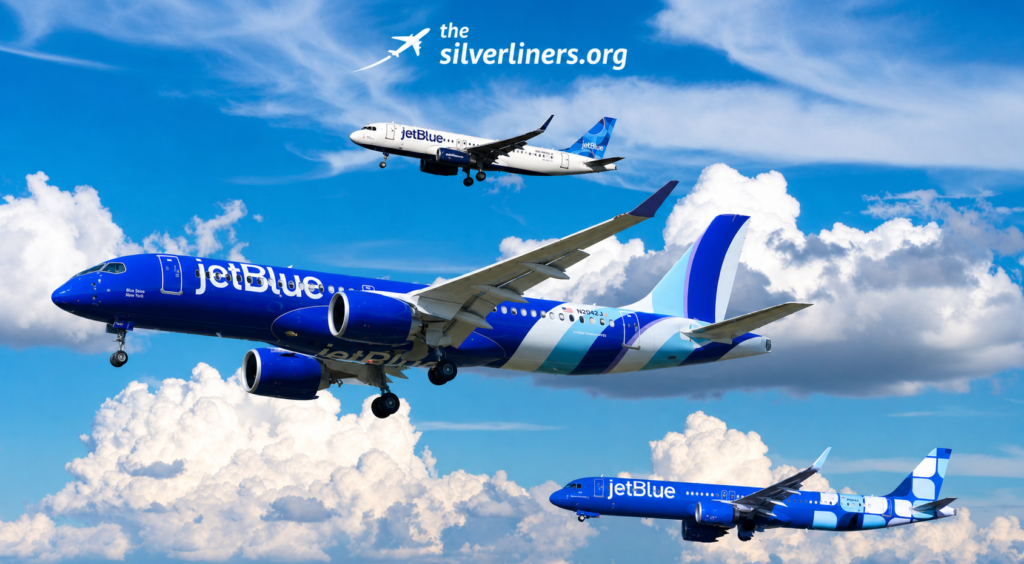
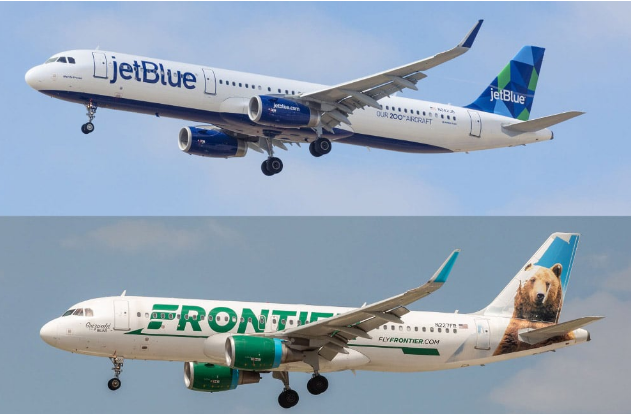
The permanent grounding of Spirit Airlines erased a massive block of seating capacity from the domestic market. Shares for rival budget carriers spiked immediately in response to the news. JetBlue Airways saw its stock jump by 10 percent right before the official liquidation announcement on May 2, 2026.Frontier Group Holdings registered a 4 percent gain during the same trading session. Wall Street analysts attribute this sudden buying activity to the basic math of supply and demand. The removal of a major ultra-low-cost competitor automatically improves the revenue outlook for airlines fighting over the same budget-conscious travelers.
Consolidating Capacity In The Budget Sector
Spirit accounted for thousands of daily flights and millions of available seat miles. The carrier had roughly 4,119 domestic flights scheduled for early May, translating to over 800,000 active seats. That inventory vanished overnight. Competing airlines are scrambling to fill the void, adjusting their summer schedules to capture the overflow of displaced passengers. Frontier faces the heaviest route overlap with the now-defunct airline, making it the most direct beneficiary of the reduced competition.
Pricing Power Returns To The Airlines
Discount operators suffered from severe overcapacity throughout the last two years. Too many seats chasing too few passengers forced carriers into brutal fare wars. A single airline failing fixes that imbalance almost instantly. Yields—the amount of revenue an airline makes per passenger per mile—will improve as remaining operators gain pricing leverage. Surviving carriers no longer have to match the rock-bottom base fares that historically stimulated demand.
Industry observers expect a gradual shift in how budget airlines market their products. The aviation sector is currently dealing with spiking jet fuel prices linked to Middle Eastern conflicts. Higher operating expenses require airlines to charge more just to break even. The current environment favors operators capable of passing those costs onto consumers without losing market share. Tracking internal airline market capacity shifts provides clear indicators of where base ticket prices will settle by the third quarter.
The Future Of Industry Mergers And Alliances
The regulatory environment played a massive role in shaping this outcome. The Justice Department blocked JetBlue’s attempt to buy Spirit in 2024 on antitrust grounds. The government argued the merger would harm consumers by eliminating a discount option. The ultimate result led to Spirit liquidating entirely, which ironically accomplished the exact capacity reduction the government wanted to avoid. This collapse might force regulators to reconsider their stance on aviation industry consolidation moving forward. Airlines need financial stability to survive external shocks like sudden spikes in fuel costs. Investors are betting that the surviving budget carriers will aggressively defend their newly acquired market share as the summer travel season begins.