

Taiwan occupies a unique geopolitical and cultural space in East Asia, operating as a high-tech democratic powerhouse while simultaneously preserving ancient traditions and remarkably diverse ecological systems. For the uninitiated traveler, the island—historically dubbed Formosa by Portuguese explorers—offers a complex infrastructure that seamlessly bridges the gap between hyper-modern metropolitan centers and rugged, untamed landscapes. Bypassing the superficial tourist trails reveals a destination characterized by efficient transit logistics, deep historical narratives, and a culinary landscape shaped by centuries of migration and indigenous heritage. Understanding the geographic and cultural flow of the island is essential for maximizing a premier expedition.
Taipei: The Intersection of Antiquity and Urban Modernity
Serving as the political and economic nucleus of the island, Taipei is an architectural timeline of Taiwan’s rapid development. The skyline is dominated by the Taipei 101 skyscraper, a marvel of modern engineering that utilizes a massive tuned mass damper to withstand the region’s frequent seismic and meteorological events. Yet, beneath the shadows of international commerce, the city remains deeply rooted in traditional practices.
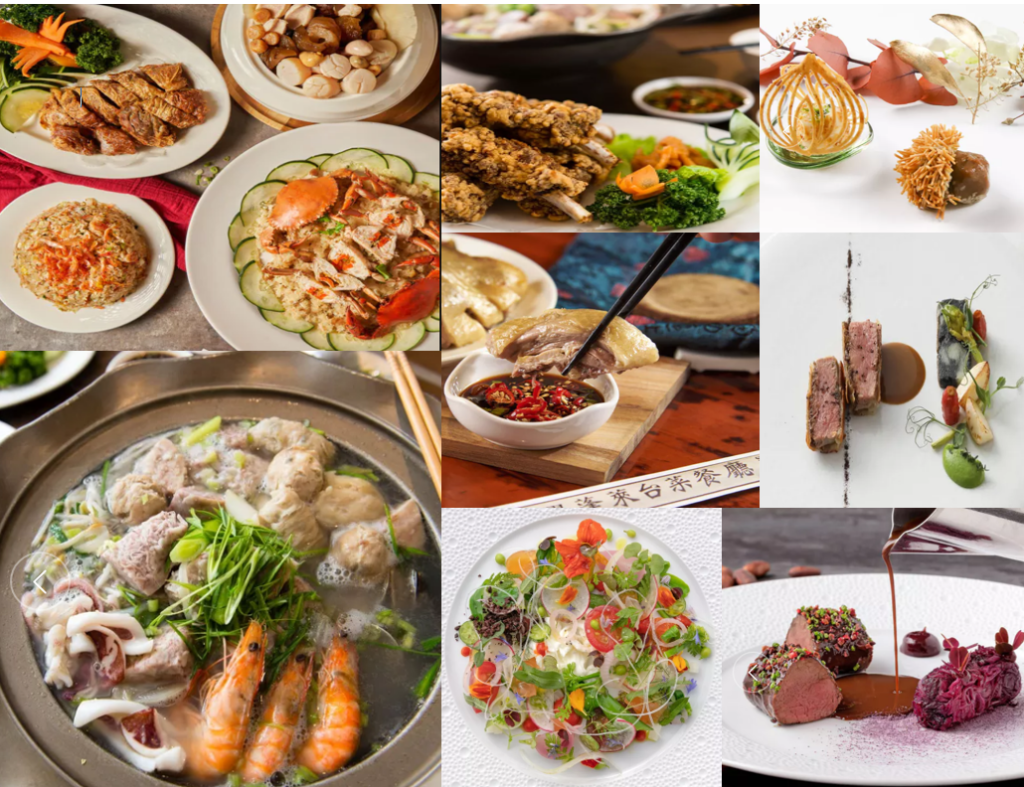
Historically significant sites like the Chiang Kai-shek Memorial Hall offer a stark look into the island’s martial law era and subsequent transition into a vibrant democracy. Further into the urban fabric, the Longshan Temple, originally constructed in the eighteenth century during the Qing dynasty, serves as a living anthropological exhibit of syncretic folk religion. The city’s famous night markets, particularly Shilin and Raohe, are not merely tourist traps but vital economic micro-hubs. Here, travelers can analyze the island’s complex culinary evolution, sampling Michelin-recognized street food that blends indigenous ingredients with coastal Chinese and Japanese colonial influences.
Jiufen: Post-Mining Economics and Cinematic Aesthetics
Clinging to the precipitous cliffs of the northeastern coast, the village of Jiufen provides a fascinating case study in economic reinvention. Originally an isolated hamlet, Jiufen experienced a massive population boom during the Japanese occupation in the late nineteenth century due to the discovery of gold. When the mining industry collapsed post-World War II, the town faced severe economic depression.
However, Jiufen successfully pivoted to cultural tourism in the late twentieth century, leveraging its preserved Japanese-era architecture, narrow winding alleys, and spectacular oceanic vistas. Today, the teahouses and lantern-lit stone staircases evoke a powerful sense of nostalgia. While popular culture frequently links the town’s aesthetic to renowned global animation films, its true value lies in its authentic preservation of Taiwan’s complex colonial and industrial history. Visitors can navigate the historic commercial lanes to sample regional specialties like taro pastries and coastal seafood, experiencing firsthand the successful revitalization of a forgotten mining hub.
Taroko Gorge: The Geological Drama of the Eastern Seaboard
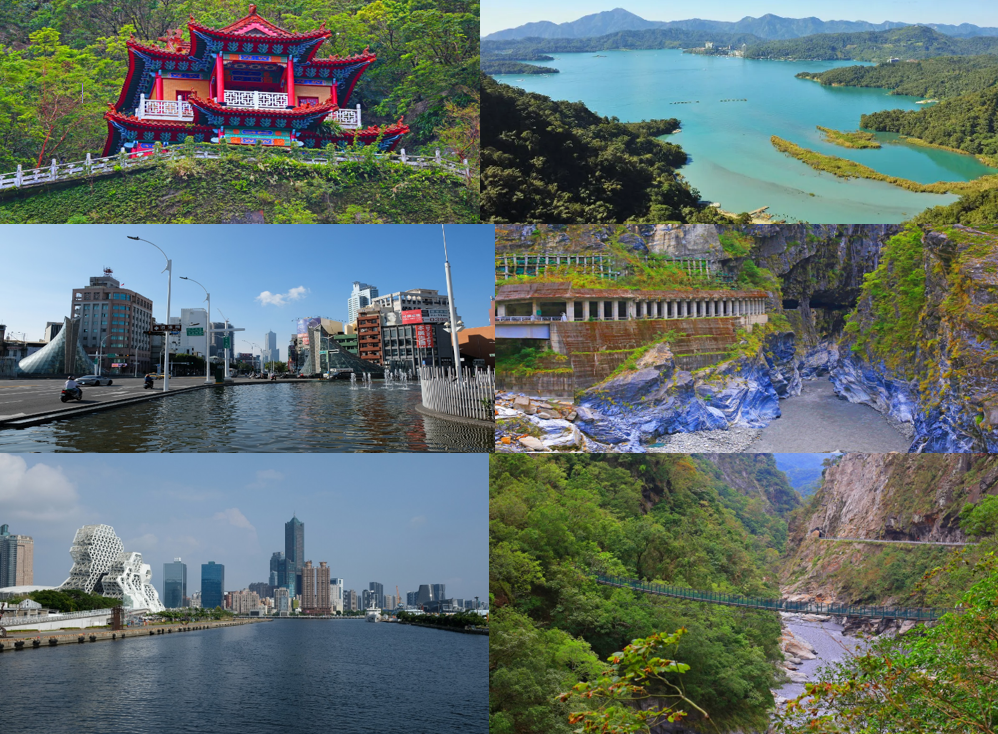
The eastern seaboard of Taiwan is defined by tectonic volatility, resulting from the ongoing collision between the Philippine Sea Plate and the Eurasian Plate. The most spectacular byproduct of this geological friction is Taroko Gorge. Carved over millennia by the corrosive force of the Liwu River, the gorge features near-vertical marble and schist cliffs that plunge into deep, turquoise waters.
Navigating Taroko requires an appreciation for both its natural majesty and its inherent environmental volatility. The topography is peppered with feats of engineering, such as the Central Cross-Island Highway, which cuts directly through the mountain rock. Due to the area’s active seismic nature, the landscape is constantly shifting, requiring ongoing infrastructure maintenance. Explorers venturing into this region are treated to unparalleled views of dramatic ravines and lush alpine forests, providing a stark contrast to the heavily urbanized western plains.
Sun Moon Lake: Hydrology and Indigenous Heritage
Situated in the mountainous geographic center of the island, Sun Moon Lake serves as Taiwan’s largest body of freshwater and a critical component of its hydroelectric infrastructure. The lake’s unique nomenclature derives from its shape; the eastern portion resembles the sun, while the western crescent mirrors the moon.
Beyond its hydrological importance, the lake basin is the ancestral territory of the Thao people, one of Taiwan’s officially recognized indigenous groups. The integration of Thao cultural preservation with modern eco-tourism creates a rich, multifaceted visitor experience. The perimeter of the lake features globally recognized cycling infrastructure, allowing travelers to traverse the misty, forested shores with ease. This region exemplifies Taiwan’s commitment to sustainable tourism, balancing ecological conservation with public accessibility. For travelers looking to expand their itineraries across the continent with similar mindfulness, consulting comprehensive Asian travel destination guides can provide valuable logistical frameworks.
Kaohsiung: Industrial Transformation in the Global South
Moving toward the tropical southern coast, Kaohsiung presents a masterclass in urban regeneration. Once defined exclusively by its massive deep-water port and heavy manufacturing sector, the city has strategically repositioned itself as a cultural and artistic vanguard.
This transformation is most evident in the Pier-2 Art Center, where abandoned maritime warehouses have been repurposed into avant-garde galleries, performance spaces, and creative incubators. Traditional landmarks, such as the Dragon and Tiger Pagodas situated on Lotus Pond, provide a brilliant juxtaposition against the city’s modern transit architecture, including the kaleidoscopic Formosa Boulevard metro station. Kaohsiung’s wide boulevards and sun-drenched climate offer a distinctly relaxed coastal atmosphere compared to the dense, fast-paced nature of the northern capital.
Regional Microclimates: Alishan and Kenting
To fully comprehend Taiwan’s environmental diversity, one must analyze the stark contrast between its high-altitude and coastal zones.
| Region | Climatic Zone | Defining Characteristics | Economic/Tourism Driver |
| Alishan | High-Altitude Alpine | Cool temperatures, frequent fog, ancient cypress forests | Historic narrow-gauge logging railways, heritage tea cultivation |
| Kenting | Tropical Maritime | High humidity, year-round warmth, monsoon influences | Coral reef biodiversity, water sports, coastal conservation |
The Alishan National Scenic Area, accessible via a historic logging railway built during the Japanese era, is famous for its “sea of clouds” phenomenon and ancient red cypress trees. It represents the island’s rich silvicultural history and remains a premier destination for high-mountain oolong tea production. Conversely, Kenting National Park anchors the extreme southern tip of the island. Driven by the warm Kuroshio Current, Kenting features vibrant coral ecosystems, white sand beaches, and a distinctly tropical biosphere, proving that Taiwan’s geographic footprint punches far above its actual square mileage.