

Rising from the mudflats where Normandy meets Brittany, Mont Saint-Michel functions as a masterclass in medieval engineering. This granite outcrop topped by a massive Gothic abbey defies gravity and geography. Millions of visitors cross the bridge every year, drawn to the severe vertical lines and the aggressive tides that surround the island twice a day. Analyzing the architectural hierarchy, the military defenses, and the modern crowd management logistics provides a clear framework for visiting this heavily trafficked historical site.
Geographic Positioning And Tidal Engineering
The physical geography of the bay dictates the entire operational reality of the site. The tides here rank among the highest in Europe, creating a maximum variance of nearly fifteen meters between high and low water. The ocean recedes for miles, exposing a vast expanse of dangerous mudflats and shifting quicksand. Hours later, the water rushes back at extreme speeds, historically isolating the island from the mainland.
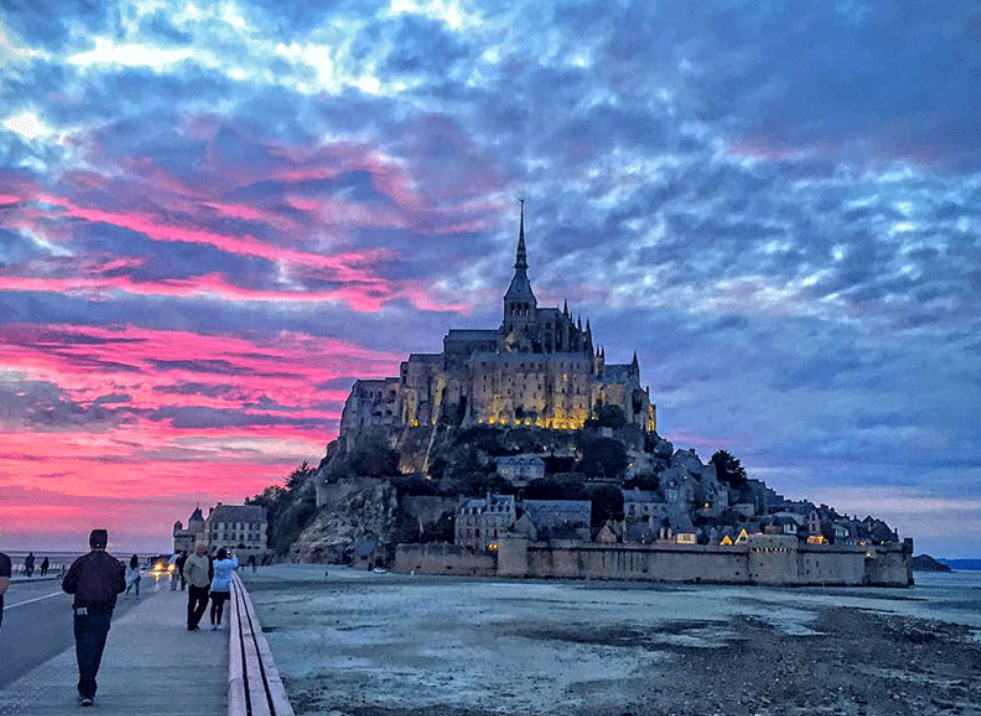
For decades, a solid land bridge connected the mount to the coast, disrupting the natural flow of the water. This caused heavy silt buildup, threatening to attach the island permanently to the mainland. The French government executed a massive hydrological engineering project, demolishing the solid causeway and replacing it with a suspended bridge on thin pillars. This modern infrastructure allows the ocean currents to wash freely around the rock, restoring the insular nature of the site during high spring tides. Visitors now leave their vehicles in staging lots over two kilometers away, relying on specialized shuttle buses or walking the pedestrian bridge to reach the main gate.
The Structural Evolution Of The Abbey
The architecture of Mont Saint-Michel reflects a strict social hierarchy baked directly into the stone. Builders utilized the steep gradient of the rock to separate the classes. The peasant village occupies the lowest level, clinging to the bottom walls. The military garrison and the great halls for visiting nobility sit in the middle tiers. The abbey itself crowns the peak, placing God and the monastic order closer to the sky. A gilded copper statue of Saint Michael the Archangel stands at the absolute summit of the spire, acting as a lightning rod high above the channel.
Constructing a massive stone cathedral on a narrow granite spire required exceptional load-bearing solutions. The core of the abbey relies on heavy Romanesque crypts acting as foundational platforms. These thick, dark lower spaces support the weight of the soaring Gothic choir above. The most prominent architectural achievement is La Merveille, translating to “The Marvel.” This three-story Gothic masterpiece clings to the sheer northern face of the rock. It houses the monks’ refectory, the cloister, and the almonry. The builders engineered the cloister with staggered, thin limestone columns, reducing the physical weight pressing down on the lower vaulted ceilings while allowing maximum natural light to enter the space.
Military Defenses And The Hundred Years’ War
Mont Saint-Michel operated as a highly effective military fortress, not just a religious retreat. During the Hundred Years’ War, English forces controlled nearly all of Normandy, yet they repeatedly failed to capture this specific rock. The physical isolation provided by the tides acted as the primary defense mechanism. Heavy artillery sank into the surrounding mud, and infantry could only attack during narrow low-tide windows.
The stone ramparts wrapping around the southern and eastern base of the island feature defensive towers and fortified gatehouses. The King’s Gate requires entrants to pass under a heavy wooden portcullis and through a narrow choke point. These structural bottlenecks neutralized any numerical advantage held by an attacking army. The French monarchy heavily funded these fortifications, turning the abbey into a symbol of national resistance. The defensive infrastructure remains entirely intact today, allowing visitors to walk the full length of the battlements and observe the surrounding bay from the exact vantage points used by medieval archers.
The Prison Era And Architectural Restoration
Following the French Revolution, the religious orders were disbanded. The remote, inescapable nature of the island made it an ideal location for a high-security prison. From 1793 until 1863, the French state utilized the abbey to house political dissidents and high-profile criminals. The vast halls that once held monastic libraries were converted into crowded cell blocks. The inmates operated a massive treadmill, walking inside a giant wooden wheel to hoist supply sledges up the steep exterior stone ramp.
This grim period caused severe structural degradation across the island. Influential cultural figures, including the writer Victor Hugo, eventually launched a massive public campaign to close the prison and save the architectural heritage. The government shut down the penitentiary and handed the site over to the Historic Monuments department. This transition triggered a century-long restoration effort that rebuilt the collapsed roofs, stabilized the crypts, and cleared the medieval corridors of the prison cells.
Managing Mass Tourism And Operational Logistics
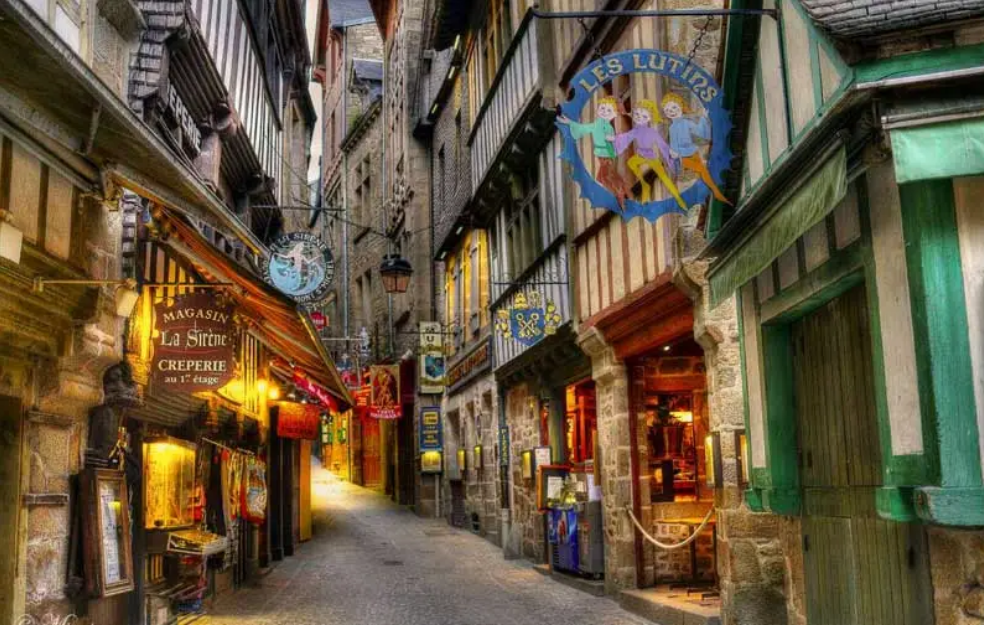
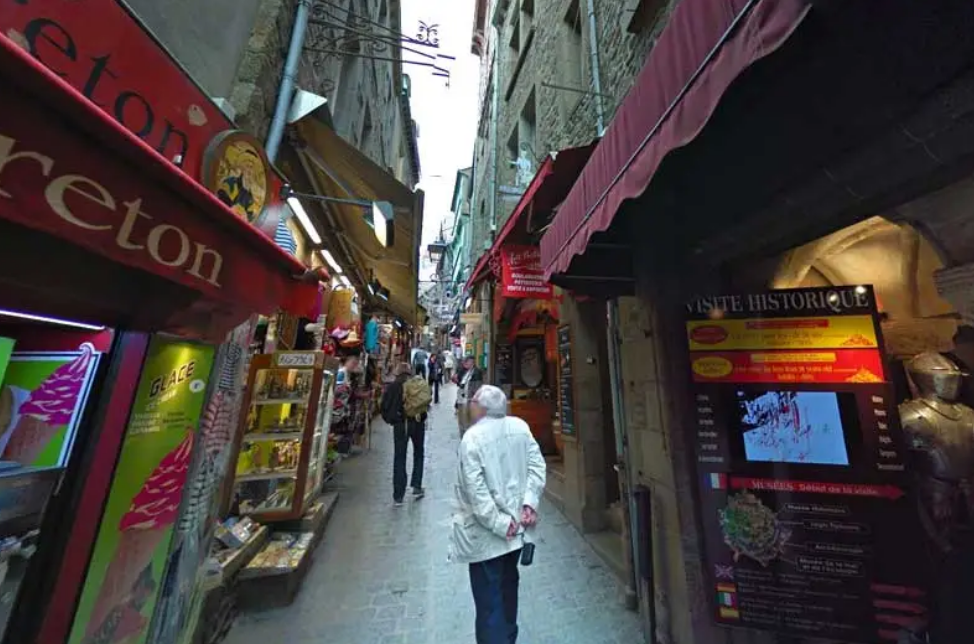
The sheer volume of daily visitors presents a massive logistical challenge. The single main street, the Grande Rue, measures only a few meters wide. During the peak summer months, this steep cobblestone path completely clogs with international tour groups, creating severe pedestrian bottlenecks. Travelers mapping out their European travel itineraries must treat the timing of their visit as the most critical variable.
Arriving exactly at sunrise offers the clearest path through the village and up to the abbey gates. The majority of day-trippers arrive on large buses between 10:00 AM and 4:00 PM. The most effective strategy involves booking a room at one of the few small hotels located directly on the island. Once the final shuttle buses leave for the mainland in the late afternoon, the crowds vanish completely. The narrow streets return to silence, and the exterior lighting illuminates the abbey against the night sky. This overnight strategy justifies the higher room rates by providing exclusive access to the historic environment without the aggressive daytime friction.
Culinary Economics And Local Sourcing
Food operations on the island run on a high-volume, premium-priced model. The most famous venue, La Mère Poulard, operates right near the main entrance. The kitchen staff famously whips eggs in copper bowls with a distinct rhythmic beat, cooking massive, soufflé-style omelets over an open wood fire. This specific dish carries a legendary reputation and a corresponding high price tag, functioning as a primary tourist draw for over a century.
Beyond the island walls, the surrounding salt marshes support a highly specific agricultural product. Local farmers raise sheep directly on these coastal flats. The grass absorbs heavy amounts of iodine and salt from the ocean water. This diet flavors the meat naturally, creating agneau de pré-salé, or salt meadow lamb. Restaurants in the mainland towns and on the island feature this regional specialty heavily on their menus. The strict preservation of both the built environment and the surrounding tidal ecosystem secured the site’s permanent protection status, as detailed heavily within the UNESCO World Heritage Centre registry.
The physical reality of Mont Saint-Michel matches its immense historical reputation. The integration of high-level Gothic architecture with extreme maritime conditions resulted in a structure that survived centuries of warfare and shifting political power. Visitors willing to navigate the harsh tidal schedules and time their arrivals correctly secure direct access to one of the most significant engineering achievements in Western Europe.